


 Bank of Japan Eyes April Rate Hike Despite Inflation Dip, ING Says
  Gold Prices Surge on U.S.-Iran Ceasefire Reports
  U.S. Futures Slide as Iran Denies Nuclear Talks with Washington
  Japan Eyes Oil Futures Intervention to Stabilize Yen Amid Middle East Crisis
  Australia's Inflation Eases in February but Core Pressures Persist
  U.S. Dollar Weakens as Trump Signals Iran Deal Possibility
  Oil Prices Rebound as Iran Denies U.S. Talks, Middle East Tensions Persist
  Asian Stocks Gain Amid Iran Conflict Uncertainty
  Australia-EU Free Trade Deal Signed After Years of Negotiations
  Trump Tariffs Show Minimal Economic Impact but Boost Federal Revenue, Study Finds
  Middle East War Rattles Global Markets as Oil Tops $100 and Dollar Surges
  Currency Markets Show Caution Amid U.S.-Iran Negotiations
  WTO Reform Talks Begin in Cameroon Amid Global Trade Tensions
  Oil Prices Plunge Over 6% as Middle East Ceasefire Hopes Ease Supply Fears


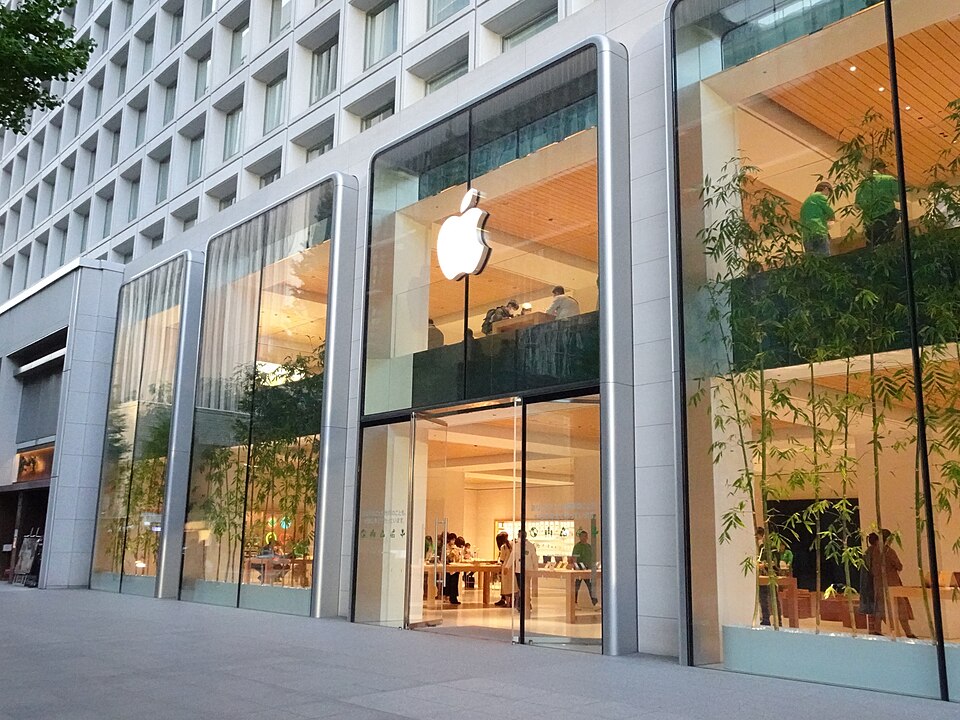
U.S. tech and auto stocks rallied after President Donald Trump removed smartphones and other electronics from the China tariff list, easing investor concerns. Apple (NASDAQ:AAPL) jumped 2.2%, recovering from a 9% drop over two weeks, while General Motors (NYSE:GM) and Ford (NYSE:F) climbed 3.5% and 4.1%, respectively. The move signals a partial reversal in Trump’s trade policy, which had initially threatened to impose 25% tariffs on key imports, sparking a broader market selloff.
Despite the rebound, the S&P 500 remains down roughly 8% year-to-date, as trade policy uncertainty continues to shake investor confidence. Trump also hinted at possible exemptions on auto tariffs from Canada and Mexico, citing the need to give automakers time to adjust supply chains built under NAFTA.
The White House said it’s investigating whether imports of semiconductors and pharmaceuticals pose national security risks, potentially laying the groundwork for future tariffs. The exemptions now cover 20 product categories, including laptops, memory chips, and flat panel displays—reducing pressure on companies like HP (NYSE:HPQ), Dell (NYSE:DELL), and chip suppliers.
BlackRock (NYSE:BLK) estimates average import taxes have settled around 20% after the rollback, but cautions that prolonged uncertainty could stall business investment and heighten recession risks. LVMH reported weaker U.S. sales, citing manufacturing disruptions despite some production capacity in the U.S.
Nvidia (NASDAQ:NVDA) said it would increase U.S. investment in AI infrastructure, a move Trump praised as a result of tariff pressure. In Asia, key Apple suppliers like Foxconn and Quanta saw shares rise over 3% as fears of steep electronics tariffs subsided.
While some relief has arrived, analysts warn that trade policy volatility continues to cloud long-term corporate planning.













