


 Dollar Steadies Ahead of ECB and BoE Decisions as Markets Turn Risk-Off
  TrumpRx.gov Highlights GLP-1 Drug Discounts but Offers Limited Savings for Most Americans
  Trump Lifts 25% Tariff on Indian Goods in Strategic U.S.–India Trade and Energy Deal
  Japan Election 2026: Sanae Takaichi Poised for Landslide Win Despite Record Snowfall
  Thailand Inflation Remains Negative for 10th Straight Month in January
  Dow Hits 50,000 as U.S. Stocks Stage Strong Rebound Amid AI Volatility
  South Africa Eyes ECB Repo Lines as Inflation Eases and Rate Cuts Loom
  Norway Opens Corruption Probe Into Former PM and Nobel Committee Chair Thorbjoern Jagland Over Epstein Links
  Iran–U.S. Nuclear Talks in Oman Face Major Hurdles Amid Rising Regional Tensions
  Gold Prices Slide Below $5,000 as Strong Dollar and Central Bank Outlook Weigh on Metals
  India–U.S. Interim Trade Pact Cuts Auto Tariffs but Leaves Tesla Out
  Vietnam’s Trade Surplus With US Jumps as Exports Surge and China Imports Hit Record
  South Korea Assures U.S. on Trade Deal Commitments Amid Tariff Concerns
  Nighttime Shelling Causes Serious Damage in Russia’s Belgorod Region Near Ukraine Border
  Trump Endorses Japan’s Sanae Takaichi Ahead of Crucial Election Amid Market and China Tensions
  Dollar Near Two-Week High as Stock Rout, AI Concerns and Global Events Drive Market Volatility
  Trump Signs Executive Order Threatening 25% Tariffs on Countries Trading With Iran


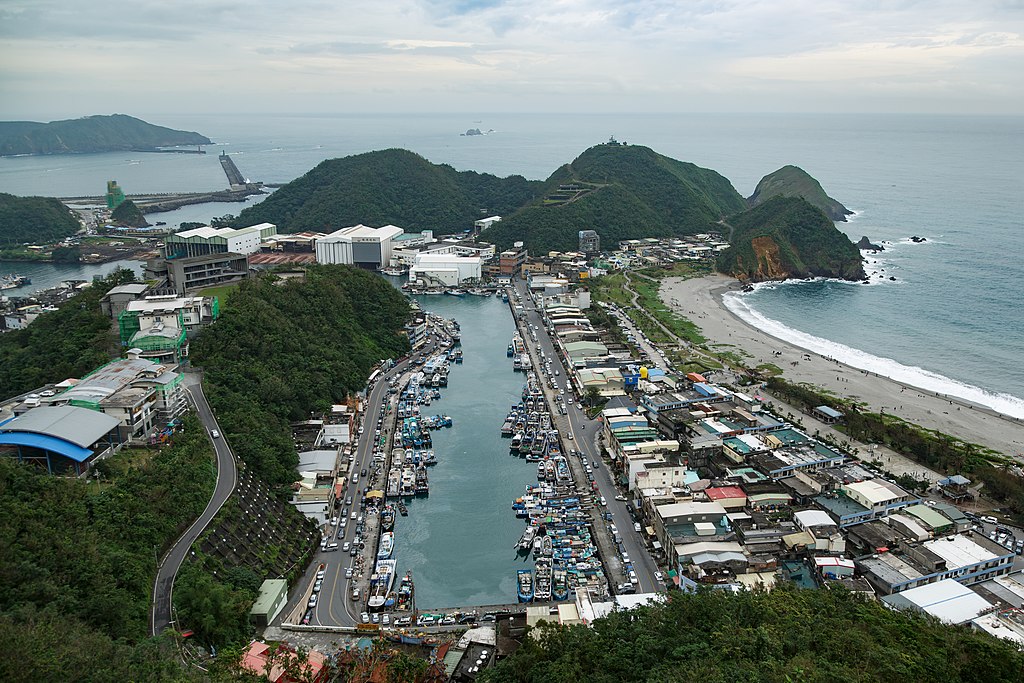
Senior Taiwanese officials are traveling to Washington this week to push forward negotiations with the United States aimed at reducing U.S. tariffs on Taiwanese exports and potentially finalizing a new investment agreement, according to people familiar with the matter. The discussions come as Taiwan looks to strengthen its economic ties with Washington amid ongoing geopolitical tensions in the region.
Taiwan’s Vice Premier Cheng Li-chiun and Trade Envoy Yang Jen-ni are expected to arrive in Washington by Thursday, where they will meet with officials from the Trump administration. Sources told Reuters that an announcement related to the talks could come by the end of the month, signaling potential progress on long-standing trade issues between the two sides.
Taiwan has been seeking to lower tariffs on its exports to the United States from 20% to 15%, a goal the government publicly outlined in December. Earlier this week, Taipei said it had reached a “broad consensus” with Washington on the framework of the negotiations and was discussing a timetable for a final meeting to conclude the talks. However, Taiwanese officials declined to comment specifically on the Washington meetings.
The White House did not respond to requests for comment, and it remains unclear which U.S. officials are participating in the discussions. Bloomberg News first reported the meetings.
As a global leader in semiconductor manufacturing, Taiwan has emphasized its strategic importance in the tech supply chain. Officials have said their proposal to the U.S. includes assistance in replicating Taiwan’s successful model of building advanced technology clusters around dedicated science parks. As part of the potential deal, Taiwan Semiconductor Manufacturing Company (TSMC) is expected to commit to building additional facilities in Arizona, according to sources familiar with the talks.
TSMC has so far declined to confirm whether it will expand its U.S. investment beyond the $165 billion already pledged. Notably, Taiwanese semiconductor exports are currently not subject to U.S. tariffs.
The talks also carry geopolitical significance. China claims Taiwan as its territory and has not ruled out the use of force, a stance firmly rejected by Taipei. While the United States does not maintain formal diplomatic relations with Taiwan, it remains the island’s most important international supporter and is legally obligated to help provide for its defense, making trade negotiations closely watched in the broader context of U.S.-China relations.













