


 Bank of Japan Unveils New Inflation Gauge to Support Case for Future Rate Hikes
  Maduro Faces Rare Narcoterrorism Charges in U.S. Court
  Asian Stocks Gain Amid Iran Conflict Uncertainty
  U.S. Oil Prices Slide as Middle East Ceasefire Talks Spark Market Optimism
  Russia Strikes Kharkiv and Izmail as Cross-Border Drone War Escalates
  Denmark Election 2025: Social Democrats Suffer Historic Losses Amid Migration and Cost-of-Living Tensions
  UK Consumer Confidence Weakens Amid Middle East Conflict and Rising Living Costs
  Jay Bhattacharya to Continue Leading CDC as White House Searches for Permanent Director
  Iran Demands Lebanon Be Part of Any Ceasefire Deal With Israel and the U.S.
  Trump Administration Opens Two New Investigations Into Harvard Over Discrimination and Antisemitism
  Denmark Election 2026: Frederiksen Eyes Third Term Amid Trump-Greenland Tensions
  US-Iran Ceasefire Talks Underway: What You Need to Know
  Trump Seeks Quick End to U.S.-Iran Conflict Amid Ongoing Middle East Tensions
  Suspicious Oil Market Trades Precede Trump's Iran Peace Post by 15 Minutes
  Iran-Israel Missile Strikes Continue Amid Mixed Signals on U.S.-Iran Diplomacy
  Japan Eyes Oil Futures Intervention to Stabilize Yen Amid Middle East Crisis
  Asian Currencies Stay Muted as Dollar Holds Firm Amid Iran Uncertainty


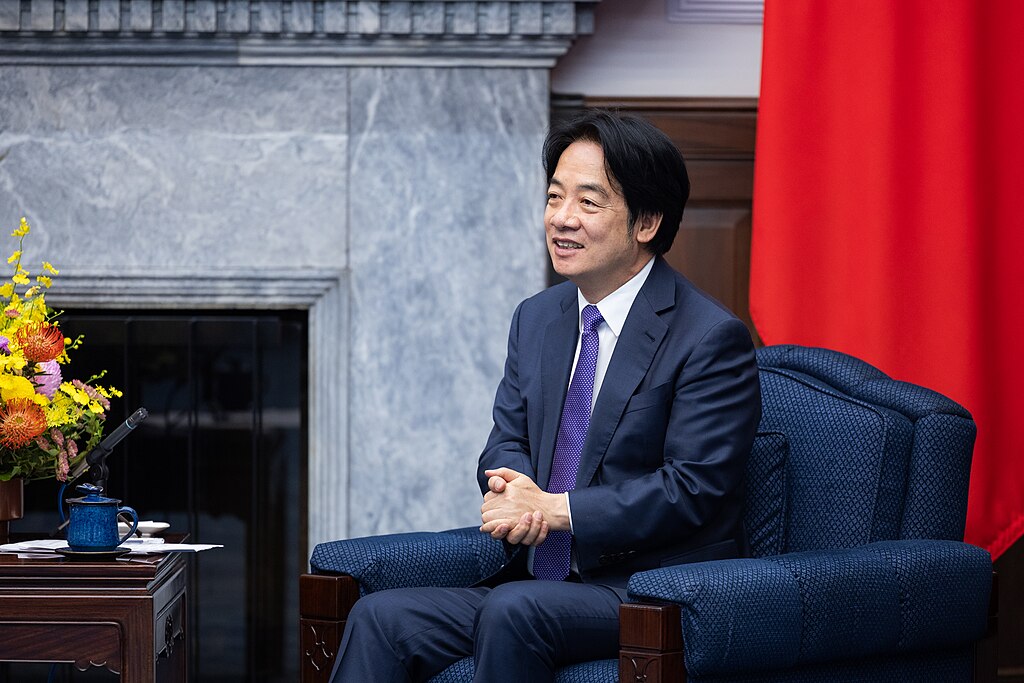
Taiwan President Lai Ching-te held an emergency meeting with senior officials Sunday night to address potential impacts of upcoming U.S. tariffs. The move follows remarks by Trump administration officials, including Treasury Secretary Scott Bessent, indicating a focus on countries with large trade surpluses with the U.S.—a group he referred to as the “Dirty 15.” Though not officially named, Taiwan, China, South Korea, and the European Union are believed to be included, based on U.S. Census Bureau data.
The tariffs are expected to be announced on April 2. President Lai met with Premier Cho Jung-tai and National Security Council Secretary-General Joseph Wu to evaluate different tariff scenarios, simulate economic impacts, and prepare contingency strategies. According to Lai's spokesperson Karen Kuo, the meeting aimed to safeguard Taiwan’s economic stability and support industries likely to be affected by the tariffs.
Taiwan’s trade surplus with the U.S. surged 83% last year, reaching a record $111.4 billion in exports, largely driven by demand for high-tech goods like semiconductors, a sector where Taiwan leads globally.
President Lai urged swift, strategic responses to minimize risks and protect national interests. The Taiwanese government emphasized readiness to assist vulnerable sectors and maintain financial stability amid escalating trade tensions.
Trump stated on Sunday that the new tariffs would apply broadly to all nations, not just the top surplus holders. In response to the looming announcement, Taiwan’s benchmark stock index dropped over 2% on Monday morning, reflecting investor concerns about potential economic fallout.
As trade tensions rise, Taiwan remains focused on navigating U.S. policy shifts while safeguarding its technology-driven economy and global trade position.













