


 Mexico's Electoral Reform Bill Fails in Congress as Coalition Fractures
  Iran-Israel War Sparks Global Oil Crisis as Tankers Burn in Gulf Waters
  Shots Fired at U.S. Consulate in Toronto in Suspected National Security Incident
  Trump Administration Launches Trade Investigations Against 16 Countries Over Industrial Overcapacity
  Iran's Government Remains Stable Despite U.S. and Israeli Strikes, Intelligence Shows
  Boeing Secures $289 Million Smart Bomb Contract With Israel
  Israel-Iran War: Herzog Urges Patience as U.S. and Israeli Strikes Intensify
  U.S. Calls for Reassessment of International Aid to Taliban-Ruled Afghanistan
  Pentagon Taps Wall Street Talent to Manage $200 Billion Defense Investment Fund
  U.S.-Israel War on Iran Sends Crude Oil Prices Surging Amid Strait of Hormuz Tensions
  Bipartisan Housing Bill Advances in Senate, Aims to Tackle U.S. Affordability Crisis
  Venezuela Names Paula Henao as New Oil Minister Amid U.S.-Led Industry Overhaul
  Trump Doubts Iran Mining Reports as Strait of Hormuz Tensions Escalate
  Trump Administration Spent $5.6 Billion in Munitions in Opening Days of Iran Strikes
  Taiwan's MQ-9B SkyGuardian Drone Order Stays on Schedule Despite Middle East Conflict
  Trump Hints at Possible U.S. Takeover of Cuba Amid Deepening Humanitarian Crisis
  U.S. Senate Greenlights AI Chatbots for Official Staff Use


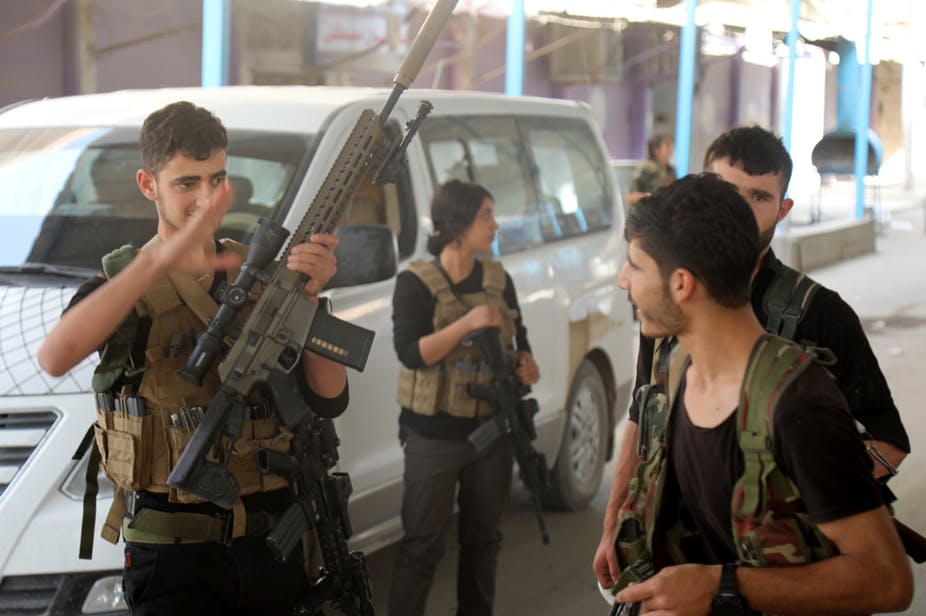
The Syrian army continued its advance into Kurdish-held territory in northern Syria on Saturday, escalating tensions despite U.S. calls to halt offensive operations. State media reported that government forces had taken control of the strategic city of Tabqa, its adjacent dam, and the Freedom Dam—formerly known as the Baath Dam—west of Raqqa. These locations are vital due to their proximity to key oilfields and hydroelectric infrastructure along the Euphrates River.
Syrian Kurdish authorities have not officially confirmed the loss of these positions, and it remains unclear whether fighting is ongoing in some areas. For several days, Syrian troops had mobilized around villages west of the Euphrates, urging the Kurdish-led Syrian Democratic Forces (SDF) to withdraw to the eastern bank. Clashes erupted over control of strategic military posts and oilfields, underscoring the economic and political stakes of the conflict.
The SDF said it withdrew from certain areas early Saturday as a goodwill gesture under an initial agreement that included Arab-majority towns such as Deir Hafer. Syrian troops entered these areas with little resistance, and local residents reportedly welcomed their arrival, expressing fatigue after years of conflict. However, the SDF later accused Syrian forces of violating the deal by advancing further east into towns and oilfields not covered by the agreement.
U.S. Central Command chief Brad Cooper urged Syrian troops to cease offensive actions between Aleppo and Tabqa, while coalition aircraft reportedly flew over contested towns, releasing warning flares. The Syrian Petroleum Company announced that oilfields near Rasafa and Sufyan had been captured and could be brought back online, although major oilfields remain under Kurdish control.
The fighting highlights the fragile balance in Syria following the ousting of Bashar al-Assad in late 2024 and the rise of President Ahmed al-Sharaa. While Damascus has pledged to reunify the country, Kurdish authorities remain wary, especially after stalled integration talks and recent sectarian violence. With Arab tribal leaders signaling readiness to take up arms, the situation in northern and eastern Syria remains volatile, raising concerns of broader instability.













