


 Russian Drone Strikes Hit Kharkiv and Dnipro, Injuring Over 20 Civilians
  Trump Hints at Possible U.S. Takeover of Cuba Amid Deepening Humanitarian Crisis
  Trump-Putin Call Addresses Iran War, Ukraine Peace, and Global Oil Crisis
  U.S.-Israel War on Iran Sends Crude Oil Prices Surging Amid Strait of Hormuz Tensions
  Ukraine Strikes Russian Missile Component Factory in Bryansk Using British Weapons
  Trump Administration Launches Trade Investigations Against 16 Countries Over Industrial Overcapacity
  Israel-Iran War: Herzog Urges Patience as U.S. and Israeli Strikes Intensify
  Trump Administration Spent $5.6 Billion in Munitions in Opening Days of Iran Strikes
  IEA Releases Record 400 Million Barrels of Oil Amid U.S.-Iran War
  Boeing Secures $289 Million Smart Bomb Contract With Israel
  U.S. Patriot Missiles Redeployed From South Korea Amid Middle East Conflict
  FBI Warns of Possible Iranian Drone Attacks on California Amid U.S.-Iran War
  U.S. Senate Greenlights AI Chatbots for Official Staff Use
  Iran Mines Strait of Hormuz: Crude Oil Prices Surge Amid Middle East Tensions
  Iran's Government Remains Stable Despite U.S. and Israeli Strikes, Intelligence Shows
  Shots Fired at U.S. Consulate in Toronto in Suspected National Security Incident
  Trump Doubts Iran Mining Reports as Strait of Hormuz Tensions Escalate


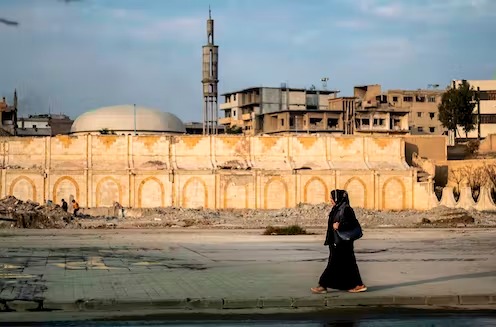
Syria has announced a four-day ceasefire with Kurdish-led forces in the northeast, marking one of the most significant shifts in territorial control since the fall of former president Bashar al-Assad over a year ago. The ceasefire follows rapid advances by Syrian government troops into areas previously held by the Syrian Democratic Forces (SDF), amid growing signals that the United States is scaling back its support for Kurdish autonomy in the region.
The Syrian government said it has reached an understanding with the SDF to develop a plan for integrating Kurdish forces into the central state, offering citizenship rights, cultural protections, and political participation. If no agreement is reached within four days, Damascus warned it could move troops into key SDF-controlled cities. The SDF confirmed it accepted the ceasefire and said it would refrain from military action unless attacked.
U.S. envoy Tom Barrack described the integration proposal as the “greatest opportunity” available to the Kurds, noting that the original mission of the SDF—defeating Islamic State—has largely ended. He also said Washington has no long-term interest in maintaining a military presence in Syria. President Donald Trump echoed this position, expressing support for Syrian President Ahmed al-Sharaa and emphasizing ongoing discussions over facilities holding detained Islamic State fighters in northeastern Syria. Trump added that the U.S. is still “trying to protect the Kurds.”
The situation has raised international concern, particularly over the security of prisons and camps holding thousands of Islamic State detainees and their families. Recent withdrawals by the SDF from areas near Shaddadi prison and al-Hol camp led to the escape of more than 100 detainees, many of whom were later recaptured by Syrian forces.
Tensions escalated after months of deadlock between Damascus and the SDF over the future of Kurdish fighters and territory. The U.S. has played a key mediation role as Syria’s new leadership, closely aligned with Turkey, seeks to consolidate control. With negotiations underway, the outcome of the ceasefire could reshape the balance of power in northeast Syria and redefine Kurdish relations with Damascus and Washington.













