


 Yindjibarndi Appeals Fortescue Mining Compensation Ruling
  PayPal Shares Sink as $50 Billion Takeover Bid Collapses
  Warner Bros. Discovery Shares Rise as Newsom Pushes Settlement in $110 Billion Merger Fight
  SoftBank Plans Record $6.3 Billion Bond Sale to Fund OpenAI Investments
  US Judge Dismisses Gautam Adani Criminal Charges
  Meta, U.S. States Discuss Settlement in Teen Addiction Trial
  Ecuador Court Convicts Ex-President Lenin Moreno in Bribery Case
  Samsung Shares Tumble 8% as $79 Billion Return Plan Disappoints
  Prince Harry, Elton John Ordered to Pay £9.54 Million in Daily Mail Legal Costs
  Nvidia Revenue Soars 106% as AI Demand Hits ‘Inflection Point’
  Alibaba Raises $10.2 Billion to Expand AI Infrastructure
  DOJ Rescinds Anti-Weaponization Fund Ahead of Todd Blanche Senate Confirmation Vote
  Google Expands Gemini Enterprise With AI Tools for Legal Sector
  SEC Sues Former Tricolor Executives Over $1.9 Billion Investor Fraud Scheme
  California Seeks Paramount Divestitures in Warner Bros. Merger
  29 US states are suing Meta. What might it mean for the rest of the world?
  SoftBank Eyes $20 Billion Bond Sale to Refinance OpenAI Loan


 Add as a preferred source on Google
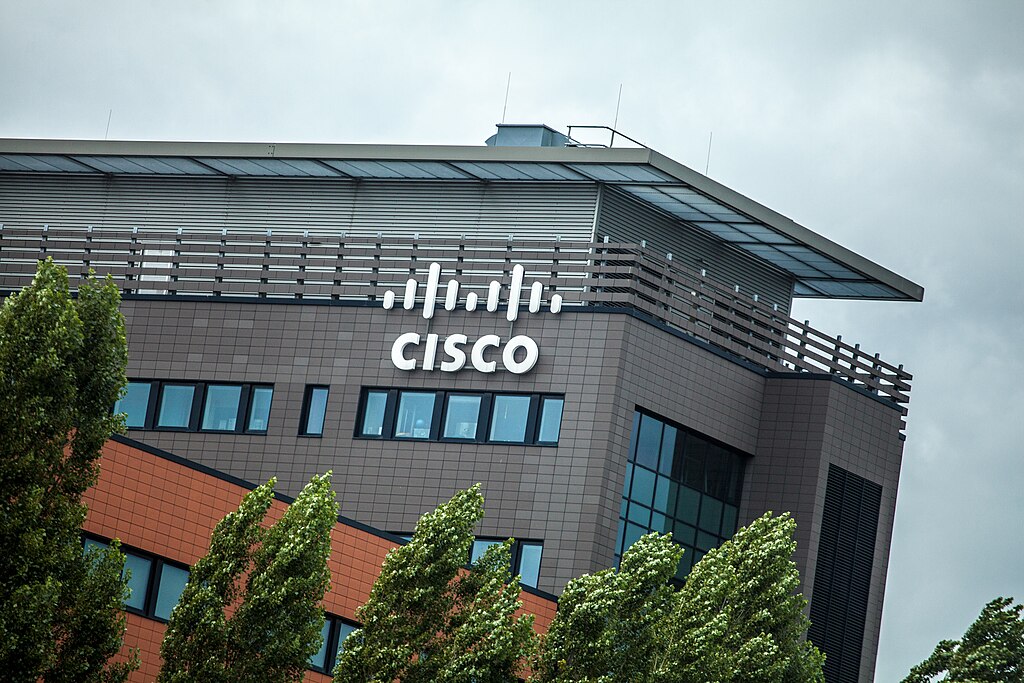
The U.S. Supreme Court has agreed to hear an appeal by Cisco Systems that could significantly reshape how American companies are held liable for alleged human rights abuses committed overseas. The case centers on the scope of the Alien Tort Statute (ATS), a 1789 federal law that has increasingly been used in recent decades to bring international human rights lawsuits in U.S. courts.
Cisco is appealing a 2023 ruling by the 9th U.S. Circuit Court of Appeals that revived a lawsuit first filed in 2011. The suit accuses the California-based technology company of knowingly developing and supplying surveillance technology that enabled the Chinese government to track, detain, and allegedly torture members of the Falun Gong spiritual movement. Plaintiffs argue that Cisco’s actions amounted to “aiding and abetting” serious human rights violations, including torture, arbitrary detention, and extrajudicial killings.
The lawsuit relies on both the Alien Tort Statute and the Torture Victim Protection Act (TVPA), a 1991 law allowing civil suits in U.S. courts against individuals involved in torture abroad. Plaintiffs allege Cisco executives facilitated abuses by helping design and implement China’s “Golden Shield,” a sophisticated internet surveillance system used to suppress dissidents.
Cisco has strongly denied the allegations, calling the claims unfounded and offensive. The company argues it sold technology to China that was legal under U.S. trade policy and maintains it did not participate in or intend to support human rights abuses. The Trump administration has backed Cisco’s appeal, urging the Supreme Court to limit the reach of the Alien Tort Statute, particularly as applied to U.S. corporations.
The case has a long procedural history. A federal judge dismissed it in 2014, citing insufficient connection to the United States. However, the 9th Circuit reversed course in 2023, finding the plaintiffs plausibly alleged Cisco knowingly provided essential assistance with awareness of likely abuses.
The Supreme Court is expected to hear oral arguments and issue a ruling by the end of June. The decision could have far-reaching implications for corporate liability, human rights litigation, and the future use of the Alien Tort Statute against U.S. companies operating abroad.







