


 China's Trade Surplus Surges Past Forecasts in Early 2026
  U.S. Senate Greenlights AI Chatbots for Official Staff Use
  Ukraine Strikes Russian Missile Component Factory in Bryansk Using British Weapons
  Trump-Putin Call Addresses Iran War, Ukraine Peace, and Global Oil Crisis
  Asian Markets Retreat as Oil Prices Surge Toward $100 Amid Middle East Tensions
  Gold Prices Slip as U.S.-Israel-Iran War Fuels Dollar and Oil Demand
  Chinese AI Stocks Surge as Tencent, MiniMax, and Zhipu Launch Agentic AI Programs
  Iran-Israel War Sparks Global Oil Crisis as Tankers Burn in Gulf Waters
  Boeing Secures $289 Million Smart Bomb Contract With Israel
  Asia FX Steady as Iran War Signals and U.S. Inflation Data Weigh on Sentiment
  U.S. Calls for Reassessment of International Aid to Taliban-Ruled Afghanistan
  Gold Prices Climb Above $5,200 as Iran War Uncertainty and Inflation Data Loom
  IEA Releases Record 400 Million Barrels of Oil Amid U.S.-Iran War
  Iran-U.S. Oil Tensions Escalate as Revolutionary Guards Threaten Strait of Hormuz Blockade
  Trump Administration Spent $5.6 Billion in Munitions in Opening Days of Iran Strikes
  Iran Mines Strait of Hormuz: Crude Oil Prices Surge Amid Middle East Tensions
  Diesel Price Surge Threatens Global Economy Amid Middle East Conflict


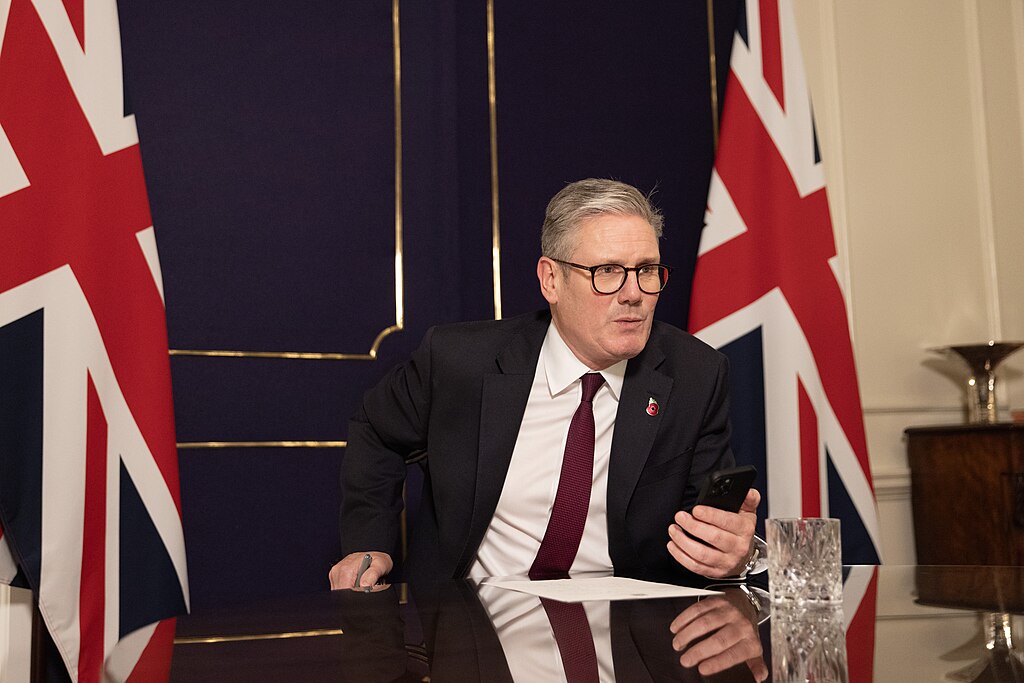
British Prime Minister Keir Starmer is set to meet Chinese President Xi Jinping in Beijing on Thursday in a high-profile diplomatic engagement aimed at strengthening UK–China economic relations after years of strained ties. The meeting, scheduled to last around 40 minutes at the Great Hall of the People and followed by a working lunch, marks the most significant step yet in Starmer’s strategy to re-engage with the world’s second-largest economy.
During the most important day of his four-day visit to China, Starmer will also hold talks with Premier Li Qiang and Zhao Leji, China’s top legislator. The visit is the first by a British prime minister since 2018 and comes at a time when the Labour government is under pressure to deliver stronger economic growth at home. Improving trade and investment ties with China has become a central pillar of Starmer’s foreign and economic policy, with hopes that renewed cooperation will unlock new business opportunities for British companies.
The trip takes place against a complex global backdrop, including rising tensions between the United Kingdom and the United States following remarks by U.S. President Donald Trump that have unsettled key allies. As Western countries reassess their diplomatic strategies, many European leaders are engaging more actively with Beijing to hedge against geopolitical uncertainty.
Experts expect tangible outcomes from Starmer’s visit. Kerry Brown, a professor of Chinese studies at King’s College London, said both sides are keen to present the talks as a success, with several bilateral deals likely to be announced. These agreements are expected to underline a more pragmatic and stable phase in UK–China relations.
A key outcome of the visit will be a joint commitment by Britain and China to combat illegal migration networks. The two countries plan to share intelligence and work with Chinese manufacturers to curb the use of Chinese-made engines in small boats used by people smugglers.
While Starmer has indicated he will raise sensitive issues such as human rights and the case of British citizen Jimmy Lai, the presence of more than 50 business leaders on the trip highlights the economic focus of the visit. Starmer has emphasized that the overriding goal is to deliver tangible benefits for people in the UK through trade, investment, and long-term economic cooperation with China.













