


 Japan's BOJ Independence Under Fire as PM Takaichi's Rate Stance Draws Political Heat
  Mexico's Electoral Reform Bill Fails in Congress as Coalition Fractures
  FBI Warns of Possible Iranian Drone Attacks on California Amid U.S.-Iran War
  Pentagon Taps Wall Street Talent to Manage $200 Billion Defense Investment Fund
  Russian Drone Strikes Hit Kharkiv and Dnipro, Injuring Over 20 Civilians
  Iran's Government Remains Stable Despite U.S. and Israeli Strikes, Intelligence Shows
  Ukraine Strikes Russian Missile Component Factory in Bryansk Using British Weapons
  Trump Administration Spent $5.6 Billion in Munitions in Opening Days of Iran Strikes
  Boeing Secures $289 Million Smart Bomb Contract With Israel
  After the Iran war, Persian Gulf nations face tough decisions on the US – a former diplomat explains
  U.S. Calls for Reassessment of International Aid to Taliban-Ruled Afghanistan
  U.S. Patriot Missiles Redeployed From South Korea Amid Middle East Conflict
  Trump Hints at Possible U.S. Takeover of Cuba Amid Deepening Humanitarian Crisis
  Israel-Iran War: Herzog Urges Patience as U.S. and Israeli Strikes Intensify
  IEA Releases Record 400 Million Barrels of Oil Amid U.S.-Iran War
  Bipartisan Housing Bill Advances in Senate, Aims to Tackle U.S. Affordability Crisis


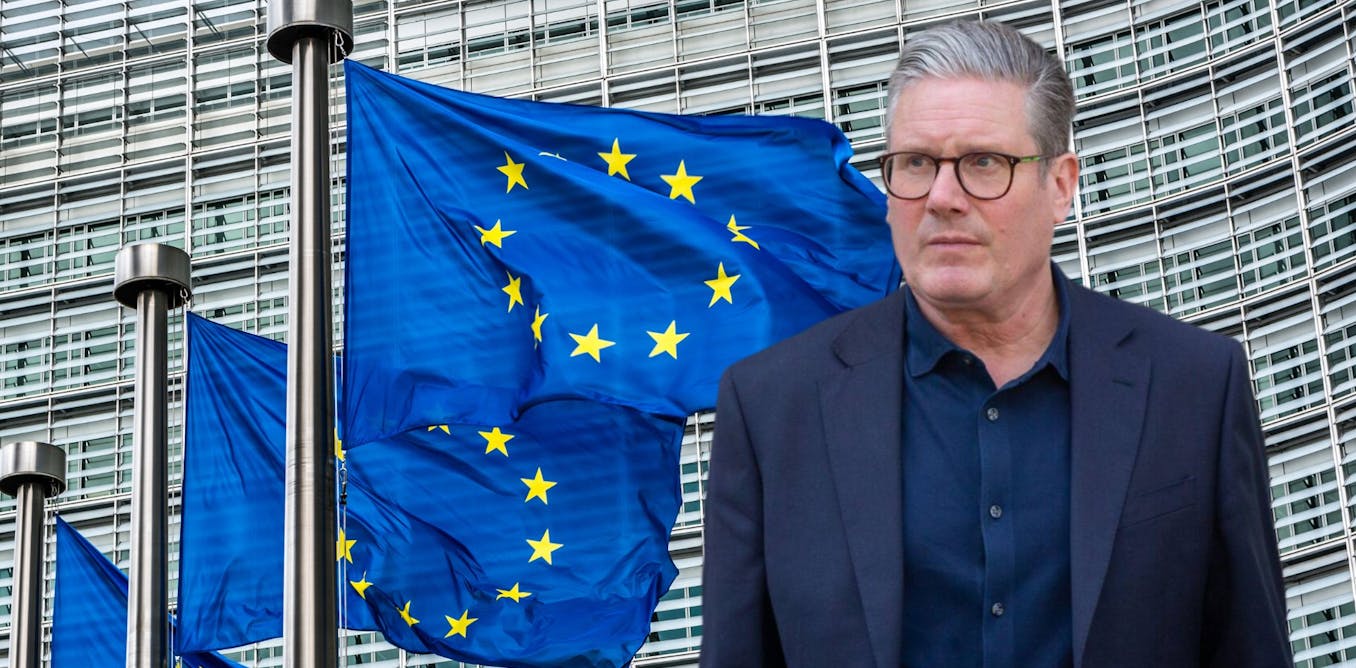
British Prime Minister Keir Starmer is set to call for closer European defence cooperation to reduce NATO’s reliance on the United States, emphasizing greater integration across Europe’s defence industry. Speaking at the Munich Security Conference, Starmer will underline the importance of strengthening European security while maintaining the United States as an indispensable ally within the NATO alliance.
Starmer’s remarks come amid renewed debate over NATO burden-sharing, as U.S. President Donald Trump has urged European nations to increase defence spending and sparked tensions within the alliance, including controversial comments about acquiring Greenland from Denmark, a NATO member. Against this backdrop, Starmer will advocate for a more balanced transatlantic partnership built on shared responsibility and deeper European defence autonomy.
According to extracts from his speech, Starmer will stress that enhancing Europe’s defence capabilities does not signal a U.S. withdrawal from NATO. Instead, he will argue that a stronger European pillar within NATO answers Washington’s calls for fairer burden-sharing while reinforcing collective security. He is expected to promote a unified approach to defence procurement, highlighting how fragmentation within Europe’s defence industrial base leads to duplication and inefficiency. By addressing these gaps, Starmer believes Europe can unlock its potential as a “sleeping giant” in global security.
Since taking office in 2024, the Labour leader has sought to rebuild the United Kingdom’s relationship with the European Union following Brexit. He has also played a key role in coordinating European support for Ukraine in response to Russia’s ongoing invasion. Although previous discussions about Britain joining the EU’s SAFE defence fund collapsed, Starmer has signaled openness to participating in a revised framework or pursuing alternative defence partnerships.
In his speech, Starmer will declare that Britain has moved beyond the divisions of the Brexit years. He will emphasize that UK security is inseparable from European security, reinforcing his vision of a more integrated, resilient, and strategically autonomous Europe within NATO.













