


 AI Chip Stocks Face Valuation Pressure as Investors Shift Toward Big Tech and Software
  Lockheed Martin Unveils Lower-Cost Patriot ACE Interceptor to Meet Rising Air Defense Demand
  Nvidia Reveals 9.3% Stake in AI Cloud Firm Nebius Following $2 Billion Investment
  Super Micro Computer Stock Jumps 20% After Record AI Orders and Margin Surge
  KPMG Australia Appoints John Sams as CEO Following Audit Leak Scandal
  ASML Trillion-Dollar Valuation: Can Europe’s AI Chip Giant Reach the Historic Milestone?
  TSMC Sees Multi-Year AI Chip Demand as Arizona Expansion Reaches $265 Billion
  DeepSeek Eyes $74 Billion Valuation Ahead of Planned China IPO
  Hyundai Takes Full Control of Boston Dynamics to Accelerate Humanoid Robot and AI Strategy
  Morgan Stanley Downgrades Adobe, Workday as AI Transition Raises Growth Concerns
  SpaceX Q2 Earnings on Aug. 4 Set Stage for Historic Insider Share Unlock
  Moonshot Launches Kimi K3, China's Largest Open-Source AI Model
  Cathay Pacific Sees H1 Profit Surge on Strong Travel Demand
  Samsung Eyes Up to $1.14 Billion Investment in AI Startup Mistral
  Nike Shifts China Online Sales Strategy to Boost Brand and Fight Local Rivals
  Apple Intelligence China Approval Lifts Alibaba and Baidu Shares
  Foxconn Wins First SpaceX AI Server Contract Worth Estimated $52 Billion


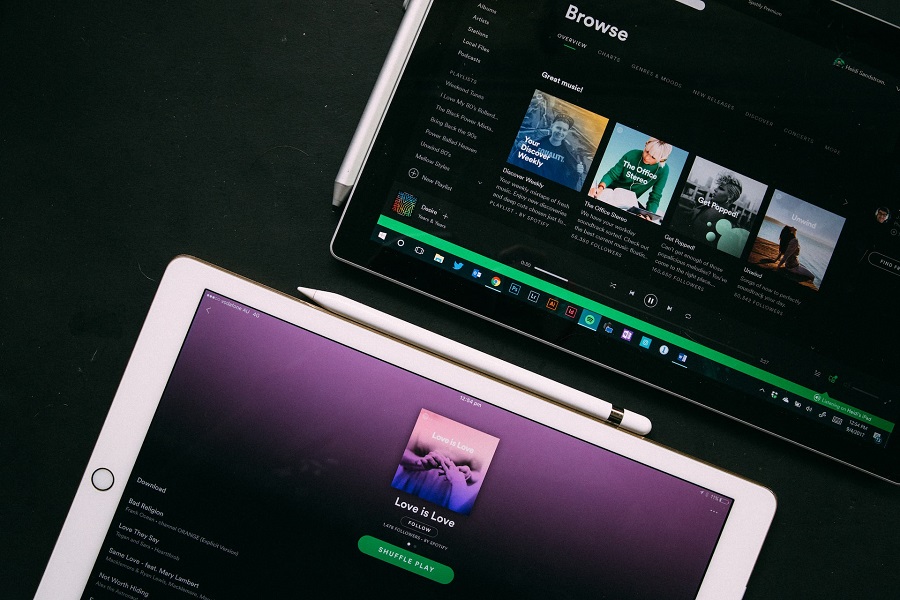
Spotify is the latest tech giant to take a highly publicized approach to call out Apple's in-app purchase policies. The streaming giant launched a Time to Play Fair website on Tuesday after the iPhone maker blocks original designs to streamline in-app purchases of Audiobooks via the Spotify app.
It can be recalled that the streaming giant added an Audiobooks section to its app last month. It is currently only available to US customers, but the company confirms it will launch globally at a later time. New York Times reported that Spotify received feedback on the rather tedious process of purchasing audiobooks from the app, which required users to enter payment details.
Spotify then planned to address the issue by designing a simpler payment process. However, those changes were ultimately rejected by Apple because they violated App Store's in-app purchase rules that prohibit developers to offer payment options outside Apple's payment system.
On Spotify's Time to Play Fair website, the company says it designed a payment process that would have allowed iOS and iPadOS users to purchase audiobooks "in a single click." Spotify added that Apple rejected its subsequent payment solutions and app updates by as many as three times before coming up with the latest fix approved on Tuesday. Spotify argued, however, that the approved updates only offer an "experience dictated by Apple" at the expense of users, authors, and audiobook publishers.
The in-app purchase solution Apple accepted, according to Spotify, includes as many as 10 steps to complete one audiobook purchase. "Spotify has tried time and time again to appease Apple in a way that will follow their rules but won’t make the entire experience terrible—and Apple has said no each and every time, and they send us back to the drawing board without clear direction," the streaming company said.
Per the existing App Store guidelines, developers are required to use Apple's in-app purchase system, where it can get its 30% cut for every in-app transaction. Among the in-app purchases covered by this policy are in-app subscriptions, premium features, in-game currencies, and unlocking an app's full version.
This is not the first time Apple and Spotify have butted heads over its App Store policies. The latter filed a complaint to the European Commission against Apple in 2019 over App Store guidelines that Spotify said "purposely limit choice and stifle innovation at the expense of the user experience."
In a statement this week, Spotify CEO Daniel Ek noted that the EU regulator has yet to reach a decision after nearly four years. "While we wait, Apple continues to dictate what online innovation looks like, doing serious harm to the internet economy, choking competition and the imagination of app developers," Ek added.







