


 Unitree Shares Plunge 45% After Blockbuster IPO, Raising China Tech Bubble Fears
  SK Hynix Shares Fall as Workers Reject Wage Deal
  Faraday Future Delivers First Robots in Middle East, Plans September Launches
  OpenAI Rejects Apple Trade Secret Theft Claims
  Apple’s Phil Schiller Steps Back as Leadership Shake-Up Accelerates
  Nvidia Options Price in $280 Billion Earnings Swing
  Xiaomi Unveils Xring O3 Chip for Flagship Foldable Phone
  New Zealand Labour Backs Social Media Ban for Under-16s
  SoftBank Eyes $20 Billion Bond Sale to Refinance OpenAI Loan
  Google Changes EU Spam Policy Amid Antitrust Scrutiny
  Trump Buys SpaceX Shares After Record IPO
  Meta Agrees to $18 Billion Settlement, Tightens Teen Social Media Rules
  Luxshare Shares Rise as First-Half Profit Jumps 18%
  U.S. Probes Apex Logistics Over Nvidia AI Chip Shipments to China


 Add as a preferred source on Google
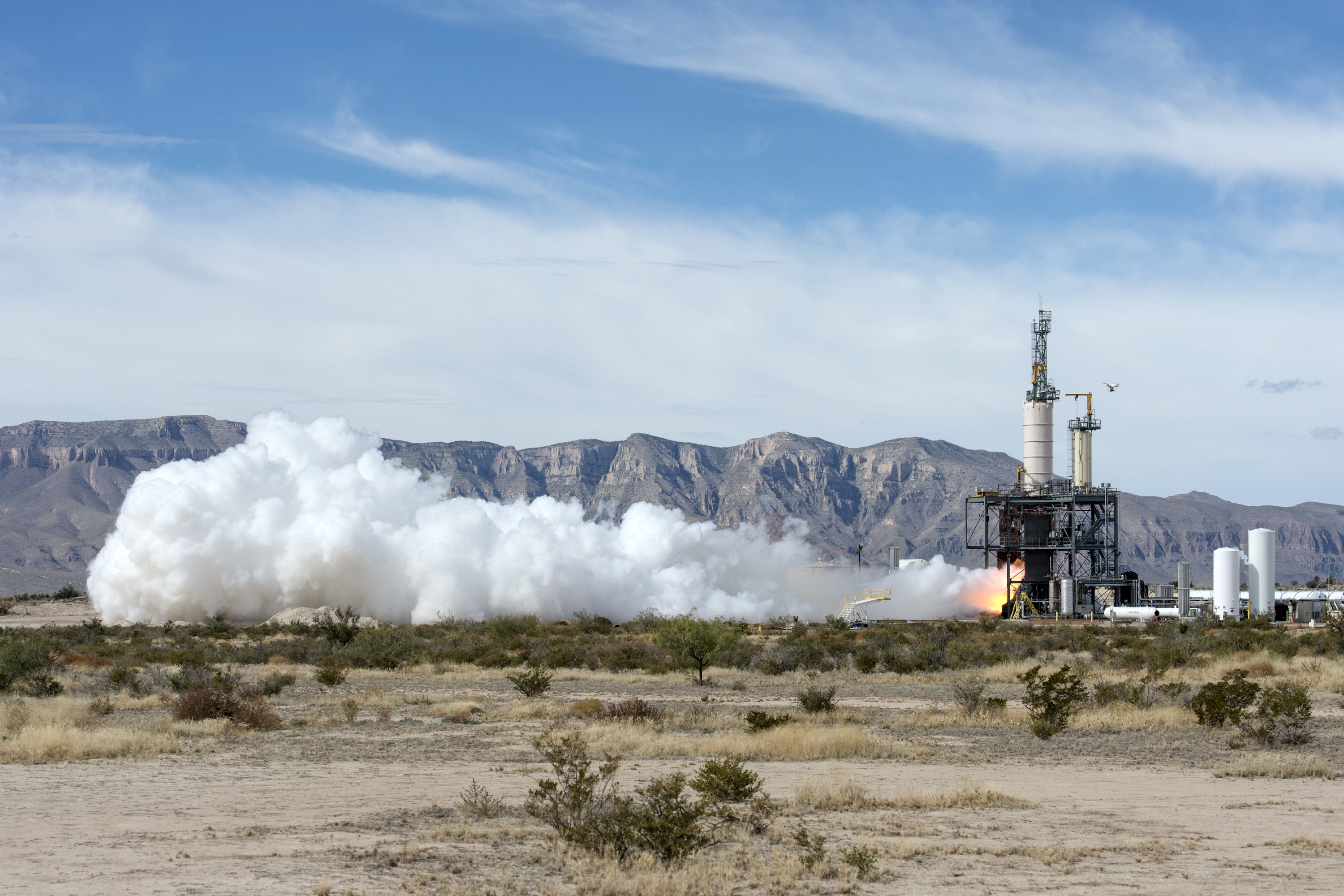
Following several delays, Blue Origin, the private space company by Amazon billionaire owner Jeff Bezos finally launched a reused rocket into space for the first time. This finally puts the SpaceX rival much closer to catching up to the achievements that the company owned by Tesla CEO Elon Musk has already engraved in stone.
Unlike SpaceX, the eventual goal of Blue Origin is to bring tourists up into space and monetize the whole experience much like any travel agency would. The only the difference is in the scope and amount of fee involved. On Sunday, the company came one step closer to making this dream a reality by launching a Shepard rocket from Texas, CNET reports.
This is only the eight time that the company has been able to test its system to successfully launch and in this case, the rocket actually reached an altitude of 350,000 feet (106,680 meters). This was only about five percent higher than the previous flight test, but progress is still progress.
More to the point, the biggest story here is the fact that the rocket launched was actually used, which is relevant to the company’s plans in many ways. For starters, it would cut operating costs significantly since it would mean that Blue Origins could reuse its rockets over and over without having to build a new one every time. Doing so would be incredibly costly.
Much like the Falcon 9 rockets, the booster for the Shepard came back to Earth and landed on its own. The same goes for its capsule, which first came down via parachute before using rocket thrusters, CBS News reports. Both of these parts were already used.
In terms of direct competition, Virgin Galactic is much closer as a rival than SpaceX to Blue Origin since the company by Richard Branson will also focusing on space tourism. It’s simply the means of actually doing it that sets these private space agencies apart.







