


 Australia-EU Free Trade Deal Signed After Years of Negotiations
  Oil Prices Climb as Iran Reviews U.S. Peace Proposal Amid Middle East Tensions
  Currency Markets Show Caution Amid U.S.-Iran Negotiations
  UK Consumer Confidence Weakens Amid Middle East Conflict and Rising Living Costs
  Wall Street Slides as Iran War Uncertainty, Oil Surge, and AI Fears Rattle Markets
  Japan's Private Sector Growth Slows in March Amid Rising Costs and Middle East Uncertainty
  Australia's Inflation Eases in February but Core Pressures Persist
  U.S. Dollar Weakens as Trump Signals Iran Deal Possibility
  Asian Currencies Stay Muted as Dollar Holds Firm Amid Iran Uncertainty
  Asian Currencies Weaken as Dollar Rebounds Amid Middle East Uncertainty and Japan Inflation Data
  Gold Prices Surge on U.S.-Iran Ceasefire Reports
  Bank of Japan Eyes April Rate Hike Despite Inflation Dip, ING Says
  U.S. Oil Prices Slide as Middle East Ceasefire Talks Spark Market Optimism
  Japan Eyes Oil Futures Intervention to Stabilize Yen Amid Middle East Crisis
  Iran-Israel Missile Strikes Continue Amid Mixed Signals on U.S.-Iran Diplomacy
  Bank of Japan Officials Signal Continued Interest Rate Hikes Amid Inflation Concerns


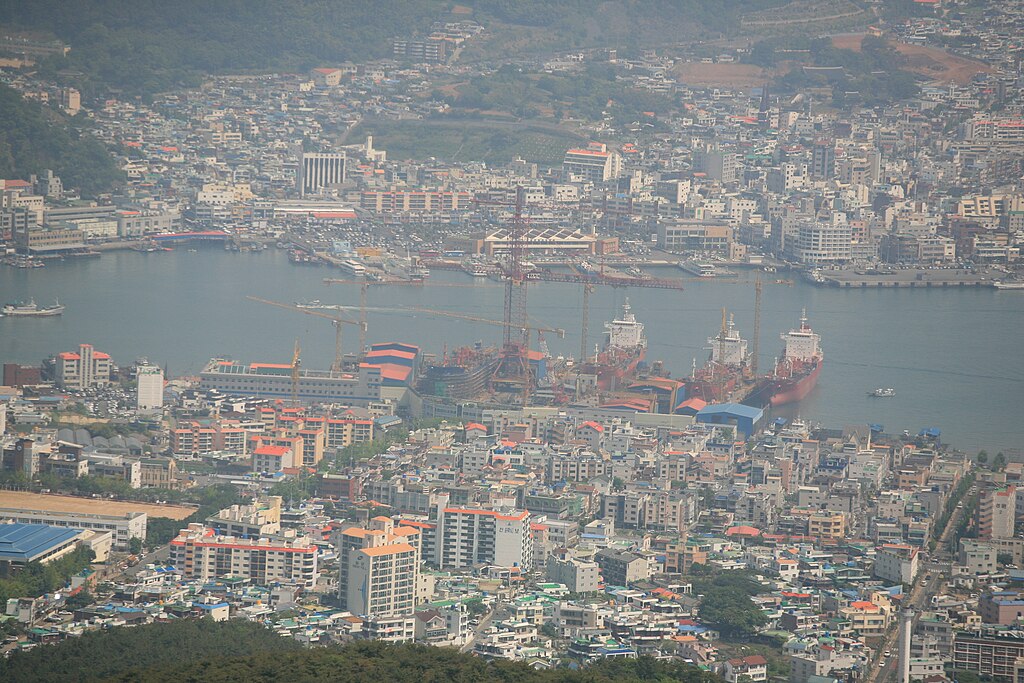
South Korea's economy likely returned to growth in the second quarter, driven by improved exports and a gradual recovery in domestic demand, according to a Reuters poll of economists. After contracting 0.2% in Q1 due to weak consumption and sluggish trade, GDP is projected to have grown 0.5% from April to June, aligning with the Bank of Korea’s (BOK) May forecast.
Year-on-year, GDP likely rose 0.4% in Q2 following flat growth in the first quarter, based on estimates from 23 economists surveyed between July 15-21. ING economist Min Joo Kang noted that consumption is showing early signs of recovery, with more substantial improvement expected in Q3 as government-issued spending vouchers take effect.
To counter slowing demand and looming U.S. tariffs, the government approved a 13.8 trillion won ($9.9 billion) supplementary budget in May, followed by a 31.8 trillion won stimulus in July aimed at boosting local spending.
Exports, a key growth driver, climbed 4.3% in June after declining in May, buoyed by strong global demand for semiconductors, vessels, and pharmaceuticals. However, shipments to the U.S. and China fell for a third and second consecutive month, respectively. Construction activity continued to weigh on growth.
South Korea is currently negotiating with Washington to avoid a 25% tariff on its exports, with a deal deadline set for August 1. Industry Minister Kim Jung-kwan described talks as being in a "critical phase," though uncertainty remains.
Meanwhile, the BOK held interest rates steady this month, with many board members signaling the likelihood of a rate cut within the next quarter due to persistent economic risks. Economists have also cut their 2025 growth outlook to 0.9%, aligning with the BOK’s revised projection of 0.8%.













