


 Currency Markets Show Caution Amid U.S.-Iran Negotiations
  Gold Prices Climb as Middle East Ceasefire Talks Stir Market Optimism
  UK Consumer Confidence Weakens Amid Middle East Conflict and Rising Living Costs
  Trump Tariffs Show Minimal Economic Impact but Boost Federal Revenue, Study Finds
  U.S. Oil Prices Slide as Middle East Ceasefire Talks Spark Market Optimism
  WTO Reform Talks Begin in Cameroon Amid Global Trade Tensions
  Japan's Private Sector Growth Slows in March Amid Rising Costs and Middle East Uncertainty
  Bank of Japan Officials Signal Continued Interest Rate Hikes Amid Inflation Concerns
  Japan Eyes Oil Futures Intervention to Stabilize Yen Amid Middle East Crisis
  Gold Prices Surge on U.S.-Iran Ceasefire Reports
  Australia-EU Free Trade Deal Signed After Years of Negotiations
  U.S. Futures Slide as Iran Denies Nuclear Talks with Washington
  U.S. Dollar Weakens as Trump Signals Iran Deal Possibility
  Oil Prices Rebound as Iran Denies U.S. Talks Amid Gulf War Supply Fears
  Federal Reserve Balance Sheet Reduction: Brookings Research Outlines Possible Path Forward
  Asian Currencies Stay Muted as Dollar Holds Firm Amid Iran Uncertainty


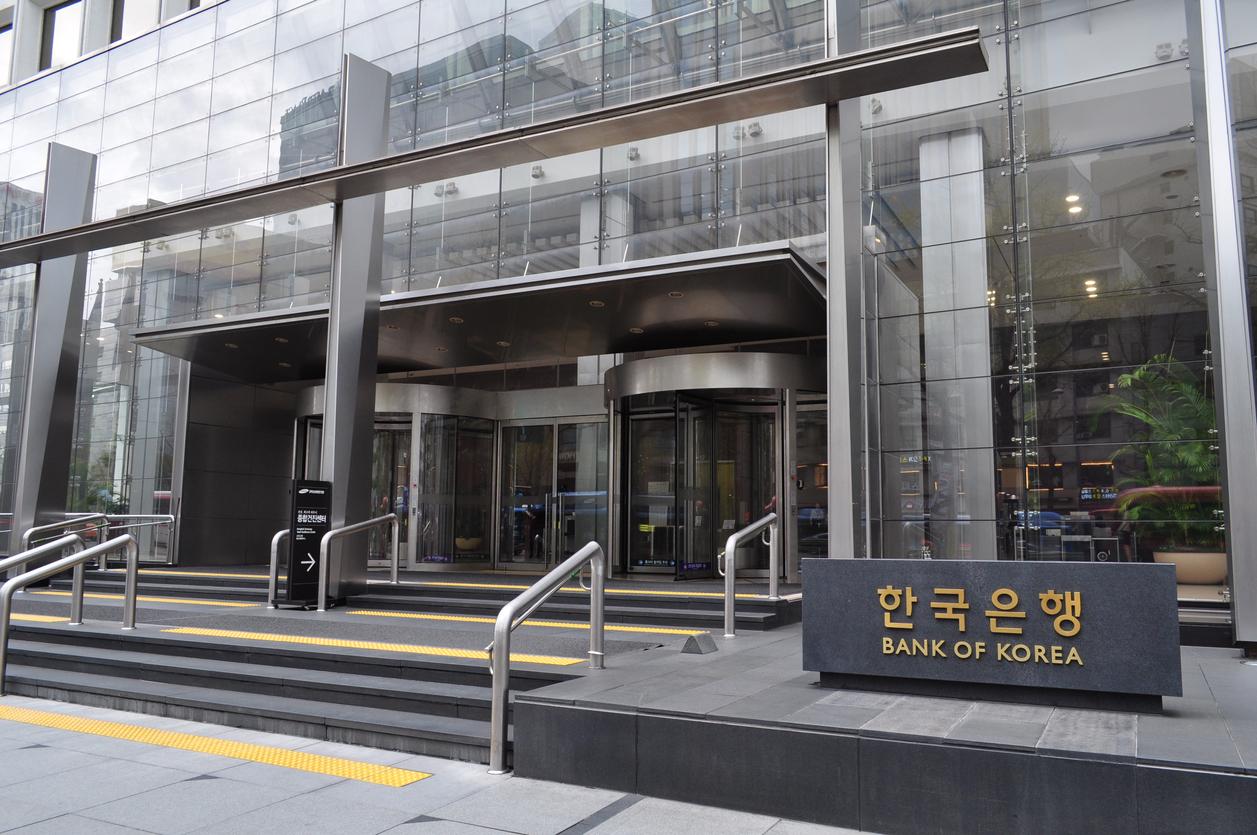
South Korea's central bank cautioned that escalating tensions in the U.S.-China trade war could prolong market instability, increase capital outflow risks, and amplify dollar-won exchange rate volatility. The Bank of Korea (BOK) highlighted concerns that fluctuations in the yuan and dollar significantly impact the won’s value, potentially leading to heightened currency market turbulence.
In its latest monetary policy report, the BOK warned that the ongoing trade conflict between the world's two largest economies could intensify, posing further economic challenges for South Korea. The central bank pledged to closely monitor foreign investment trends and currency movements to mitigate risks associated with potential capital withdrawals.
The South Korean won has strengthened by 1.6% against the dollar this year after plunging 14% last year, marking it as one of Asia’s worst-performing currencies in 2024. In response to economic pressures, the BOK cut interest rates by 25 basis points on February 25, marking its third rate reduction since October when it began easing from a 15-year high. The central bank also slashed its GDP forecasts, signaling ongoing economic uncertainty.
Adding to economic concerns, domestic political instability following the brief declaration of martial law by impeached President Yoon Suk Yeol in December has dampened consumer confidence. The combined impact of political unrest and trade tensions threatens corporate profitability and economic growth.
With global trade uncertainties mounting, South Korea remains vigilant against external shocks that could disrupt its financial stability. The BOK's proactive stance underscores the challenges faced by Asia’s fourth-largest economy as it navigates turbulent market conditions.













