


 Economic pessimism has set in – but there are reasons for Australians to be hopeful
  China Manufacturing PMI Edges Higher in June as Exports and AI Investment Boost Growth
  Oil Prices Rise as US-Iran Tensions Threaten Strait of Hormuz Oil Shipments
  Central Banks Eye Gold, Reduce Dollar Exposure as AI Adoption Accelerates: OMFIF Survey
  Global Financial Firms Shift Asia Expansion Focus to South Korea as China, India Face Caution
  Argentina Economy Shrinks 1.5% in April, Recovery Under Milei Loses Momentum
  Trump Questions Housing Bill as He Prioritizes SAVE America Act
  Asian Stocks End Strong Quarter as Dollar Surges, Yen Hits 40-Year Low Ahead of US Jobs Data
  US Stock Futures Steady as Investors Await Payrolls Data and Monitor Iran Tensions
  Gold Price Ends Lower for Fourth Week Despite Rebound as Fed Rate Hike Bets Strengthen
  Oil Prices Slip as U.S.-Iran Peace Talks and Strait of Hormuz Risks Keep Markets on Edge
  China Expands Export Controls, Adds 20 Japanese Companies to Restricted List
  Trump Threatens 100% Tariffs on Countries Imposing Digital Services Taxes on U.S. Tech Firms
  Yen Falls to 40-Year Low as Markets Watch Japan Intervention and U.S. Jobs Report
  Gold Price Falls as Fed Rate Hike Fears and U.S.-Iran Tensions Weigh on Bullion
  Asian Stocks Slip as US-Iran Ceasefire Hopes Lift Oil, Dollar Strength Persists


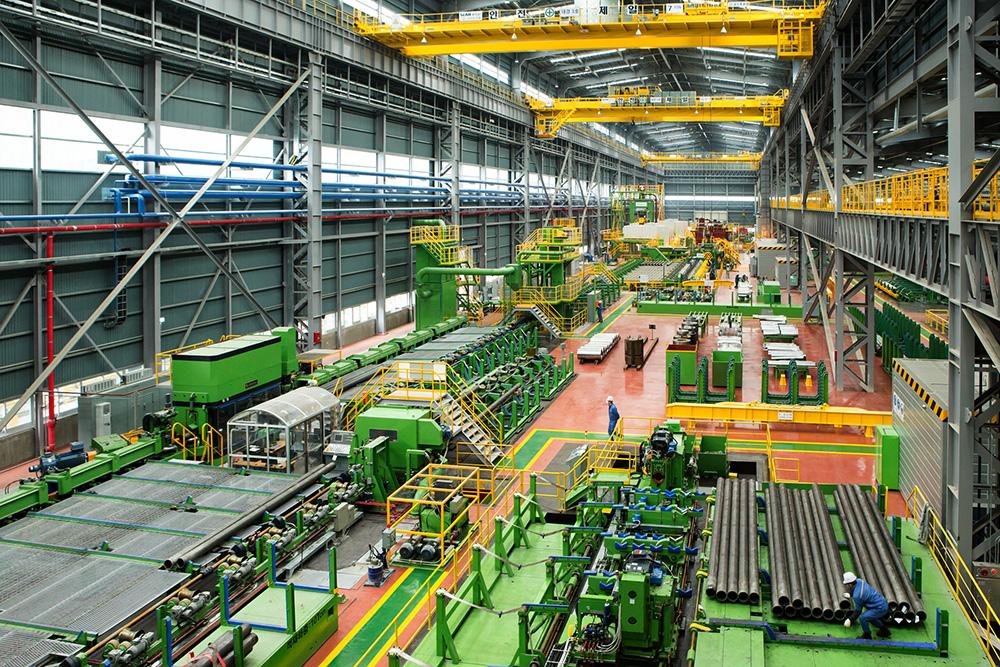
South Korea's manufacturing sector delivered a standout performance in March, with factory activity accelerating to its strongest level in over four years. Data from S&P Global's Purchasing Managers' Index showed a reading of 52.6, climbing from 51.1 in February and marking the highest point since February 2022. Any reading above 50 signals expansion, making this result a strong indicator of industrial momentum.
The surge was largely driven by booming semiconductor demand and the rollout of new product lines across key industries. Output growth reached its fastest pace since August 2024, reflecting solid gains in both production capacity and consumer-facing innovation. According to S&P Global Market Intelligence economist Usamah Bhatti, a strengthening domestic economy and fresh product launches were the primary catalysts behind the manufacturing upturn.
New orders continued to grow, though at a slightly more modest rate compared to the prior month. Global uncertainties, particularly the ongoing Middle East conflict, weighed on export order momentum, pushing overseas demand growth to a four-month low. Despite this headwind, strong buying interest from the United States and across Asian markets helped cushion the impact and kept overall order volumes in positive territory.
On the cost side, input prices climbed at the sharpest rate since June 2022. Rising global oil prices and a weakened South Korean won contributed to increased raw material costs, putting pressure on manufacturers' margins. These inflationary pressures will be a key area to watch as businesses navigate a complex global trade environment.
Overall, South Korea's March PMI data paints an encouraging picture of industrial resilience. With semiconductor exports leading the charge and domestic demand holding firm, the country's manufacturing outlook remains cautiously optimistic, even as external risks continue to pose challenges to sustained growth.







