


 China Cuts Tariffs on U.S. Farm Goods but Excludes Soybeans
  U.S. Stock Futures Fall as Iran, Oil and AI Risks Rattle Markets
  Gold Plunges 4% as Treasury Yields Surge and Fed Rate Hike Bets Rise
  UK Housebuilder Stocks Surge on New First-Time Buyer Loan Scheme
  RBA Set for September Rate Hike as Inflation Stays High
  U.S. Stock Futures Steady as AI, Rate Concerns Weigh
  Oil Surge Pressures Global Stocks as U.S.-Iran Truce Hopes Fade
  Gold Rebounds as Oil Falls and Treasury Rout Eases
  Oil Prices Jump Nearly 3% as Iran Holds Firm on Hormuz Conditions
  Fed’s Williams Signals One More Rate Hike Before Year-End
  Hong Kong Home Prices Stabilize in August After July Decline
  Australia Budget Deficit Narrows to A$22.3 Billion on Stronger Tax Revenue
  Asian Currencies Mixed as Yen Weakens, RBA Hike Looms
  China Industrial Profit Growth Slows as Weak Demand Offsets AI Gains
  US Dollar Hits Two-Month High as Aussie, Pound Slide
  Asian Stocks Fall as Bond Yields and Oil Prices Surge


 Add as a preferred source on Google
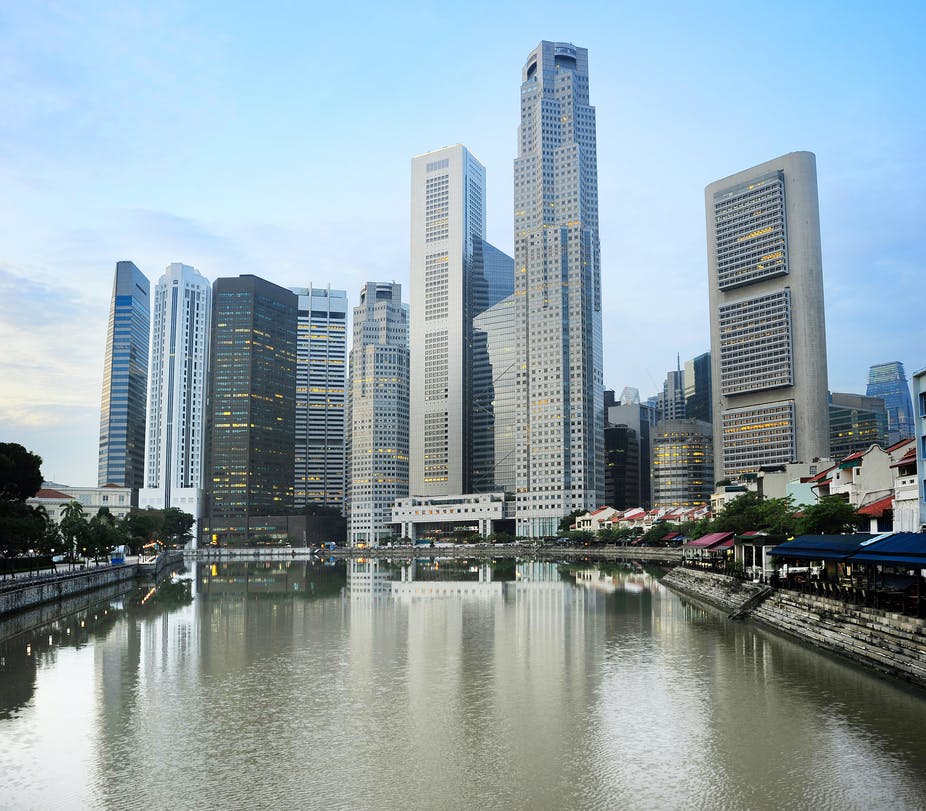
Singapore has sharply upgraded its 2026 economic growth forecast, citing stronger global artificial intelligence investment, resilient external demand and a less severe economic impact from the Middle East conflict than initially expected.
The Ministry of Trade and Industry now expects Singapore GDP growth of 4.5%-5.5% in 2026, up from its previous forecast of 2.0%-4.0%. The revision came after the economy expanded 5.9% year-on-year in the second quarter, exceeding an earlier estimate of 5.7%. On a seasonally adjusted quarter-on-quarter basis, GDP grew 1.4%, while first-half growth reached 6.1%.
Officials said the global AI investment boom has been stronger than anticipated, improving prospects for Singapore industries linked to the technology cycle. Meanwhile, disruptions stemming from the Iran war have had a milder overall impact, although sectors directly exposed to Middle East supply disruptions remain under pressure.
The government also expects limited economic impact from the 12.5% U.S. tariff on Singapore exports, according to Trade Ministry Permanent Secretary Beh Swan Gin.
Maybank economist Chua Hak Bin said easing geopolitical uncertainty, lower oil prices, safe-haven capital inflows, strong AI-related activity and a construction upswing could sustain Singapore's momentum through the second half. He added that growth could potentially exceed the government's latest projection.
Enterprise Singapore also significantly raised its non-oil domestic exports (NODX) forecast, predicting growth of 14%-16% in 2026 compared with its previous estimate of 3%-5%. The agency attributed the upgrade to a more resilient global economy and continued AI-related demand and capital expenditure.
Despite the stronger outlook, inflation remains a concern. The Monetary Authority of Singapore (MAS) tightened monetary policy in late July amid persistent price pressures, particularly from elevated energy costs. MAS currently expects both core and headline inflation to range between 1.5% and 2.5% in 2026.
Singapore's annual inflation stood at 1.6% in June and is expected to rise and remain elevated into the first half of 2027. The government has also introduced additional financial support for households and businesses facing higher energy expenses.







