


 China Opens Door to Stronger U.S. Trade Ties Amid Rising Tensions
  US Military Eyes 10,000 Troop Surge to Middle East Amid Iran Nuclear Tensions
  U.S. Government Shutdown Drags On as House Rejects Senate Deal, TSA Crisis Worsens
  Ukraine-Russia War: Frontline Updates as Spring Offensive Looms
  Germany Open to Post-War Role in Middle East, Merz Says
  Trump Signs Executive Order to Pay TSA Workers Amid Airport Security Crisis
  Israeli Airstrike Targets Building in Beirut's Southern Suburbs Amid Ongoing Hezbollah Conflict
  Russia Accused of Helping Iran Target U.S. Forces, European Powers Tell G7
  Trump Warns "Cuba Is Next" Amid U.S. Military Posturing in the Region
  California Renames Cesar Chavez Day to Farmworkers Day Following Sexual Abuse Allegations
  Iran Allows Oil Tankers Through Strait of Hormuz Amid U.S. Negotiations
  Lavrov Claims U.S. Seeks Control Over Damaged Nord Stream Pipelines
  EU and CPTPP Nations Push for Landmark Digital Trade Agreement
  Elon Musk Joins Trump-Modi Phone Call Amid Iran War Discussions
  God on their side: how the US, Israel and Iran are all using religion to garner support
  Trump Questions U.S. Commitment to NATO Amid European Tensions


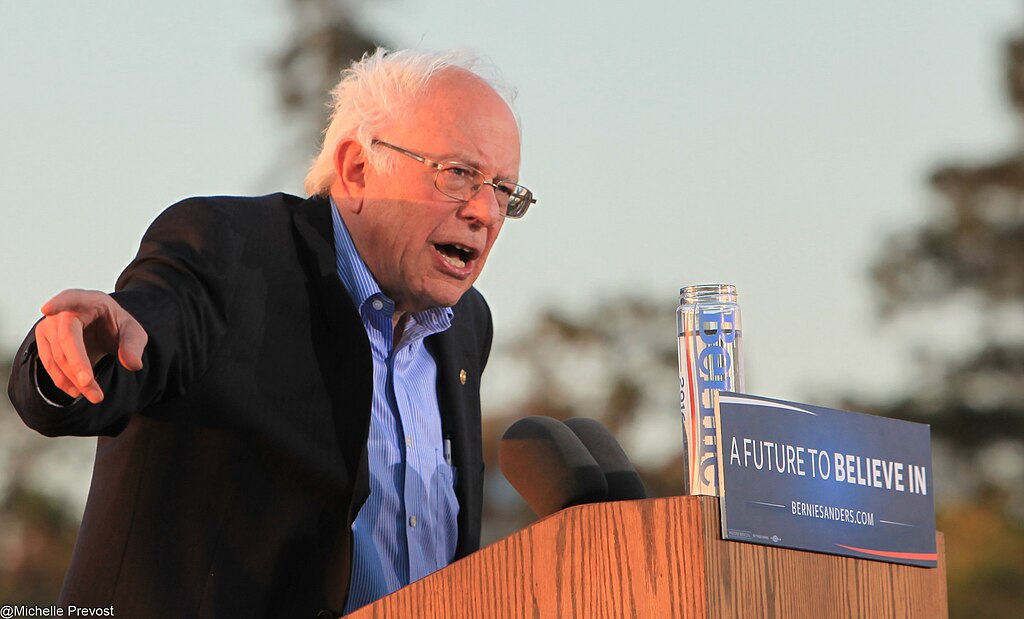
In a surprising move, Senator Bernie Sanders announced plans to introduce legislation aimed at capping credit card interest rates at 10%, a promise once championed by former President Donald Trump during his campaign. Sanders, known for his progressive economic policies, argues that the bill would deliver immediate relief to millions of Americans burdened by high-interest debt.
The announcement is already stirring debate in Washington, with supporters praising the move as a step toward financial equity, while critics question its feasibility and potential economic impact.
Legislation Targets Soaring Interest Rates
Sanders’ proposal seeks to combat the rising interest rates that have plagued American consumers in recent years. Credit card interest rates currently average 20.5%, a record high, according to the Federal Reserve. For families already struggling with inflation and stagnant wages, high-interest debt has become a significant financial burden.
“Americans should not have to choose between putting food on the table and paying exorbitant interest on their credit cards,” Sanders said in a statement. He noted that the legislation would also introduce penalties for financial institutions that fail to comply with the cap.
The bill’s connection to Trump’s 2016 campaign pledge adds an intriguing political twist. Although Trump frequently touted the idea of capping credit card rates, it was never pursued during his administration. By aligning his proposal with Trump’s unfulfilled promise, Sanders appears to be challenging the Republican Party to act on behalf of working-class Americans.
Critics Voice Concerns Over Economic Impact
While Sanders’ proposal has garnered praise from consumer advocates, it faces significant pushback from financial institutions and conservative lawmakers. Critics argue that a 10% cap could lead to unintended consequences, including reduced access to credit for low-income borrowers and a potential tightening of the lending market.
The American Bankers Association warned that the legislation could “disrupt the financial system” and lead to higher fees for other banking services. Republican Senator Pat Toomey dismissed the proposal as “populist pandering,” claiming it would create more problems than it solves.
Despite these concerns, Sanders is pushing forward, emphasizing the need for bipartisan support. “This isn’t about left or right. It’s about doing what’s right for the American people,” he said.
Netizens Weigh In on Sanders’ Bold Proposal
The proposal quickly gained traction on social media, with users sharing their thoughts on Sanders’ legislative push. Twitter user @DebtFreeDreamer applauded the move, writing, “Finally, someone is standing up to the banks! This is the kind of change we need.”
Others expressed skepticism. User @FiscalRealist tweeted, “Sounds great on paper, but what happens when banks start denying credit to the people who need it most?”
Many users saw the move as a direct challenge to Trump. @PoliticalPundit posted, “Bernie is calling Trump’s bluff. Let’s see if the GOP stands by their campaign promises.”
Some, however, highlighted potential flaws. User @CreditHawk noted, “Capping rates at 10% could hurt smaller credit unions that rely on interest income to survive.”
Supporters remained hopeful. @JusticeForAll commented, “If this passes, it’ll change lives. Fingers crossed Congress does the right thing.”
Critics of Sanders continued to share their doubts. @EconomicsPro added, “Legislation like this sounds good but often leads to more harm than good in the long run.”
What’s Next for Sanders’ Legislation
The bill is set to be introduced next week, with Sanders planning to rally support among progressive Democrats and moderate Republicans. While its passage remains uncertain, the legislation has already reignited debates over consumer rights and financial fairness in America.







