


 Trump Administration Launches Trade Investigations Against 16 Countries Over Industrial Overcapacity
  U.S. Senate Greenlights AI Chatbots for Official Staff Use
  Pentagon Taps Wall Street Talent to Manage $200 Billion Defense Investment Fund
  Taiwan's MQ-9B SkyGuardian Drone Order Stays on Schedule Despite Middle East Conflict
  Bipartisan Housing Bill Advances in Senate, Aims to Tackle U.S. Affordability Crisis
  Trump Administration Spent $5.6 Billion in Munitions in Opening Days of Iran Strikes
  U.S. and Russia Hold Diplomatic Talks in Florida Amid Ongoing Tensions
  Ukraine Strikes Russian Missile Component Factory in Bryansk Using British Weapons
  Trump Doubts Iran Mining Reports as Strait of Hormuz Tensions Escalate
  Japan's BOJ Independence Under Fire as PM Takaichi's Rate Stance Draws Political Heat
  Trump Announces New U.S. Oil Refinery in Texas with Indian Energy Giant Reliance
  Boeing Secures $289 Million Smart Bomb Contract With Israel
  Iran-Israel War Sparks Global Oil Crisis as Tankers Burn in Gulf Waters
  Trump Hints at Possible U.S. Takeover of Cuba Amid Deepening Humanitarian Crisis
  Iran-U.S. Oil Tensions Escalate as Revolutionary Guards Threaten Strait of Hormuz Blockade
  Israel-Iran War: Herzog Urges Patience as U.S. and Israeli Strikes Intensify
  Iran's Government Remains Stable Despite U.S. and Israeli Strikes, Intelligence Shows


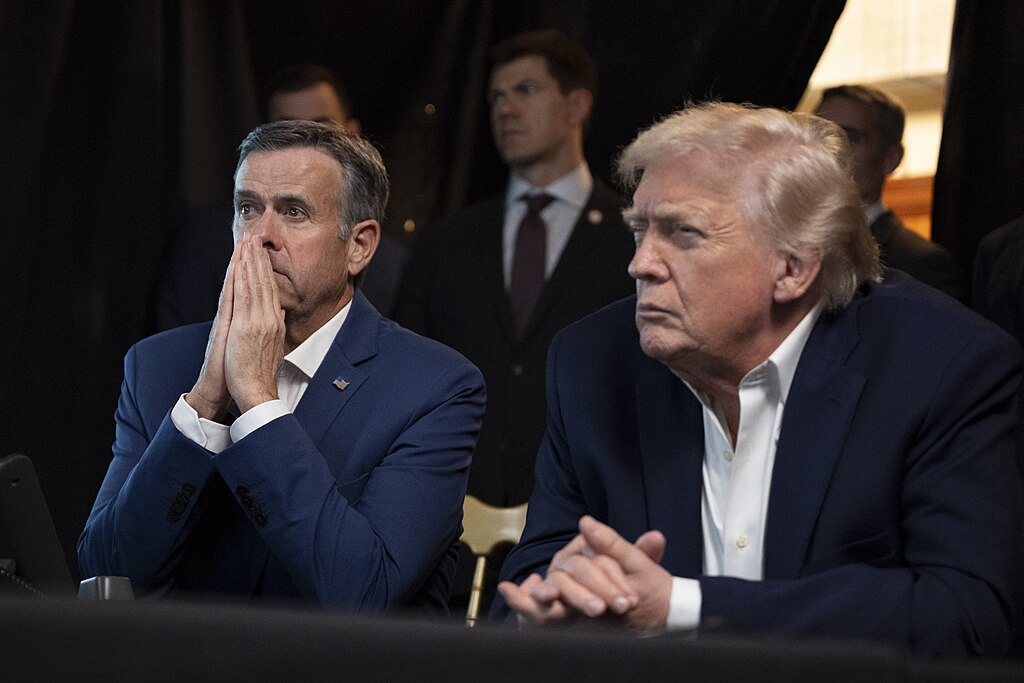
The U.S. Senate is preparing for a closely watched vote on a war powers resolution that would prevent President Donald Trump from taking further military action against Venezuela without explicit congressional authorization. Supporters of the measure believe it has a realistic chance of passing, following a narrow 49–51 vote on a similar resolution just months ago.
The vote comes days after U.S. forces captured Venezuelan President Nicolás Maduro during a high-profile military operation in Caracas. That action followed months of escalating U.S. military pressure, including attacks on Venezuelan boats off the country’s coast. Lawmakers are now questioning whether the administration misled Congress about its intentions, especially after previously stating it did not plan regime change or direct strikes on Venezuelan territory.
Republican Senator Rand Paul of Kentucky, who is co-sponsoring the resolution alongside Democratic Senator Tim Kaine of Virginia, said several Republicans who opposed the measure in the past are reconsidering their position. While Republicans hold a 53–47 majority in the Senate, even a small shift could change the outcome. Concerns about the cost, scope, and duration of U.S. involvement in Venezuela appear to be driving this reassessment.
If the Senate approves the resolution, it would mark a significant victory for lawmakers asserting Congress’s constitutional authority over war powers. However, major obstacles remain. The measure would still need approval from the Republican-controlled House of Representatives and would likely face a presidential veto, requiring a two-thirds majority in both chambers to become law.
Opponents argue that the capture of Maduro was a law enforcement operation rather than a military campaign and maintain that the president retains broad authority as commander-in-chief to conduct limited actions for national security. Supporters counter that ongoing strikes, oil seizures, and statements about U.S. control of Venezuela indicate a broader military engagement that demands congressional approval.
The upcoming vote underscores growing bipartisan tension over executive military authority and U.S. policy toward Venezuela.













