


 UN Warns of Looming Human Rights Catastrophe in Sudan’s Al-Obeid
  HSBC Australia Faces A$35M Penalty Over Scam Protection Failures
  Khamenei Funeral Draws Massive Crowds as Iran’s New Supreme Leader Remains Absent
  Texas Man Charged After Fatal Tesla Full Self-Driving Crash in Katy
  DOJ Sues Virginia Over Law Enforcement Mask Ban
  Israeli Airstrike Kills Two in Gaza City as Ceasefire Violations and Truce Talks Persist
  Air Force Investigates Officer After Capitol Protest Calling for Trump, Vance Impeachment
  Amy Coney Barrett Faces Conservative Backlash After Key Supreme Court Rulings Against Trump
  Frank Stronach Found Guilty of Sexual Assault and Indecent Assault in Ontario Court
  ICC Judges Sue Trump Administration Over Sanctions, Calling Measures Unlawful
  Russian Attacks Kill Six Across Ukraine as Kyiv Mourns Deadly Strike
  Michigan Senate Race Narrows as Mallory McMorrow Ends Democratic Campaign
  South Korea Ex-President Yoon Suk Yeol Sentenced to 30 Years Over Martial Law Plot
  Pedro Sanchez’s Wife Ordered to Stand Trial in Spain Corruption Case
  US Supreme Court Strikes Down Hawaii Gun Carry Law on Private Property
  Moody’s Says Peru’s President-Elect Keiko Fujimori Could Boost Investor Confidence


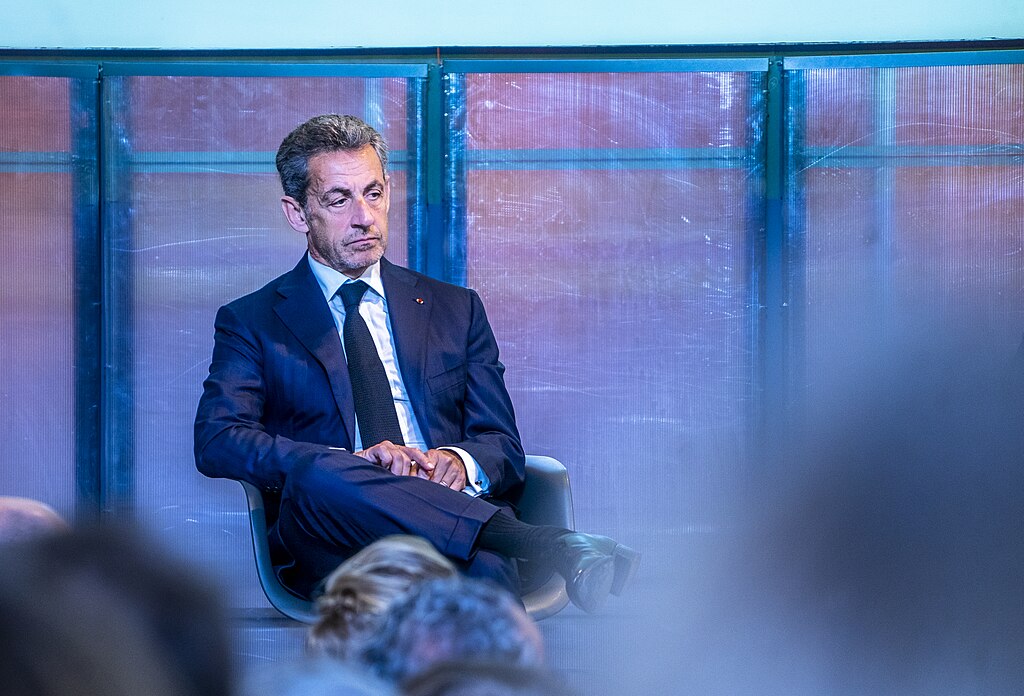
Former French President Nicolas Sarkozy will soon learn his fate in a high-profile corruption trial over allegations he received millions of euros from late Libyan leader Muammar Gaddafi to finance his 2007 presidential campaign. French prosecutors have requested a seven-year prison sentence for Sarkozy, who governed France from 2007 to 2012. If convicted, the 70-year-old can appeal, which would temporarily suspend his sentence.
The trial, which began in January, centers on charges of concealing embezzled public funds, passive corruption, illegal campaign financing, and criminal conspiracy. Investigators allege that Sarkozy made a secret pact with Gaddafi’s regime, with cash deliveries in suitcases reportedly transported to Paris. The case has drawn global attention due to its alleged involvement of Libyan intelligence agents, arms dealers, and even a convicted terrorist. Sarkozy has strongly denied the accusations, calling the trial politically motivated.
Despite his legal troubles, Sarkozy remains a significant figure in French politics. Even after being stripped of the prestigious Legion of Honour in June, he has continued to wield influence. Recently, he met with Prime Minister Sebastien Lecornu, once his protégé, and gave credibility to Marine Le Pen’s far-right National Rally by stating the party now belongs to France’s “republican arc.”
This is not Sarkozy’s first encounter with the law. Last year, France’s highest court upheld a separate corruption conviction, requiring him to serve a year with an electronic monitoring tag—an unprecedented penalty for a former French head of state. That tag has since been removed. In addition, an appeals court confirmed another conviction over illegal campaign financing tied to his failed 2012 re-election bid.
As Sarkozy awaits the ruling in the Libya case, the outcome could redefine his political legacy. While supporters view him as a victim of judicial overreach, critics argue his repeated convictions highlight systemic abuse of power at the highest levels of government.







