


 U.S. Senate Greenlights AI Chatbots for Official Staff Use
  U.S.-Israel War on Iran Sends Crude Oil Prices Surging Amid Strait of Hormuz Tensions
  Trump-Putin Call Addresses Iran War, Ukraine Peace, and Global Oil Crisis
  Asian Currencies Face Pressure as U.S.-Iran Conflict Weighs on Markets
  U.S. Solar Market Contracts in 2025 as Trump Rolls Back Renewable Energy Incentives
  Taiwan's MQ-9B SkyGuardian Drone Order Stays on Schedule Despite Middle East Conflict
  IEA Plans Record Emergency Oil Release Amid Iran Strait of Hormuz Crisis
  Ukraine Strikes Russian Missile Component Factory in Bryansk Using British Weapons
  FBI Warns of Possible Iranian Drone Attacks on California Amid U.S.-Iran War
  Trump Doubts Iran Mining Reports as Strait of Hormuz Tensions Escalate
  IEA Releases Record 400 Million Barrels of Oil Amid U.S.-Iran War
  RBA Rate Decision: Deputy Governor Signals Genuine Debate Ahead of March Meeting
  Asian Markets Retreat as Oil Prices Surge Toward $100 Amid Middle East Tensions
  Iran-Israel War Sparks Global Oil Crisis as Tankers Burn in Gulf Waters
  U.S. Futures Slide as Oil Prices Surge on Middle East Shipping Attacks
  Bank of Japan Expected to Hold Rates at 0.75% Before June Hike Amid Middle East War Uncertainty
  Gold Prices Climb Above $5,200 as Iran War Uncertainty and Inflation Data Loom


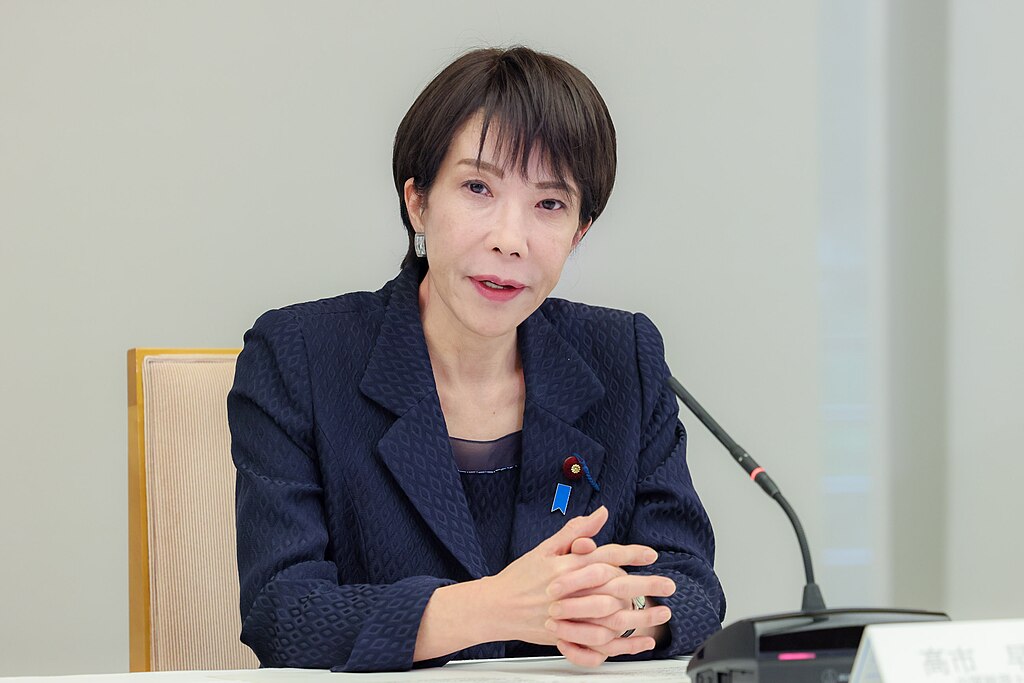
Japanese Prime Minister Sanae Takaichi is preparing to defend her “proactive” fiscal policies as parliament begins deliberations on her flagship spending and tax cut plans next week. While Takaichi has pledged to boost investment and suspend the 8% consumption tax on food for two years, investors remain cautious about how Japan will fund these measures amid the world’s highest debt-to-GDP ratio among developed economies.
Financial markets have stabilized following her recent election victory, but concerns persist over potential increases in Japanese government bond (JGB) issuance. Earlier market volatility pushed bond yields higher and weakened the yen, reflecting investor anxiety about expanded public spending. Takaichi has since emphasized fiscal sustainability, stating that maintaining market trust and steadily reducing Japan’s debt-to-GDP ratio are key priorities.
The International Monetary Fund (IMF) recently urged Japan to keep any consumption tax cuts targeted and temporary, warning that high and persistent public debt leaves the economy vulnerable to shocks. Analysts also caution that combining higher spending with tax reductions could stoke inflation if not carefully managed.
Despite her reputation as a fiscal dove and supporter of loose monetary policy, Takaichi has softened her tone, expressing hope that the Bank of Japan will sustainably achieve its 2% inflation target alongside wage growth, without directly pressuring for prolonged low interest rates.
Japan’s fiscal 2026 budget, drafted during recent market turbulence, suggests restraint. Although the total budget reached a record $783 billion, new bond issuance remained below 30 trillion yen for the second consecutive year, reducing reliance on fresh debt to its lowest level in decades. The primary deficit for 2025 is projected to be smaller than pre-pandemic levels and among the lowest in the G7.
Takaichi argues that Japan’s stagnant growth stems from insufficient domestic investment rather than government under-spending. By coordinating with the private sector, she aims to strengthen economic resilience while balancing fiscal responsibility—bridging the gap between market perception and policy reality.













