


 Goldman Sachs Raises ECB Rate Hike Forecast Amid Persistent Energy-Driven Inflation
  Elon Musk Announces Terafab: SpaceX and Tesla to Build Dual AI Chip Factories in Austin, Texas
  CK Hutchison's Panama Ports Dispute Escalates as Arbitration Claims Surpass $2 Billion
  Taiwan Arms Deal on Track Despite U.S.-China Summit Uncertainty
  Gold Prices Climb as Middle East Ceasefire Talks Stir Market Optimism
  FEMA Reinstates $1 Billion Disaster Prevention Grant Program After Court Order
  Trump Votes by Mail Despite Calling It "Cheating" as Democrat Wins Mar-a-Lago District
  Australia-EU Free Trade Deal Signed After Years of Negotiations
  Trump to Visit China in May for High-Stakes Xi Summit Amid Iran War
  OpenAI Pulls the Plug on Sora, Ending $1 Billion Disney Partnership
  Russia-Iran Military Alliance Deepens With Drone Shipments Amid Middle East Tensions
  U.S. Futures Slide as Iran Denies Nuclear Talks with Washington
  Pakistan's Diplomatic Rise: Mediating U.S.-Iran Peace Talks
  Iran-U.S. Negotiations: Tehran Reviews American Peace Proposal Amid Ongoing Gulf Conflict
  Middle East War Rattles Global Markets as Oil Tops $100 and Dollar Surges
  Asian Markets Rally as Oil Prices Tumble and Middle East Peace Hopes Emerge


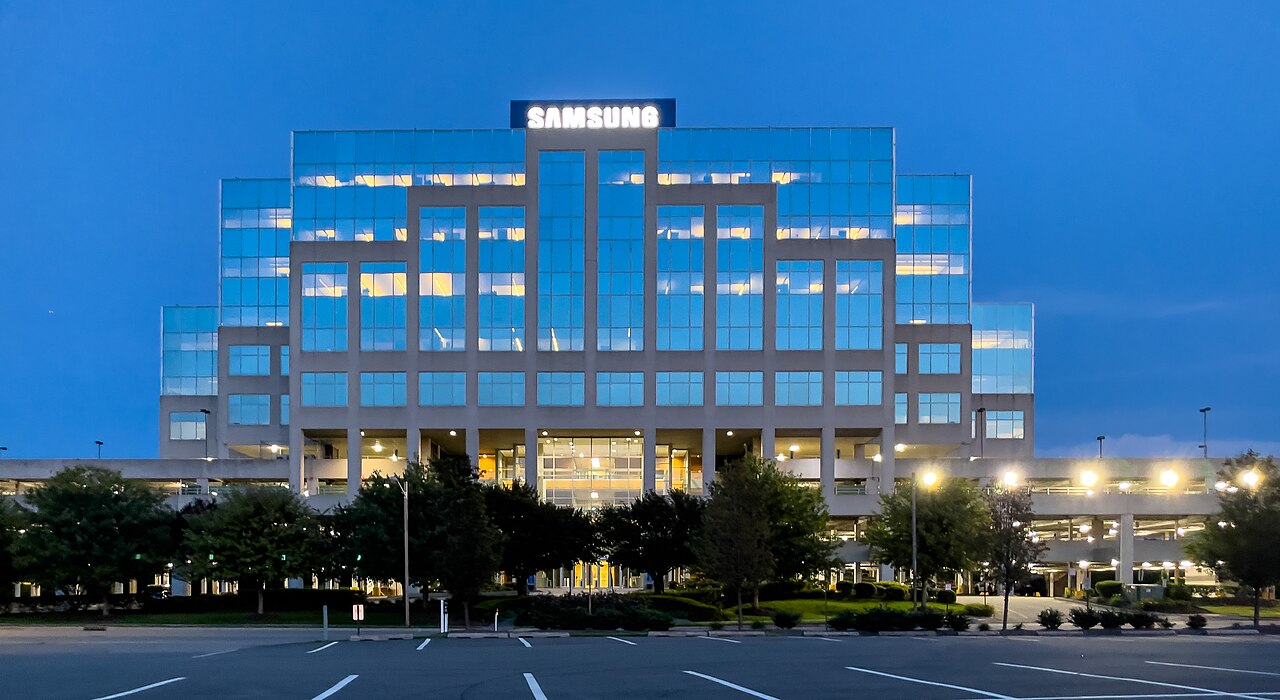
Samsung Electronics is grappling with rising trade tensions as U.S. President Donald Trump’s tariff policies threaten the company’s heavy reliance on Vietnam for smartphone production. During a July meeting, Chairman Jay Y. Lee reaffirmed Samsung’s long-term investment in Vietnam, which now manufactures 60% of its global smartphone output—many destined for the U.S., where Samsung is the second-largest smartphone brand.
However, Trump’s proposed tariffs of up to 46% on Vietnamese goods have alarmed Samsung and its suppliers. A temporary 90-day reprieve, setting the rate at 10%, has bought time for negotiations, but uncertainty looms. Vietnam’s $120 billion trade surplus with the U.S. has made it a target, with hopes of lowering tariffs to 22–28%. Reuters sources say Samsung is evaluating alternatives, including boosting production in India or South Korea—though both require costly adjustments.
This tariff threat comes amid growing concerns about Vietnam’s manufacturing environment. Rising labor costs, stricter tax regulations, and power shortages have eroded the country’s cost advantages. Economists suggest India could benefit as companies seek stable alternatives. Samsung, whose exports made up 15% of Vietnam’s total in 2024, is reportedly considering shifting U.S.-bound production to its Gumi facility in South Korea.
Vietnam’s appeal as a low-cost manufacturing hub is diminishing, especially for tech giants like Samsung and Apple. Apple faces even steeper tariffs—up to 145%—on iPhones imported from China. As tensions rise, foreign manufacturers are adopting a cautious “wait and see” stance, with potential workforce reductions already under discussion.
Samsung has not officially commented, but employees like Nguyen Thi Hao, a worker at its Thai Nguyen plant, fear job cuts as trade talks unfold. The evolving situation could reshape global tech supply chains and shift manufacturing power dynamics in Asia.













