


 Fast Retailing Raises Full-Year Forecast After Uniqlo Owner Beats Q3 Profit Estimates
  Genesis Minerals to Acquire Vault in A$5.6 Billion Deal After Regis Withdraws
  Elon Musk Says Anthropic Leads AI Race as Claude Models Challenge OpenAI
  Kitron Q2 Revenue Beats Estimates as Defense Demand Lifts Growth
  Samsung Chairman Lee Jae-yong Expected to Meet Nvidia CEO Jensen Huang on AI and Chip Partnership
  Samsung to Launch First Yongin Chip Plant by 2029 as South Korea Speeds Up Semiconductor Hub
  SoftBank Corp Partners With Sierra to Expand AI Customer Support Across Japan
  Deutsche Bank Fined A$2 Million by ASIC Over OTC Derivatives Reporting Errors
  SK Hynix Prices Record U.S. ADR Offering at $149 After $200 Billion Investor Demand
  Morgan Stanley Names Marks & Spencer Top European Retail Pick, Sees Strong Upside
  Levi Strauss Raises 2026 Outlook After Q2 Earnings Beat, Shares Drop Despite Strong Results
  Stellantis Q2 Vehicle Shipments Rise 10% as North America Drives Growth
  Nvidia Tightens AI Chip Sales in Asia With Stricter Customer Approval Process
  SK Hynix Soars 13% in Nasdaq Debut After Record $26.5 Billion IPO
  UBS Starts CarTrade Tech With Buy Rating, Sees Strong Earnings Growth and ₹4,000 Target
  Oppenheimer Sees CNH Industrial as Top 2026 Agriculture Stock Pick on Dealer Consolidation Strategy
  AstraZeneca Shares Sink After Wainua Trial Misses Key Heart Disease Goal


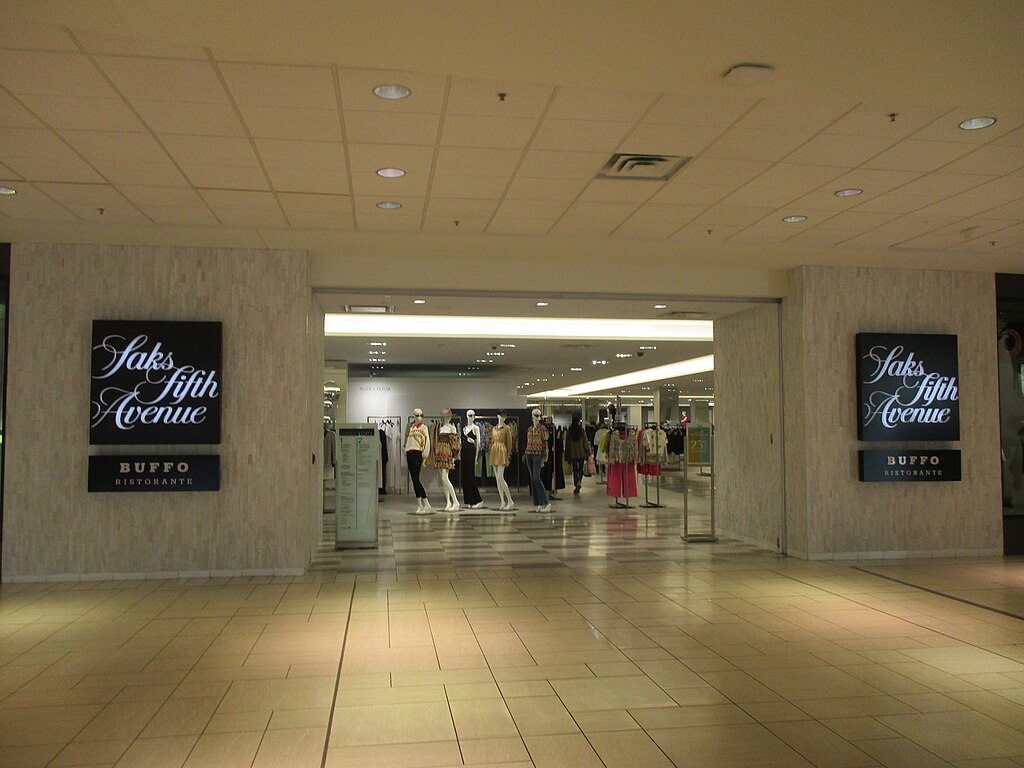
Saks Global, the parent company of luxury department store brands including Saks Fifth Avenue and Neiman Marcus, is reportedly considering Chapter 11 bankruptcy as a last-resort option as it faces mounting financial pressure. According to a Bloomberg News report citing people familiar with the situation, the company has limited options ahead of a debt payment exceeding $100 million due by the end of this month.
The luxury retail group is actively exploring multiple strategies to boost liquidity, including raising emergency financing and selling assets. A spokesperson for Saks Global confirmed that the company is evaluating all potential paths to ensure long-term stability, underscoring the seriousness of the situation without confirming a bankruptcy filing.
Recent discussions among Saks Global lenders have focused on assessing the company’s cash needs, with particular attention on the possibility of a debtor-in-possession loan. This type of financing is commonly used during Chapter 11 bankruptcy proceedings to allow companies to continue operations while restructuring debt. These talks have reportedly been held on a confidential basis, highlighting lender concerns about near-term liquidity.
Saks Global has also been working to reduce its debt load through asset sales. In September, a company spokesperson told Reuters that Saks was considering selling a minority stake in Bergdorf Goodman, its iconic luxury retailer, as part of efforts to strengthen its balance sheet.
The company’s challenges are unfolding amid broader weakness in the U.S. luxury retail market. Persistent inflation, a softer labor market, and cautious consumer spending have weighed on demand for non-essential and high-end goods, making it harder for luxury retailers to drive sales growth.
Saks Global was formed in July of last year by Hudson’s Bay Company following its $2.65 billion acquisition of Neiman Marcus. The deal combined Saks Fifth Avenue, Neiman Marcus, and several luxury retail and real estate assets to better compete with rivals such as Nordstrom, Bloomingdale’s, and Macy’s. The acquisition was financed through a mix of shareholder funds and significant debt, including $1.15 billion from Apollo Global Management and $2 billion from a syndicate of Wall Street banks, contributing to the financial strain the company now faces.







