


 Gold and Silver Prices Rebound After Volatile Week Triggered by Fed Nomination
  Japanese Pharmaceutical Stocks Slide as TrumpRx.gov Launch Sparks Market Concerns
  South Africa Eyes ECB Repo Lines as Inflation Eases and Rate Cuts Loom
  Bank of Japan Signals Readiness for Near-Term Rate Hike as Inflation Nears Target
  U.S. Stock Futures Slide as Tech Rout Deepens on Amazon Capex Shock
  China Extends Gold Buying Streak as Reserves Surge Despite Volatile Prices
  Asian Stocks Slip as Tech Rout Deepens, Japan Steadies Ahead of Election
  Trump Endorses Japan’s Sanae Takaichi Ahead of Crucial Election Amid Market and China Tensions
  India–U.S. Interim Trade Pact Cuts Auto Tariffs but Leaves Tesla Out
  U.S.-India Trade Framework Signals Major Shift in Tariffs, Energy, and Supply Chains
  Singapore Budget 2026 Set for Fiscal Prudence as Growth Remains Resilient
  Vietnam’s Trade Surplus With US Jumps as Exports Surge and China Imports Hit Record
  Russian Stocks End Mixed as MOEX Index Closes Flat Amid Commodity Strength
  Dow Hits 50,000 as U.S. Stocks Stage Strong Rebound Amid AI Volatility
  RBI Holds Repo Rate at 5.25% as India’s Growth Outlook Strengthens After U.S. Trade Deal
  Japan Economy Poised for Q4 2025 Growth as Investment and Consumption Hold Firm
  Trump Signs Executive Order Threatening 25% Tariffs on Countries Trading With Iran


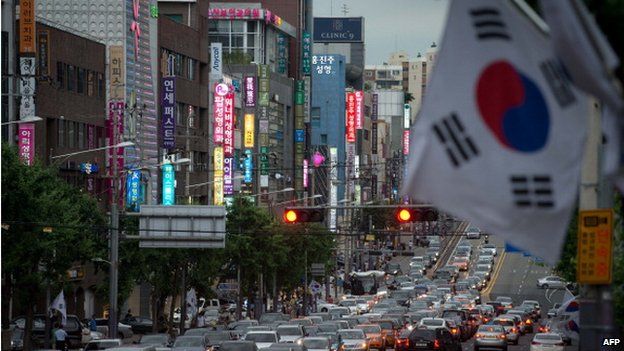
South Korea’s economy shrank one percent last year, marking the first annual contraction in 22 years, as the pandemic shuttered service industry jobs and curtailed spending.
It was in1998 when the country's economy last suffered a drop, which was caused by the financial crisis.
The one percent contraction was unchanged from the bank's earlier estimate.
However, the economy grew 1.2 percent in the fourth quarter from the third quarter, which was 0.1 percent higher than expected.
A 5.2 percent surge in exports, following a 16.0 percent increase in the third quarter, fueled the fourth-quarter growth.
Meanwhile, private consumption and facility investment dropped 1.5 and 2.0 percent, respectively.
The Bank of Korea expects South Korea’s economy to recover modestly recovery this year driven by exports. But the job market would have a longer recovery period due to the pandemic's impact on services industries such as transportation and restaurants.













