


 Lake beds are rich environmental records — studying them reveals much about a place’s history
  OpenAI Urges US-Led Global Standards for Frontier AI
  Swimming in the sweet spot: how marine animals save energy on long journeys
  CNN, MS NOW and Politico Sue Trump Over White House Media Ban
  How is Antarctica melting, exactly? Crucial details are beginning to come into focus
  US Dollar Hits Two-Month High as Fed Rate Hike Bets Rise
  China Reviews Broadcom Switch Use in State Data Centres
  South Korea, US Discuss Warship Building Cooperation
  Tencent Launches TenPayGo Payment App for Foreign Tourists in China
  Fungi are among the planet’s most important organisms — yet they continue to be overlooked in conservation strategies
  Wildfires ignite infection risks, by weakening the body’s immune defences and spreading bugs in smoke
  Gold Prices Fall as Treasury Yields Rise on Fed Rate Hike Bets
  RBI Uses $10 Billion Currency Swaps to Drain Excess Rupee Liquidity
  Meta Connect Spotlights Camera-Free Smart Glasses Amid Privacy Concerns


 Add as a preferred source on Google
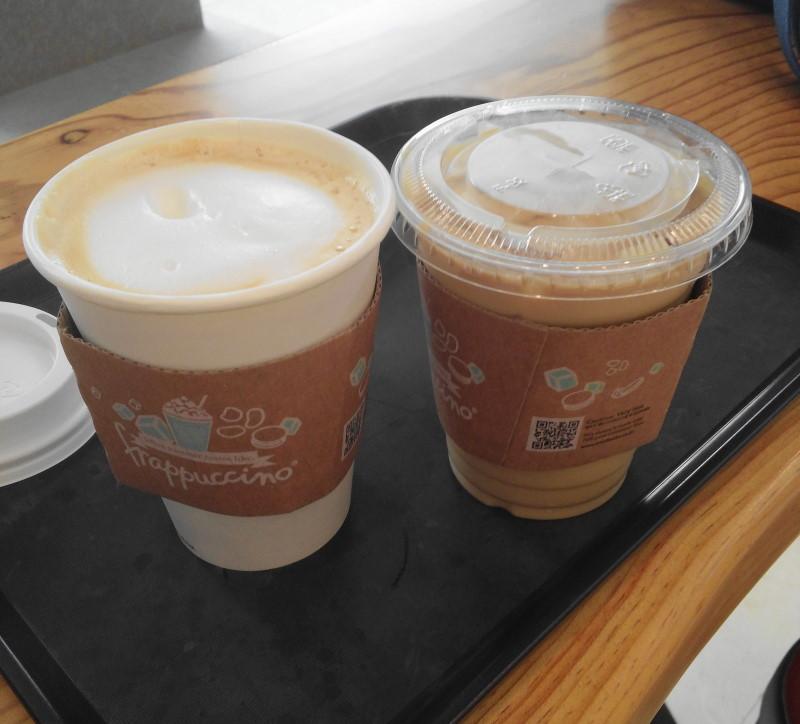
South Korea will require a deposit between 200 won and 500 won per drink in a disposable cup purchased at coffee shops and fast-food chains starting on June 10.
The purchaser will get back the deposit upon return of the used cups to the stores for recycling.
The environment ministry noted that the requirement is part of efforts to reduce plastic waste spiking amid the pandemic.
Around 38,000 cafes and fast-food restaurants across South Korea are covered by the rule under the government’s decision to apply the system to firms with more than 100 branches.
Eateries will be banned from using disposable cups at stores and are encouraged to reuse items for deliveries.
Starting November 24, big stores, supermarkets, convenience stores, and bakeries will be prohibited from using plastic bags.
The measures are part of South Korea’s effort to achieve carbon neutrality and move toward a sustainable circular economy.







