


 Extreme heat, flooding, wildfires – Colorado’s formerly incarcerated people on the hazards they faced behind bars
  Mexico-US Trade Talks Delayed to October as Tariff Negotiations Continue
  South Korea, US Discuss Warship Building Cooperation
  Burkina Faso and Mali’s fabulous flora: new plant life record released
  Trump Signs Executive Order to Boost AI Research in Childhood Cancer
  SpaceX Pivots Toward Moon City as Musk Reframes Long-Term Space Vision
  Thousands of satellites are due to burn up in the atmosphere every year – damaging the ozone layer and changing the climate
  Paramount-Warner Bros $110 Billion Deal Draws Antitrust Backlash
  Fungi are among the planet’s most important organisms — yet they continue to be overlooked in conservation strategies
  What’s so special about Ukraine’s minerals? A geologist explains
  Oil Prices Surge as U.S.-Iran Diplomacy Hopes Fade
  How is Antarctica melting, exactly? Crucial details are beginning to come into focus
  European Stocks Fall as Bond Yields and Geopolitical Risks Weigh
  Oil Prices Ease as Iran Tensions Clash With Diplomacy Hopes
  Drug pollution in water is making salmon take more risks – new research
  Goldman Sachs Names Simon Lyons UK Investment Banking Co-Head


 Add as a preferred source on Google
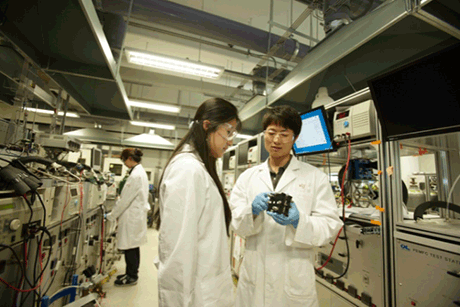
The Korea Institute of Science and Technology has developed a technology that uses photovoltaic energy for producing hydrogen peroxide, replacing a thermochemical process that requires high energy and creates environmental issues.
The thermochemically produced organic solution was used by the study team to create a photocatalytic reaction solution, which improved the photocatalyst's capacity for oxygen reduction.
The research team employed solar energy to manage the photocatalyst and organic solution, and they were able to produce 5.3 percent hydrogen peroxide per unit hour and a gram of photocatalyst, which is five times more than the minimal industrial output standard.







