


 Trump Lifts 25% Tariff on Indian Goods in Strategic U.S.–India Trade and Energy Deal
  Dow Hits 50,000 as U.S. Stocks Stage Strong Rebound Amid AI Volatility
  UK Starting Salaries See Strongest Growth in 18 Months as Hiring Sentiment Improves
  Japanese Pharmaceutical Stocks Slide as TrumpRx.gov Launch Sparks Market Concerns
  Vietnam’s Trade Surplus With US Jumps as Exports Surge and China Imports Hit Record
  U.S. Stock Futures Slide as Tech Rout Deepens on Amazon Capex Shock
  Japan Economy Poised for Q4 2025 Growth as Investment and Consumption Hold Firm
  Gold and Silver Prices Rebound After Volatile Week Triggered by Fed Nomination
  Oil Prices Slip as U.S.-Iran Talks Ease Middle East Tensions
  Trump Signs Executive Order Threatening 25% Tariffs on Countries Trading With Iran
  Global Markets Slide as AI, Crypto, and Precious Metals Face Heightened Volatility
  China Extends Gold Buying Streak as Reserves Surge Despite Volatile Prices
  U.S.-India Trade Framework Signals Major Shift in Tariffs, Energy, and Supply Chains
  Yen Slides as Japan Election Boosts Fiscal Stimulus Expectations
  South Africa Eyes ECB Repo Lines as Inflation Eases and Rate Cuts Loom
  India–U.S. Interim Trade Pact Cuts Auto Tariffs but Leaves Tesla Out


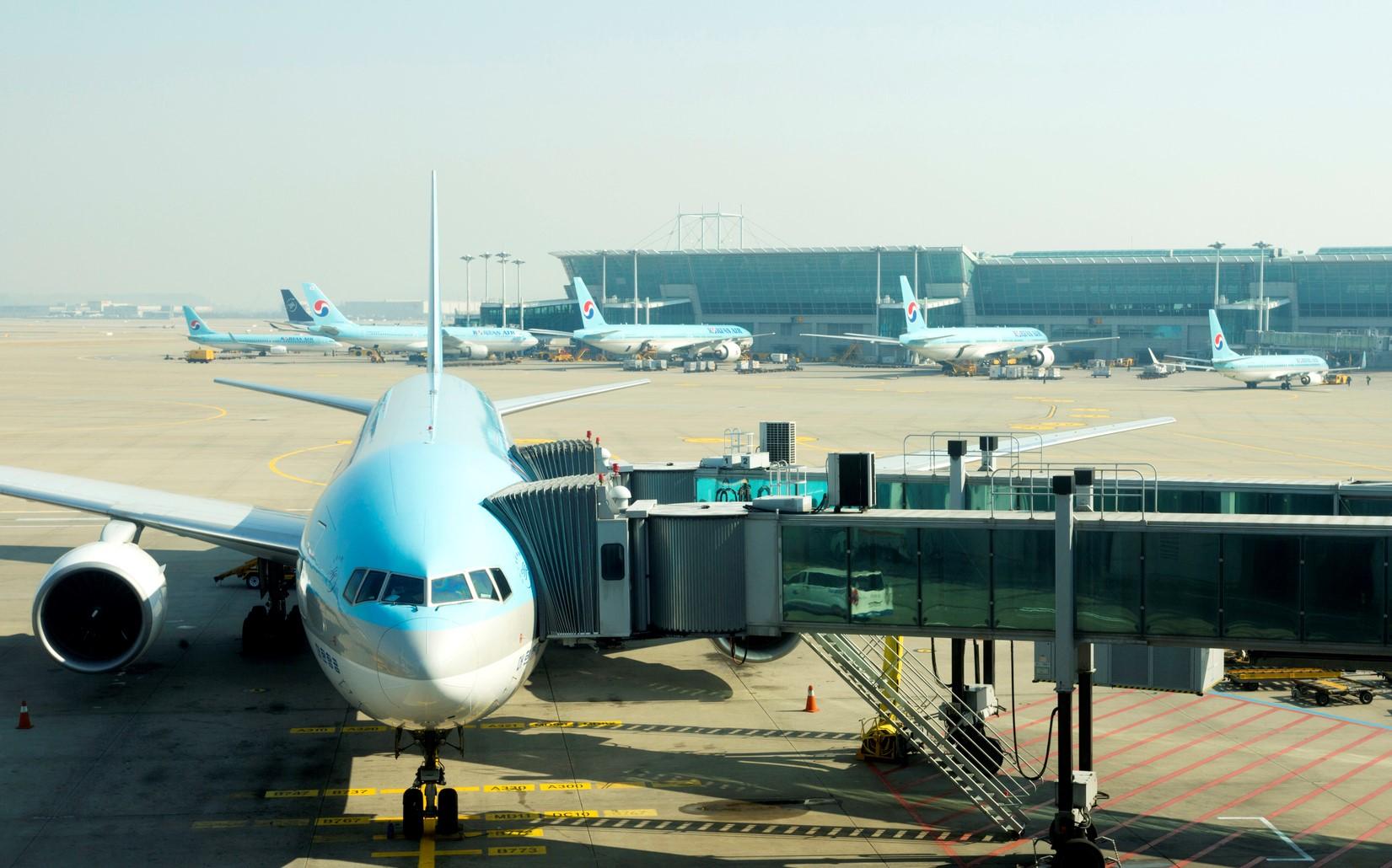
South Korean airlines will not impose fuel surcharges on international routes for the sixth consecutive month in September, raising expectations the trend would further continue.
The zero rates also apply to one-way tickets.
No fuel surcharges will also be applied on domestic routes for five months, beginning in September due to the pandemic's effects.
South Korean airlines are allowed to impose fuel surcharges the following month after the average jet fuel price on the Singapore spot market surpassed US$1.50 per gallon.
According to analysts, it is unlikely that the zero-rate surcharge would positively impact air travel demand or increase airlines' sales due to the health crisis.
The pandemic-induced lockdowns have forced air carriers to suspend most international flights.













