


 Unsustainable – or manageable? We don’t yet know how data centres will impact Australia’s environment
  US 10-Year Treasury Yield at 6% Emerges as New Market Risk Threshold
  Wall Street Falls as Treasury Yields Surge, Oil Rebounds on Iran Tensions
  South Korea, US Discuss Warship Building Cooperation
  Meta Partners With Shopify to Bring Shop Pay Checkout to Muse AI
  Drug pollution in water is making salmon take more risks – new research
  China Vanke Shares Jump as Beijing Moves to Ease Debt Pressure
  Paramount-Warner Bros $110 Billion Deal Draws Antitrust Backlash
  Mercedes-Benz Eyes €800 Million Labor Cost Cuts in Germany
  Australia Unemployment Hits Five-Year High Despite Strong Jobs Growth
  Rise of the Zombie Bugs takes readers on a jaw-dropping tour of the parasite world
  U.S. 10-Year Treasury Yield Hits 2007 High as Fed Rate Hike Bets Rise
  Tencent Launches TenPayGo Payment App for Foreign Tourists in China
  Extreme heat, flooding, wildfires – Colorado’s formerly incarcerated people on the hazards they faced behind bars
  Oil Prices Surge as U.S.-Iran Diplomacy Hopes Fade


 Add as a preferred source on Google
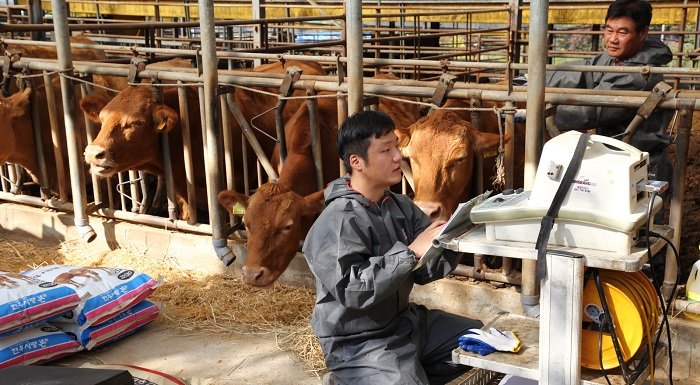
South Korea's Ministry of Agriculture, Food and Rural Affairs will invest about 10 billion won over the next three years to conduct a trial of cow breeding methods aimed at reducing greenhouse gases generated during the process.
The feeding trial program would be for roughly 600 calves at a farm run by the National Agricultural Cooperative Federation in Anseong, Gyeonggi Province, based on the genetic trait, breeding season, and nutritional level.
The length of the cow breeding time has increased over the last 20 years, and farmers have become more reliant on feed grain, making the breeding procedure more expensive.
The fattening cow breeding time was prolonged from around 23 months in 2000 to about 30 months in 2020, increasing excrement and greenhouse gas emissions.
The ministry hopes to build an appropriate breeding model as well as reduce the slaughter age of cows from 30 to 24 months with this program.
If the breeding season is shortened, the number of greenhouse gases produced per cow can be lowered to around 75 percent of what it is now. Furthermore, the cost of feeding a cow can be decreased by roughly 1 million won.







