


 South Korea Ballot Shortage Sparks Protests, Election Fraud Claims, and Calls for Rerun
  Trump Administration Plans Deportation of Iranian Migrants to Central African Republic Under New Third-Country Deal
  South Korea Ex-President Yoon Suk Yeol Sentenced to 30 Years Over Martial Law Plot
  US-Iran Peace Deal Nears as Tehran and Pakistan Signal Breakthrough
  Lebanon Resists Iran Pressure as Israel-Hezbollah Ceasefire Talks Stall
  U.S.-Iran Peace Talks Continue Despite Escalating Military Strikes
  Carney and Macron Strengthen Canada-France Defense Ties Amid US Trade Uncertainty
  North Korea Slams U.S. Missile Sale to South Korea, Warns of Rising Regional Tensions
  Trump Names James McDonald as New SDNY U.S. Attorney
  Kremlin Says New EU Sanctions Won’t Hurt Russian Banks
  US Plans NATO Force Reduction in Europe Amid Defense Burden Dispute
  KMT Chair Cheng Li-wun Defends Taiwan-China Engagement During U.S. Visit
  Xi’s North Korea Visit Strengthens Ties and Elevates Kim Jong Un’s Global Standing
  Trump Says U.S.-Iran Deal Could Be Signed Sunday as Tehran Signals More Talks Needed
  FBI Faces Historic Security Challenge Ahead of 2026 FIFA World Cup
  IMF Advances Ukraine Loan Program, Clears $690M Disbursement
  Trump Nominates Jay Clayton as DNI Amid FISA Surveillance Dispute


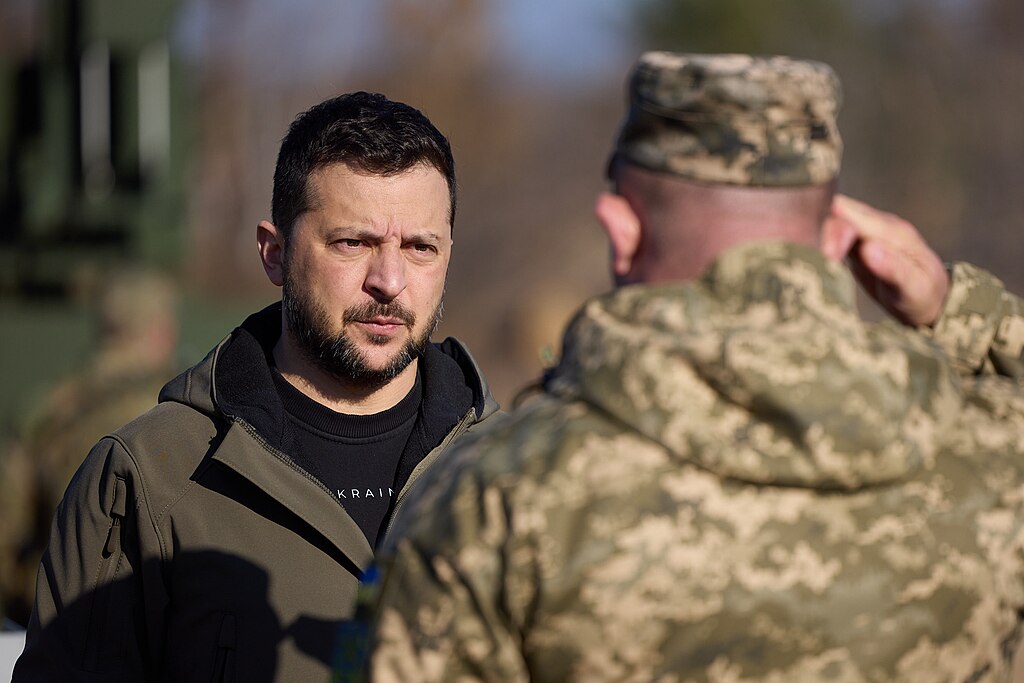
Russia and Ukraine accused each other of targeting civilians during New Year attacks, as the nearly four-year-old war continues amid renewed diplomatic efforts led by U.S. President Donald Trump. The latest exchange of blame comes while both sides attempt to influence international opinion and shape the outcome of ongoing peace discussions.
Ukrainian President Volodymyr Zelenskiy said Russia launched more than 200 attack drones overnight on New Year’s Day, deliberately escalating the conflict during the holiday. Writing on Telegram, he stated that Russia targeted energy infrastructure across seven Ukrainian regions, disrupting power supplies and underscoring Ukraine’s urgent need for stronger air defenses. Zelenskiy emphasized that Kyiv could not afford further delays in receiving military aid, noting that allies were aware of the specific equipment shortages Ukraine faces and expressing hope that agreed U.S. defense support would arrive on time.
Russia, meanwhile, accused Ukraine of carrying out a deadly drone strike on a hotel and café in Khorly, a village in the Russian-controlled part of Ukraine’s southern Kherson region. Russian-installed regional governor Vladimir Saldo claimed at least 24 people were killed, including a child, and around 50 were injured while civilians were celebrating the New Year. Russian officials described the incident as a deliberate attack on civilians and labeled it a war crime, with some alleging victims were burned alive.
Ukraine’s military denied intentionally targeting civilians, maintaining that its strikes focus strictly on military and energy-related objectives. Kyiv did not directly address the claims surrounding the hotel strike. Reuters reported it could not independently verify the Russian allegations or images showing the aftermath of the attack.
The accusations follow additional claims by Moscow that Ukraine attempted to strike a residence linked to President Vladimir Putin, an allegation denied by Ukrainian, European, and U.S. officials. Despite competing narratives, civilian casualties continue to be reported on both sides, including deaths in Ukrainian-held areas of Kherson from Russian shelling and drone attacks.
As hostilities persist, the New Year violence highlights the fragility of the situation and the challenges facing diplomatic efforts to end the war, while both Russia and Ukraine continue to accuse each other of escalating attacks on civilians and critical infrastructure.







