


 Trump Allegedly Sought Airport, Penn Station Renaming in Exchange for Hudson River Tunnel Funding
  Trump Says “Very Good Talks” Underway on Russia-Ukraine War as Peace Efforts Continue
  Nighttime Shelling Causes Serious Damage in Russia’s Belgorod Region Near Ukraine Border
  Trump’s Inflation Claims Clash With Voters’ Cost-of-Living Reality
  Jack Lang Resigns as Head of Arab World Institute Amid Epstein Controversy
  Ohio Man Indicted for Alleged Threat Against Vice President JD Vance, Faces Additional Federal Charges
  Trump Allows Commercial Fishing in Protected New England Waters
  U.S. Announces Additional $6 Million in Humanitarian Aid to Cuba Amid Oil Sanctions and Fuel Shortages
  Trump Signs “America First Arms Transfer Strategy” to Prioritize U.S. Weapons Sales
  Pentagon Ends Military Education Programs With Harvard University
  Trump Backs Nexstar–Tegna Merger Amid Shifting U.S. Media Landscape
  Japan Election 2026: Sanae Takaichi Poised for Landslide Win Despite Record Snowfall
  US Pushes Ukraine-Russia Peace Talks Before Summer Amid Escalating Attacks
  Norway Opens Corruption Probe Into Former PM and Nobel Committee Chair Thorbjoern Jagland Over Epstein Links
  U.S. Lawmakers to Review Unredacted Jeffrey Epstein DOJ Files Starting Monday
  China Warns US Arms Sales to Taiwan Could Disrupt Trump’s Planned Visit


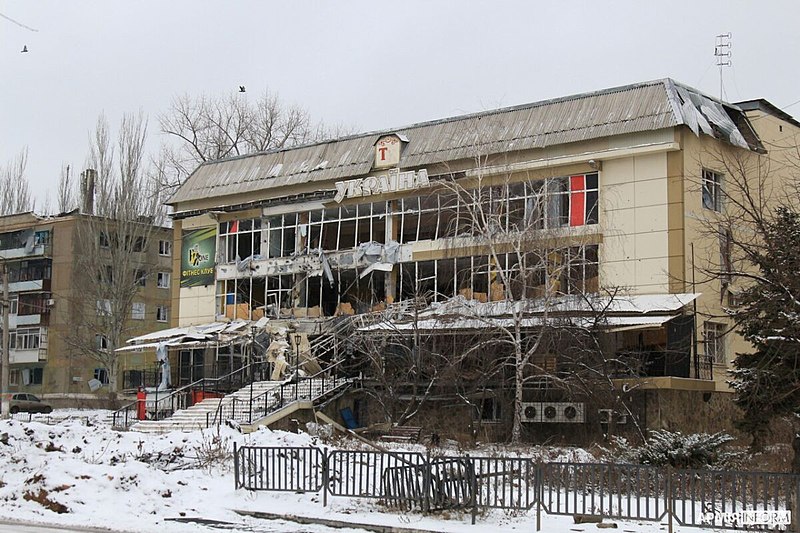
Russia’s invasion of Ukraine has resulted in countries increasing their arms imports due to running tensions with Moscow. A report by a Sweden-based think tank found that Kyiv has become the world’s third-largest arms importer.
The Stockholm International Peace Research Institute published a report on Monday that found that European countries increased their arms imports by 47 percent in a five-year period from 2018 to 2022. The report added that the larger increase in arms imports came from NATO member countries, increasing their imports of major weapons by 65 percent in the same timeframe.
Despite the increases in Europe, global arms imports declined by 5.1 percent. The United States, South Korea, and France were the biggest suppliers to NATO countries in Europe in the past five years. Poland, Germany, the US, and the United Kingdom are the biggest suppliers of major arms to Ukraine following Russia’s invasion last year.
“Even as arms transfers have declined globally, those to Europe have risen sharply due to tensions between Russia and most other European states,” said SIPRI Arms Transfers Program senior researcher Pieter D. Wezeman. “Following Russia’s invasion of Ukraine, European states want to import more arms faster.”
Many of the arms that are being supplied to Ukraine are second-hand items from existing stockpiles, according to the report. This includes around 228 artillery pieces and around 5,000 guided artillery rockets from the United States, 280 tanks from Poland, and over 7,000 anti-tank missiles from the United Kingdom. The report also said the war also had a limited impact on the total volume of arms in the past five years.
Meanwhile, the fighting continues at the key city of Bakhmut in eastern Ukraine, and the British defense ministry said Russian forces are experiencing a worsening shortage of artillery ammunition. The situation, according to the ministry, has worsened to the extent that several Russian forces on the front lines have resorted to rationing their shells. The ministry said that this might likely be the reason why Russia has not been able to succeed in its operational offensives in the region.
The ministry said that Moscow appears to be turning to using old ammunition that has previously been declared unfit for use on the battlefield.













