


 TrumpRx Website Launches to Offer Discounted Prescription Drugs for Cash-Paying Americans
  Elon Musk’s SpaceX Acquires xAI in Historic Deal Uniting Space and Artificial Intelligence
  Prudential Financial Reports Higher Q4 Profit on Strong Underwriting and Investment Gains
  SoftBank Shares Slide After Arm Earnings Miss Fuels Tech Stock Sell-Off
  SpaceX Pushes for Early Stock Index Inclusion Ahead of Potential Record-Breaking IPO
  Baidu Approves $5 Billion Share Buyback and Plans First-Ever Dividend in 2026
  FDA Targets Hims & Hers Over $49 Weight-Loss Pill, Raising Legal and Safety Concerns
  Elon Musk’s Empire: SpaceX, Tesla, and xAI Merger Talks Spark Investor Debate
  Once Upon a Farm Raises Nearly $198 Million in IPO, Valued at Over $724 Million
  American Airlines CEO to Meet Pilots Union Amid Storm Response and Financial Concerns
  SpaceX Prioritizes Moon Mission Before Mars as Starship Development Accelerates
  Tencent Shares Slide After WeChat Restricts YuanBao AI Promotional Links
  Nvidia Confirms Major OpenAI Investment Amid AI Funding Race
  Amazon Stock Rebounds After Earnings as $200B Capex Plan Sparks AI Spending Debate
  Anthropic Eyes $350 Billion Valuation as AI Funding and Share Sale Accelerate
  Alphabet’s Massive AI Spending Surge Signals Confidence in Google’s Growth Engine


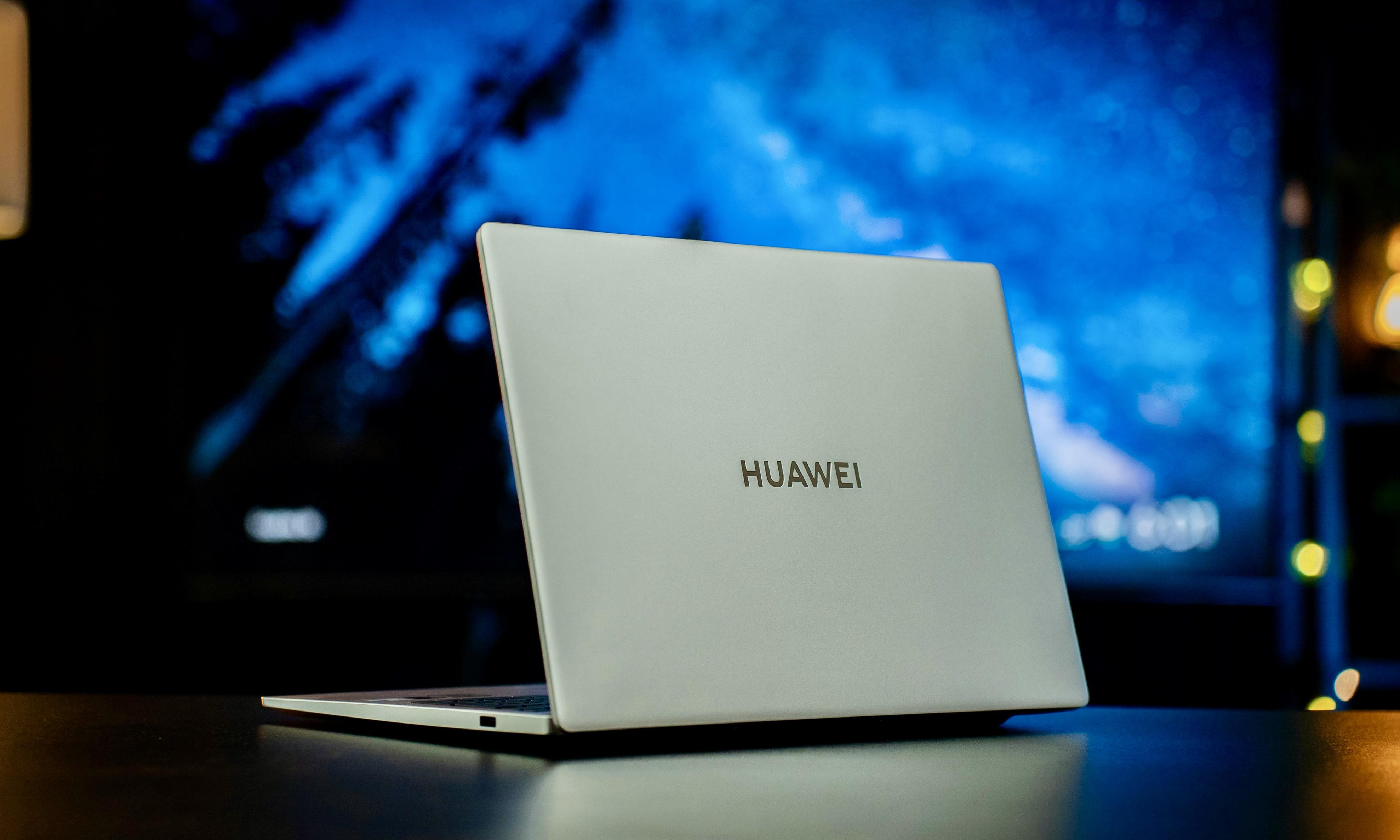
Huawei's chip development team is rumored to be working on a next-generation Kirin CPU that could give Apple's M3 a run for its money. The chip is expected to leverage the innovative Taishan V130 architecture, focusing on multi-threaded performance enhancements.
Huawei's Strategic Advancements in CPU Technology
According to @FixedFocus(via HC Newsroom), a Weibo tipper, the system-on-chip is expected to feature the company's next-generation Mailiang 920 GPU with 10 clusters, a whopping 32GB RAM, and a generous 2TB storage.
This is a significant leap in performance compared to the quad-cluster Mailiang 910 GPU used in the Kirin 9000s. This advancement promises a substantial boost in performance for the new Kirin CPU.

Rivaling Apple's M3: Huawei's Competitive Edge
This leak also suggests that Huawei aims for its upcoming HiSilicon Kirin SoC for client PCs to deliver graphics performance on par with Apple's M2 and multithread performance comparable to Apple's M3, setting high expectations for the new chip.
Huawei's next-generation HiSilicon Kirin CPU is expected to have eight general-purpose Arm cores, including four next-generation high-performance Taishan V130 cores (the Kirin 9000s employs Taishan V120 cores) and four energy-efficient cores.
The Weibo tipper did not specify the precise name of the chip other than to say that it is the "Kirin PC Chip." In any case, the leak asserts that Huawei's HiSilicon could release "Pro" and "Max" configurations of higher-performance Kirin SoCs, including a redesigned GPU, more general-purpose cores, and a more comprehensive memory interface, similar to Apple's offerings.

Huawei's Role in China's Push for Semiconductor Self-Sufficiency
Tom's Hardware shares that building more advanced Kirin CPU variants for desktops and laptops may not be wise for Huawei since the company does not hold the 8%–10% worldwide PC market share that Apple does.
Yet, Huawei's high-performance Kirin CPUs may play a significant role in displacing more expensive AMD and Intel components from PCs used by different government departments as China aims to become self-sufficient in the semiconductor industry.
Photo: Amanz/Unsplash













