


 Taiwan's MQ-9B SkyGuardian Drone Order Stays on Schedule Despite Middle East Conflict
  Trump Announces New U.S. Oil Refinery in Texas with Indian Energy Giant Reliance
  Mexico's Electoral Reform Bill Fails in Congress as Coalition Fractures
  Trump Administration Launches Trade Investigations Against 16 Countries Over Industrial Overcapacity
  Trump Hints at Possible U.S. Takeover of Cuba Amid Deepening Humanitarian Crisis
  Trump Administration Spent $5.6 Billion in Munitions in Opening Days of Iran Strikes
  Russian Drone Strikes Hit Kharkiv and Dnipro, Injuring Over 20 Civilians
  Israel-Iran War: Herzog Urges Patience as U.S. and Israeli Strikes Intensify
  U.S. and Russia Hold Diplomatic Talks in Florida Amid Ongoing Tensions
  Ukraine Strikes Russian Missile Component Factory in Bryansk Using British Weapons
  U.S. Senate Greenlights AI Chatbots for Official Staff Use
  Iran-U.S. Oil Tensions Escalate as Revolutionary Guards Threaten Strait of Hormuz Blockade
  Trump-Putin Call Addresses Iran War, Ukraine Peace, and Global Oil Crisis
  Iran's Government Remains Stable Despite U.S. and Israeli Strikes, Intelligence Shows
  Iran-Israel War Sparks Global Oil Crisis as Tankers Burn in Gulf Waters
  U.S.-Israel War on Iran Sends Crude Oil Prices Surging Amid Strait of Hormuz Tensions
  Iran Mines Strait of Hormuz: Crude Oil Prices Surge Amid Middle East Tensions


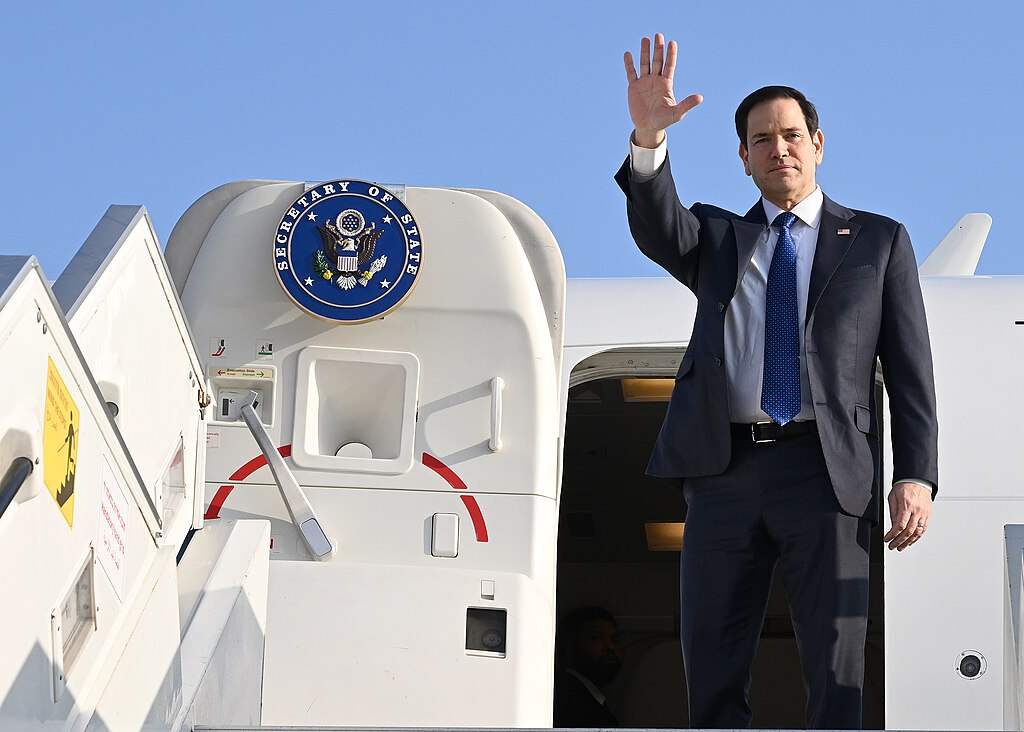
U.S. Secretary of State Marco Rubio described the United States as a “child of Europe” during a closely watched speech at the Munich Security Conference, aiming to reinforce transatlantic unity after a turbulent year in U.S.-Europe relations under President Donald Trump. His remarks sought to reassure European allies concerned about NATO, the war in Ukraine, and shifting global security dynamics.
Speaking before Europe’s top political and security leaders, Rubio stressed that despite rising headlines predicting the end of the transatlantic era, the United States remains committed to its European partners. “For the United States and Europe, we belong together,” he said, emphasizing shared history, democratic values, and cultural ties. His speech received a standing ovation and was welcomed by European Commission President Ursula von der Leyen, who said she felt reassured by his message.
However, Rubio offered few concrete commitments, particularly regarding Russia or the ongoing Ukraine war. The absence of direct references to Moscow raised questions about U.S. strategy as U.S.-brokered peace talks between Ukraine and Russia prepare to resume in Geneva. Ukrainian President Volodymyr Zelenskiy acknowledged pressure from Trump to pursue peace negotiations but warned that discussions of territorial concessions often focus solely on Ukraine rather than Russia.
The conference also addressed heightened tensions within NATO. German Defense Minister Boris Pistorius cautioned that questioning the sovereignty of NATO member states or excluding European allies from critical negotiations could weaken the alliance and embolden adversaries. Concerns have grown following Trump’s past remarks on tariffs and territorial disputes, including Greenland.
Meanwhile, new findings from five European countries allege that Russian opposition leader Alexei Navalny was killed with poison derived from venomous dart frogs while imprisoned. Russia has denied responsibility. Navalny’s widow, Yulia Navalnaya, said the analysis confirms long-held suspicions of poisoning.
Rubio also criticized what he described as the West’s “managed decline,” citing mass migration and climate policy concerns, while calling for renewed strength in Western civilization and stronger U.S.-Europe cooperation in global security and economic stability.













