


 Japan’s Prime Minister Sanae Takaichi Secures Historic Election Win, Shaking Markets and Regional Politics
  Israel Approves West Bank Measures Expanding Settler Land Access
  Trump Backs Nexstar–Tegna Merger Amid Shifting U.S. Media Landscape
  US Pushes Ukraine-Russia Peace Talks Before Summer Amid Escalating Attacks
  U.S. Lawmakers to Review Unredacted Jeffrey Epstein DOJ Files Starting Monday
  TrumpRx.gov Highlights GLP-1 Drug Discounts but Offers Limited Savings for Most Americans
  Trump Congratulates Japan’s First Female Prime Minister Sanae Takaichi After Historic Election Victory
  Federal Judge Restores Funding for Gateway Rail Tunnel Project
  Trump’s Inflation Claims Clash With Voters’ Cost-of-Living Reality
  Jack Lang Resigns as Head of Arab World Institute Amid Epstein Controversy
  Sydney Braces for Pro-Palestine Protests During Israeli President Isaac Herzog’s Visit
  Bosnian Serb Presidential Rerun Confirms Victory for Dodik Ally Amid Allegations of Irregularities
  India–U.S. Interim Trade Pact Cuts Auto Tariffs but Leaves Tesla Out
  Anutin’s Bhumjaithai Party Wins Thai Election, Signals Shift Toward Political Stability
  China Warns US Arms Sales to Taiwan Could Disrupt Trump’s Planned Visit
  Trump Allows Commercial Fishing in Protected New England Waters
  Trump Says “Very Good Talks” Underway on Russia-Ukraine War as Peace Efforts Continue


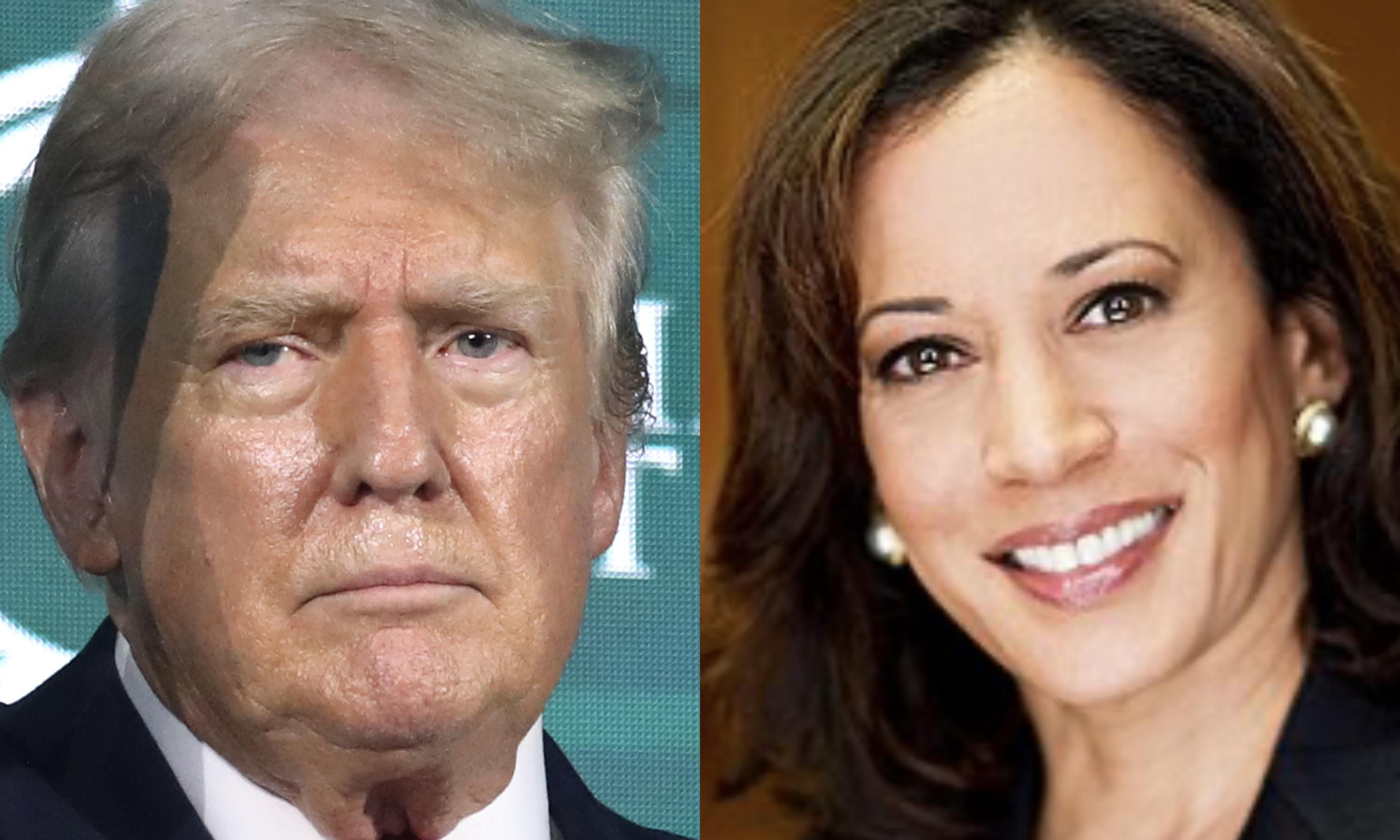
Pennsylvania Republicans are urging the U.S. Supreme Court to intervene and halt the counting of provisional ballots cast by voters who made mistakes on their mail-in ballots. This latest appeal, seen by many as a legal escalation ahead of Election Day, could impact the validity of votes from hundreds of voters statewide, sparking controversy over access to the ballot box and fair vote counting.
The request stems from disputed provisional ballots — a type cast by voters whose original mail-in ballots were rejected due to issues like missing signatures, incorrect dates, or other minor errors. Pennsylvania law allows these voters to cast a provisional ballot at the polls on Election Day to ensure their vote is counted, but Republican challengers are arguing that this process essentially gives voters “a second chance” and should be restricted.
“This is about upholding election integrity,” argued a spokesperson for the Pennsylvania Republican Party. “Voters need to follow the rules from the outset. Provisional ballots are supposed to be used only under exceptional circumstances, not as a safety net for improperly submitted mail-in ballots.” Party officials have claimed that without intervention, the provisional ballot process opens the door to fraud or undue influence, questioning whether voters should get a second opportunity to submit a correct ballot.
The GOP’s petition urges the Supreme Court to step in and uphold what it argues is the proper, lawful standard for counting ballots. Republicans argue that state law is clear on the procedures for mail-in ballots and that the ability to cast provisional ballots could lead to inconsistencies or unfair advantages across precincts. This legal push aims to clarify and standardize the ballot-counting rules to avoid potential discrepancies.
However, the move has drawn sharp criticism from voting rights advocates and Democrats who see the effort as a blatant attempt to suppress votes in a crucial swing state. “Disenfranchising voters over minor mistakes on a mail-in ballot is an attempt to limit voter participation,” said a spokesperson for the Pennsylvania Democratic Party. “Every legal vote should be counted, whether provisional or not, especially in an era where mail-in voting is more common and errors can happen.”
Critics further contend that the GOP’s approach disregards the principles of voter access and fairness, asserting that denying provisional ballots penalizes voters for simple mistakes rather than upholding any meaningful standard of election security.
Election law experts have weighed in, suggesting that the Supreme Court’s involvement in state-specific ballot-counting rules could set a powerful precedent for future elections. “The decision could have a sweeping impact not only for Pennsylvania but for other battleground states with similar laws,” noted Larry Sabato, a political analyst at the University of Virginia. “If the Court decides to limit provisional ballots, it could reshape how mail-in voting and ballot errors are treated nationwide.”
As Election Day approaches, both parties are ramping up legal challenges over ballot-counting procedures in an effort to secure any potential advantage. For Pennsylvania voters, the decision from the Supreme Court could influence which ballots ultimately make it through the final count. While Republicans argue it’s about maintaining the integrity of the election, Democrats insist that the aim is to ensure every vote counts, pushing back against the effort to limit access for voters who may have made minor errors on their mail-in ballots.
The Supreme Court has yet to announce whether it will take up the case, but a ruling could shape the electoral landscape and determine the fate of provisional ballots across Pennsylvania.













