


 Lake beds are rich environmental records — studying them reveals much about a place’s history
  France's 2025 Budget Deficit Shrinks More Than Expected, Easing Fiscal Pressure
  How America courted increasingly destructive wildfires − and what that means for protecting homes today
  U.S. Stock Futures Steady as Iran Reviews U.S. Ceasefire Proposal
  We combed through old botanical surveys to track how plants on Australia’s islands are changing
  Why a ‘rip-off’ degree might be worth the money after all – research study
  Can your cat recognise you by scent? New study shows it’s likely
  Disaster or digital spectacle? The dangers of using floods to create social media content
  Parasites are ecological dark matter – and they need protecting
  How ongoing deforestation is rooted in colonialism and its management practices
  Japan Eyes Oil Futures Intervention to Stabilize Yen Amid Middle East Crisis
  Oil Prices Slip as Middle East Tensions Ease, Heading for Weekly Loss
  Why have so few atrocities ever been recognised as genocide?
  Bank of Japan Faces Rate Uncertainty Amid Middle East Oil Shock
  Brazil Meat Exports Weather Iran War Disruptions With Rerouted Shipments
  Time to buy local: war fuel price shocks reveal the folly of a long food supply chain


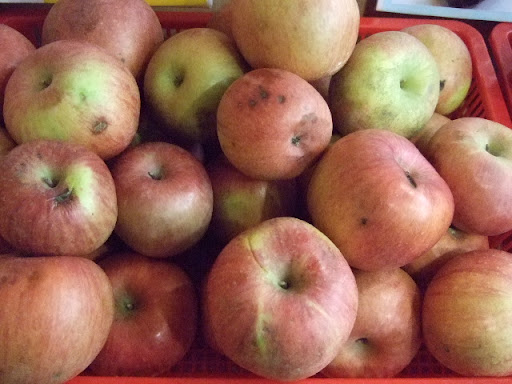
Pro-environment consumers and suppliers are patronizing ‘ugly’ agricultural products that do not fit ‘market standards’ to counter the practice of discarding them.
Unsightly produce is now attracting a growing market as more suppliers are regularly delivering ‘ugly' fruits and vegetables to households.
Choi Hyun-joo, head of Uglyus, which began offering a subscription service for ugly agricultural produce in October of last year, noted that discarding ugly-looking fruits and vegetables generates massive environmental costs.
He added that food waste accounts for 8 percent of all greenhouse gas emissions.
Uglyus packages seven or eight kinds of ‘ugly’ produce collected straight from farms for distribution every one or two weeks.
Last August, Ugly Basket followed suit and started offering an ‘ugly’ produce subscription service.
Online shopping giant 11st is also now selling ‘ugly’ products under the brands ‘Ugly Lovely’ and ‘Fresh Ugly.’
The products are cheaper than other organic ones but with the same quality.
Most of the ugly looks of the fruits and vegetables are the outcome of organic, natural farming.
An example is the yellowing of an apple’s skin due to organic farming where the apples aren’t covered with bags. While these apples may taste better, most of them would never make it to the market.







