


 Tech Stock Positioning Nears Neutral as Investor Rotation Enters Final Phase, Deutsche Bank Says
  SpaceX Stock Slump Wipes Out Nearly $700 Billion From Elon Musk’s Paper Wealth
  Serica Energy to Acquire Pharos Energy for £145.7M, Sending PHARP Shares Soaring
  Trump Administration Monitors OpenAI Incident as Lawmakers Push AI Kill Switch Bill
  Amkor Stock Surges 17% After $1.5 Billion Nvidia AI Packaging Partnership
  Intel, AMD Seek Long-Term China Server CPU Deals as AI Demand Drives Supply Crunch
  Coca-Cola Raises Diet Coke Prices in India as Iran Conflict Disrupts Can Supply
  Oracle Stock Rises After Winning Up to $6.99 Billion U.S. Defense Software Contract
  Nvidia Invests $1 Billion in Naver as South Korea AI Data Center Expansion Gains Momentum
  Paramount-Warner Bros. Merger Delayed Until 2027 Amid Antitrust Lawsuit
  Elon Musk Fuels SpaceX-Tesla Merger Speculation After Earnings Call
  CXMT IPO Debut in Shanghai Puts $85.5 Billion Chipmaker in Spotlight
  Intel Stock Slips After Earnings Rally Despite Strong AI-Driven Revenue Growth
  Shein Reports $99 Million Loss Ahead of Hong Kong IPO as U.S. Tariffs Hit Sales
  AMD Unveils Helios AI Servers to Challenge Nvidia as OpenAI Adopts New Platform
  SAP Beats Q2 Revenue Estimates as Cloud Backlog and Business AI Demand Drive Growth.
  Brown-Forman Rejects Sazerac’s $15 Billion Takeover Bid as Family Backs Independence


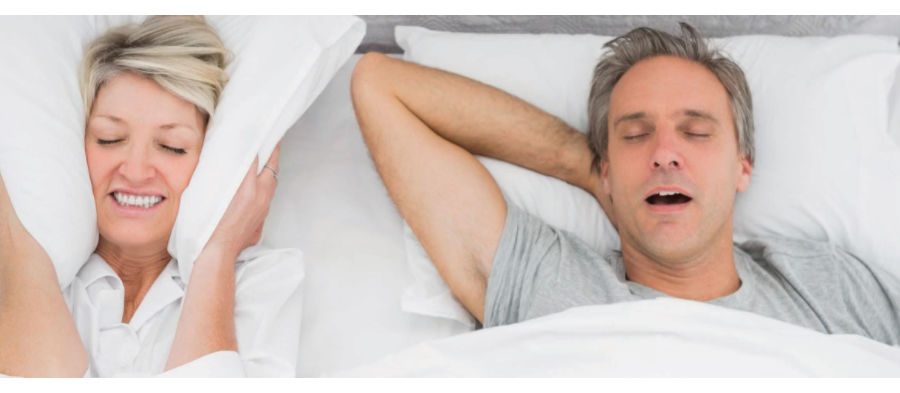
While a sleeping pill might serve as a tempting proposition if you are trying desperately to fall asleep, it can’t be considered as a long-term cure. Such medication doesn’t address the underlying concerns and can cause bigger problems in days to come. While sleep medication is still prescribed by doctors for dealing with short term cases like recovery from a medical procedure or traveling across time zones, experts are increasingly relying on alternative treatments like the ones mentioned below:
-
Cognitive Behavioral Therapy
This commonly used therapy can be conducted at individual or group levels. The sessions are tailored to specific problems as the symptoms and causes of sleep disorders vary considerably. Your severity of sleep disorder determines the length of therapy. Cognitive-behavioral therapy addresses negative behavior patterns and thoughts which can be substantial contributors to insomnia and similar sleeping problems. Cognitive therapy mostly addresses how to recognize and alter detrimental beliefs whereas behavioral therapy teaches ways to avoid the same so that you can enjoy a good night’s sleep. Your therapist might opt for the following techniques depending on your specific symptoms:
-
Sleep restriction therapy forces you to stay awake past your normal bedtime by reducing hours spend in bed while lying awake. This sleep deprivation technique can yield great results against insomnia.
-
Certain sleep habits prevent us from sleeping well. A stimulus control therapy can assist in identifying and changing the same. Some techniques followed under this therapy are using your bedroom for just taking a nap rather than working or watching TV. It also advocates following consistent sleep and wake times even after a Saturday night party.
-
Ideally, your sleep environment needs to be cool and quiet which is why therapists often recommend earplugs, blackout shades, and sound devices for blocking out noises. Certain daytime habits like avoiding late intake of caffeine or nicotine, and regular exercising can positively impact your sleep hygiene.
-
Certain relaxation training like progressive muscle relaxation, mindfulness meditation, and breathing exercises can help relieve tension so that you fall asleep easily at night.
-
Hypnosis is often prescribed in cognitive behavioral therapy for clearing our negative thoughts and promoting restful sleep.
-
CPAP Therapy
Continuous Positive Air Pressure therapy is mostly recommended to patients suffering from sleep apnea. Mild air pressure is used by the CPAP machines for keeping the airways open. Patients who face breathing distress during naptime can benefit tremendously from this therapy. A CPAP machine comprises of a motor blowing air inside the tube, a tube connecting the mask with the CPAP machine’s motor, and a mask that keeps your mouth and nose covered. Patients suffering from obstructive sleep apnea are often recommended CPAP therapy as adequate air doesn’t reach their lungs. This therapy is also prescribed to infants whose lungs haven’t developed fully. The device inflates the baby’s lungs by blowing air. If a CPAP machine is prescribed then you need to discuss your preferable settings with your sleep technologist so that the device’s air pressure can keep the airway open during naptime. Every patient has a different adjustment time to CPAP therapy. While some take just a few days, others require months.
-
COAT Therapy
This ingenious offering from SomnoMed comes in as a great alternative to CPAP therapy and is best suited for patients suffering from mild-to-moderate sleep apnea who cannot undergo CPAP therapy. The custom-made oral appliances are prescribed as a part of CPAP therapy and worn during sleep. They move the lower jaw forward for expanding the space behind the tongue. The muscles and soft tissue of the upper airway get tightened by this movement for preventing snoring and obstructive apnea during sleep.
-
Natural Remedies
-
Massage therapy has been proven to yield positive results in treating sleep disorders. In general, massage induces a generalized effect on our autonomic nervous system leading to relaxation response and mood upliftment. An improvement in blood circulation and relaxation of nerves helps us in sleeping better. You can slightly warm some mustard or coconut oil and rub it at the bottom of your feet, shoulders, neck, and back. This should next be massaged for 5 to 10 minutes in circular motions over different body parts every day before going to bed.
-
Daily exercise can improve your overall health and also promote sound sleep at night. However, vigorous exercising needs to be avoided before bedtime as it tends to increase our heart rate during the initial hours of sleep. Yoga can also help in solving various sleep-related problems by taking our minds off daily tensions, boosting mental health, and improving physical functioning. You need to select a yoga style that levies greater focus on breathing exercises and meditation rather than difficult physical maneuvers.
-
Meditation is a process of slow but steady breathing practiced while sitting quietly. It can help focus your energy on observing your feelings, thoughts, and sensations. Apart from calming your mind it also assists in warding off stress and anxiety which are infamous for triggering sleep-related problems. You can try meditation for 15 minutes either in the morning or evening. Beginners can enroll in a meditation group or opt for online guidance.
-
A warm water bath can relax your nerves and help you sleep like a baby. For better results, you can add half a cup of Epsom salt to the water and stir it until the salt dissolves completely. Next, you will have to soak in this bath for around half an hour and follow this remedy every day at least an hour before bedtime.
-
Chamomile tea has gained worldwide accolade as a sleep inducer and mild tranquilizer. A study conducted revealed that people drinking chamomile tea over two weeks reported better sleep quality than their peers.
Conclusion
Sleep disorders can meddle with your personal and professional life. Often these disorders lead to mood fluctuations, erratic hormone levels, and weight gain. Most of us have faced difficulty in sleeping at least once in our lifetime, but such disorders are getting increasingly common and hard to shake off. However, you can opt for any of the above-mentioned ways for alleviating all concerns.
This article does not necessarily reflect the opinions of the editors or the management of EconoTimes








