


 Fed Unveils Stablecoin Rules Under GENIUS Act
  RBI Raises Repo Rate to 5.50% in Hawkish Shift on Inflation Risks
  Yen in Focus as BOJ, Fed Rate Hikes Reshape Currency Markets
  BOJ Raises Interest Rate to 31-Year High as Yen Weakens
  RBA Hikes Interest Rate to 4.60% as Inflation Risks Rise
  RBI Uses $10 Billion Currency Swaps to Drain Excess Rupee Liquidity


 Add as a preferred source on Google
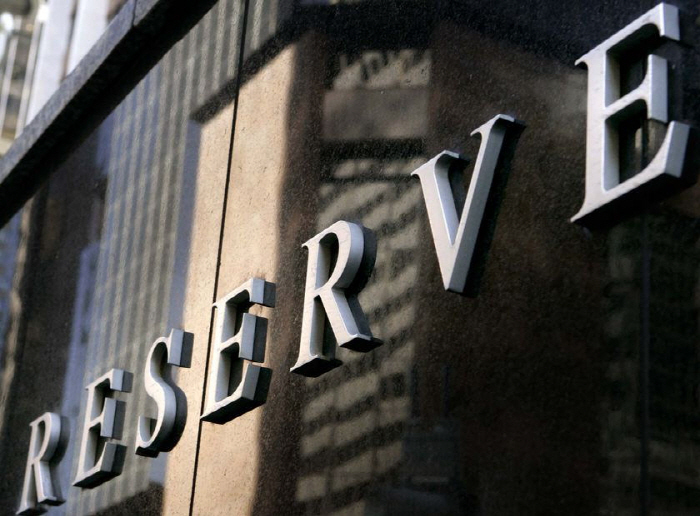
Reserve Bank of Australia Governor Glenn Stevens told Australia's parliament on Friday that the lower Australian dollar is having a bigger impact on the economy now, but that growth is still not as fast as hoped for.
Australia's exit from a decade-long mining boom has brought with it many challenges for the resource-rich economy, with growth slowing, unemployment rising, and confidence levels wavering. But policymakers are optimistic that Australia will make it through the commodity downturn without too much pain, with support from monetary policy and the weaker exchange rate.
The Australian dollar has plunged 25% against the US dollar over the last two years, and around 18% on a trade-weighted basis.
The RBA believes that continuous improvement in non-mining growth is what is needed to bring down the unemployment rate.
Australia's unemployment rate has wavered around 6% for the last year, which is better than the RBA forecast six months ago, according to Stevens.
Stevens also said that monetary policy is seeking to support Australia's growth transition. Australia's interest rates are currently at record low levels.
AUDUSD is just supported below $0.7200 levels. It made intraday high at $0.7196 and low at $0.7161 levels.







