


 AstraZeneca Shares Sink After Wainua Trial Misses Key Heart Disease Goal
  Oppenheimer Sees CNH Industrial as Top 2026 Agriculture Stock Pick on Dealer Consolidation Strategy
  Paramount-Warner Bros. Discovery Merger Faces Lawsuit From 12 States
  Stellantis Q2 Vehicle Shipments Rise 10% as North America Drives Growth
  UBS Starts CarTrade Tech With Buy Rating, Sees Strong Earnings Growth and ₹4,000 Target
  OpenAI Executive Fidji Simo to Step Down Amid Health Challenges Ahead of IPO
  Elon Musk Says Anthropic Leads AI Race as Claude Models Challenge OpenAI
  Samsung Chairman Lee Jae-yong Expected to Meet Nvidia CEO Jensen Huang on AI and Chip Partnership
  Nippon Paint Reportedly Offers Up to €7.5 Billion for Akzo Nobel Decorative Paints Business
  TSMC Q2 Revenue Surges 36% as AI Chip Demand Powers Growth Ahead of Earnings
  Morgan Stanley Names Marks & Spencer Top European Retail Pick, Sees Strong Upside
  Samsung to Launch First Yongin Chip Plant by 2029 as South Korea Speeds Up Semiconductor Hub
  Nvidia Tightens AI Chip Sales in Asia With Stricter Customer Approval Process
  Muji Owner Ryohin Keikaku Stock Soars After Raising Full-Year Earnings Forecast
  Goldman AM Sees Strong Buyout Opportunities in Japan, South Korea and Australia
  Genesis Minerals to Acquire Vault in A$5.6 Billion Deal After Regis Withdraws
  Apple Sues OpenAI, Former Employees Over Alleged Trade Secret Theft


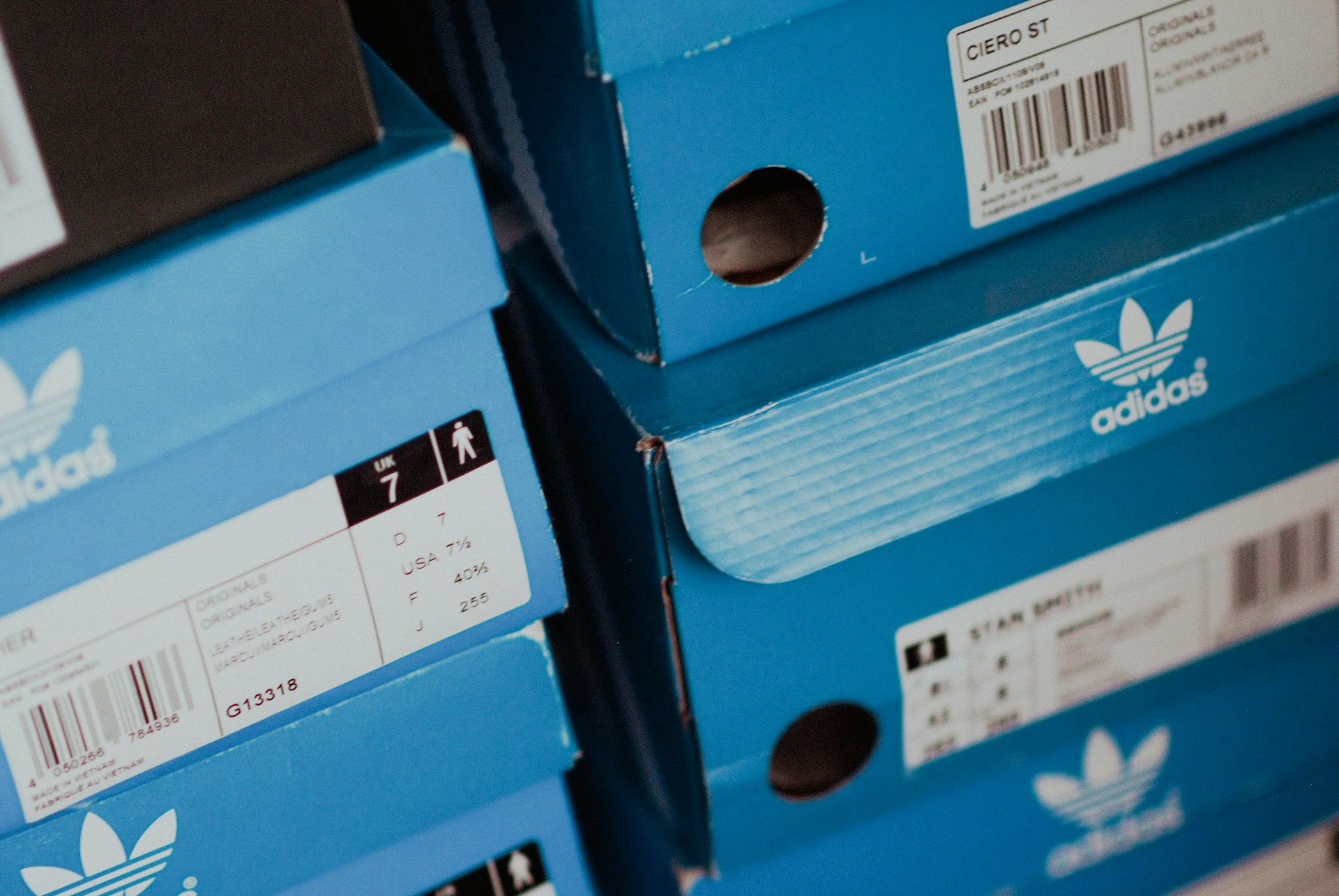
Germany’s iconic sportswear brands Puma and Adidas share one of the most famous origin stories in global business. Both companies were born in the same house in Herzogenaurach, Bavaria, where brothers Rudolf and Adolf Dassler launched their shoe business nearly a century ago. A bitter family feud later split the original company, leading Rudolf to found Puma and Adolf to establish Adidas. Today, their headquarters remain just a short walk apart, symbolizing a rivalry that has shaped the sportswear industry for decades.
Now, Puma’s story is entering a new chapter. The brand is set to come under the influence of China’s largest sportswear company, Anta, which plans to acquire a major stake in a $1.8 billion deal. The move would make Anta Puma’s biggest shareholder and is widely seen as a strategic effort to revive one of Europe’s most recognizable sports brands after years of declining performance.
Once the world’s third-largest sportswear company behind Nike and Adidas, Puma has struggled to keep pace as competition intensified. While Adidas surged ahead with strong demand for its retro Samba and Terrace sneakers, Puma’s Speedcat and lifestyle-focused offerings failed to capture the same momentum. Analysts note that Puma became overly reliant on lifestyle products, reducing its investment in performance footwear and star athlete endorsements, which weakened its global visibility.
Emerging brands such as On Running and Hoka have also disrupted the market, further pressuring Puma’s market share. The company’s stock, which peaked in 2021, has since lost around 80% of its value. Despite broader challenges facing the retail sector, Puma has been hit especially hard by heavy discounting, crowded distribution channels, and delayed sneaker trends compared to rivals.
The Anta partnership could prove pivotal, particularly in strengthening Puma’s presence in China, one of the world’s most important sportswear markets. Under CEO Arthur Hoeld, Puma has already launched a turnaround plan focused on job cuts, streamlined product ranges, reduced discounting, and stronger marketing. With Anta’s backing, Puma hopes to reclaim brand relevance, close the gap with Adidas, and restore its position in the global sportswear race.







