


 Judge Blocks Trump Mail Voting Order Ahead of 2026 Midterms
  U.S. Probes Apex Logistics Over Nvidia AI Chip Shipments to China
  BofA Names ASML Top Semiconductor Equipment Pick on Growth, Valuation
  Brazil Supreme Court Approves Probe Into Lula’s Son Over Health Ministry Lobbying Claims
  Adidas, Puma Shares Fall as Dick’s Sporting Goods Cuts Outlook
  Pinterest Stock Falls as CFO Julia Brau Donnelly Resigns
  Salesforce Shares Surge as AI Demand Powers Q2 Earnings Beat
  DOJ Rescinds Anti-Weaponization Fund Ahead of Todd Blanche Senate Confirmation Vote
  SoftBank Plans Record $6.3 Billion Bond Sale to Fund OpenAI Investments
  US Weighs New Sanctions Against Brazil Supreme Court Justice Alexandre de Moraes
  Google Changes EU Spam Policy Amid Antitrust Scrutiny
  Sun Pharma Wins U.S. Appeal in Pfizer Lipitor Antitrust Case
  Meta Agrees to $18 Billion Settlement, Tightens Teen Social Media Rules
  Jefferies Names AMEC Top China Semiconductor Equipment Pick
  Honda, Nissan Eye Shared Vehicle Software Platform by 2029
  Toyota Global Sales Fall as China Demand Slumps
  Samsung Shares Tumble 8% as $79 Billion Return Plan Disappoints


 Add as a preferred source on Google
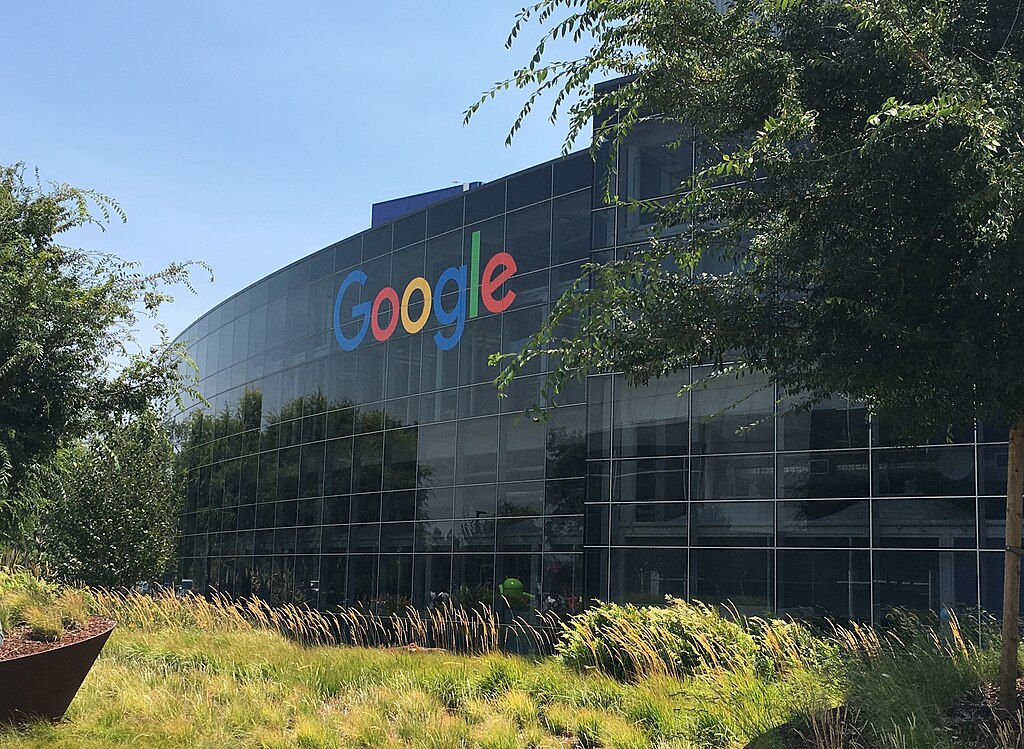
Major publishing companies Hachette Book Group and Cengage Group have formally asked a California federal court for permission to intervene in a proposed class action lawsuit against Google, intensifying the ongoing legal battle over artificial intelligence and copyright law. The publishers allege that Google illegally used vast amounts of copyrighted material to train its artificial intelligence systems, including its Gemini large language model, without obtaining proper authorization.
In their proposed complaint, the publishers accused Google of carrying out “one of the most prolific infringements of copyrighted materials in history.” They claim that Google copied content from Hachette’s books and Cengage’s educational textbooks to build and refine its AI capabilities, bypassing licensing agreements and copyright protections. According to the filing, at least 10 specific books and textbooks were allegedly misused, including works by well-known authors such as Scott Turow and N.K. Jemisin.
If approved, the publishers’ intervention could significantly raise the potential financial damages in the case. The lawsuit already includes groups of visual artists and authors who accuse Google of unlawfully using their creative works to train generative AI systems. By joining the litigation, publishers aim to represent a broader class of authors and publishing houses who may have been affected by similar practices.
Maria Pallante, CEO of the Association of American Publishers, said the group believes publishers are uniquely qualified to address the legal and evidentiary issues involved in AI copyright disputes. She emphasized that their participation would strengthen the case by bringing industry-specific expertise before the court.
The case is part of a growing wave of high-profile lawsuits targeting technology companies over the use of copyrighted content in AI training. Artists, writers, music labels, and other rights holders have increasingly challenged how AI models are developed, arguing that unlicensed use of protected works undermines creative industries. Last year, AI company Anthropic settled a similar lawsuit with authors for $1.5 billion over its Claude chatbot.
Google has not publicly responded to the publishers’ request to intervene. U.S. District Judge Eumi Lee will decide whether Hachette and Cengage can formally join the lawsuit, a decision that could shape the future of AI copyright litigation.







