


 Pedro Sanchez’s Wife Ordered to Stand Trial in Spain Corruption Case
  US Judge Seeks Explanation for DOJ’s Decision to Drop Gautam Adani Bribery Case
  Flavio Bolsonaro Urges Trump to Delay Brazil Tariffs Until After 2026 Election
  Khamenei Funeral Draws Thousands as Iran Stages Nationwide Week of Mourning
  Russia Strikes Kyiv as Ukraine Faces Patriot Missile Shortage Before NATO Summit
  China Submarine Missile Test Sparks Concern Across Asia-Pacific
  UN Rights Council Launches Sudan Probe Over RSF Violence in al-Obeid
  JD Vance Says Britain Needs Major Political Change as Leadership Transition Looms
  Sara Duterte Impeachment Trial Opens, Putting 2028 Philippine Election in Focus
  Massive Funeral Procession for Ayatollah Ali Khamenei Draws Huge Crowds in Tehran
  Meta Seeks Legal Shield From Child-Harm Lawsuits Amid KOSA Talks
  Kim Jong Un Oversees North Korea Destroyer Missile Tests, Orders Rapid Naval Deployment
  Fortescue Faces Class Action Over Sexual Harassment Claims at Australian Mining Sites
  Iran Begins Oil Sale Talks With Japan Under U.S. Sanctions Waiver Amid Shipping Risks
  DOJ Orders Crackdown on Birth Tourism After Supreme Court Upholds Birthright Citizenship
  Israel Cabinet Rejects Supreme Court Ruling, Sparking Constitutional Crisis Fears


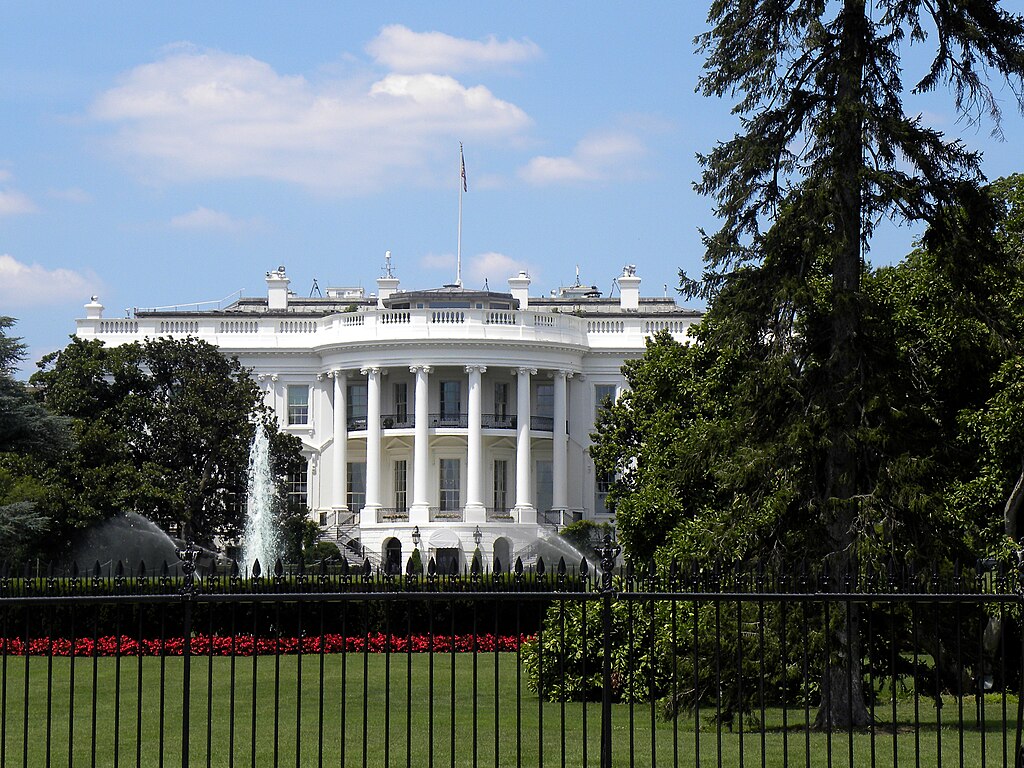
A leading historic preservation group has filed a lawsuit against U.S. President Donald Trump and several federal agencies in an effort to block construction of a proposed $300 million ballroom at the White House site, raising significant legal and preservation concerns. The lawsuit, filed Friday in federal court in Washington, D.C., challenges the demolition of the White House’s East Wing and the rapid advancement of the 90,000-square-foot ballroom project without what the group says are legally required reviews and approvals.
U.S. District Judge Richard Leon confirmed he will hold a hearing on Tuesday to consider the National Trust for Historic Preservation’s request for a temporary order to stop construction. According to the nonprofit organization, the project moved forward without public input and failed to comply with federal statutes that mandate consultations with the National Capital Planning Commission and the Commission of Fine Arts before altering historically significant federal property.
The lawsuit argues that no president has the unilateral authority to demolish parts of the White House without oversight, regardless of party affiliation. The group is also seeking to pause construction until environmental impact reviews are completed, relevant federal commissions approve the plans, and Congress formally authorizes the project.
The ballroom is part of a series of major changes President Trump has made to the White House since returning to office in January. These changes reportedly include extensive gold décor added to the Oval Office and the replacement of the Rose Garden lawn with a paved patio reminiscent of Trump’s Mar-a-Lago estate in Florida.
In response, White House spokesman Davis Ingle stated that President Trump has full legal authority to modernize, renovate, and enhance the White House, noting that past presidents have also made significant changes to the historic residence.
Carol Quillen, president and CEO of the National Trust for Historic Preservation, emphasized that public engagement is essential when altering a symbol of American democracy. She said that inviting public comment reflects respect for the nation’s heritage and helps ensure changes leave a lasting and appropriate legacy.







