


 Israeli Airstrike Kills Three in Central Gaza Despite Ceasefire
  Mexico, U.S. Launch Sterile Fly Facility to Combat New World Screwworm Outbreak
  Maria Corina Machado’s Return to Venezuela Faces U.S. Hesitation After Deadly Earthquakes
  US, Iran Agree to Halt Attacks Ahead of Doha Talks on Strait of Hormuz
  Iran Skips U.S. Technical Talks Over Unmet MoU Conditions and Frozen Funds Dispute
  Australia Plans Higher Fines for Social Media Firms Failing to Block Underage Users
  Despite its best efforts, Iran won’t be able to toll the Strait of Hormuz. Here’s why
  Russian Attacks on Dnipro, Zaporizhzhia, and Kharkiv Kill 10 as Ukraine Vows Response
  Andy Burnham Sets Out Vision to Decentralize Britain as Labour Leadership Race Begins
  Australia, Vanuatu Sign Security Pact Amid Pacific Influence Competition
  Trump Threatens 100% Tariffs on Countries Imposing Digital Services Taxes on U.S. Tech Firms
  Sheinbaum Says No One Is Above the Law After Abuse Video of Ex-Pemex Chief Emerges
  Trump Questions Housing Bill as He Prioritizes SAVE America Act
  Canada Grants C$7 Million to Greenland Molybdenum Mine to Strengthen Critical Minerals Supply
  Serbia President Aleksandar Vucic to Resign, Calls Early Elections After Months of Protests
  Taiwan Coast Guard Officer Finds Strength in Faith as China Increases Pressure in Taiwan Strait


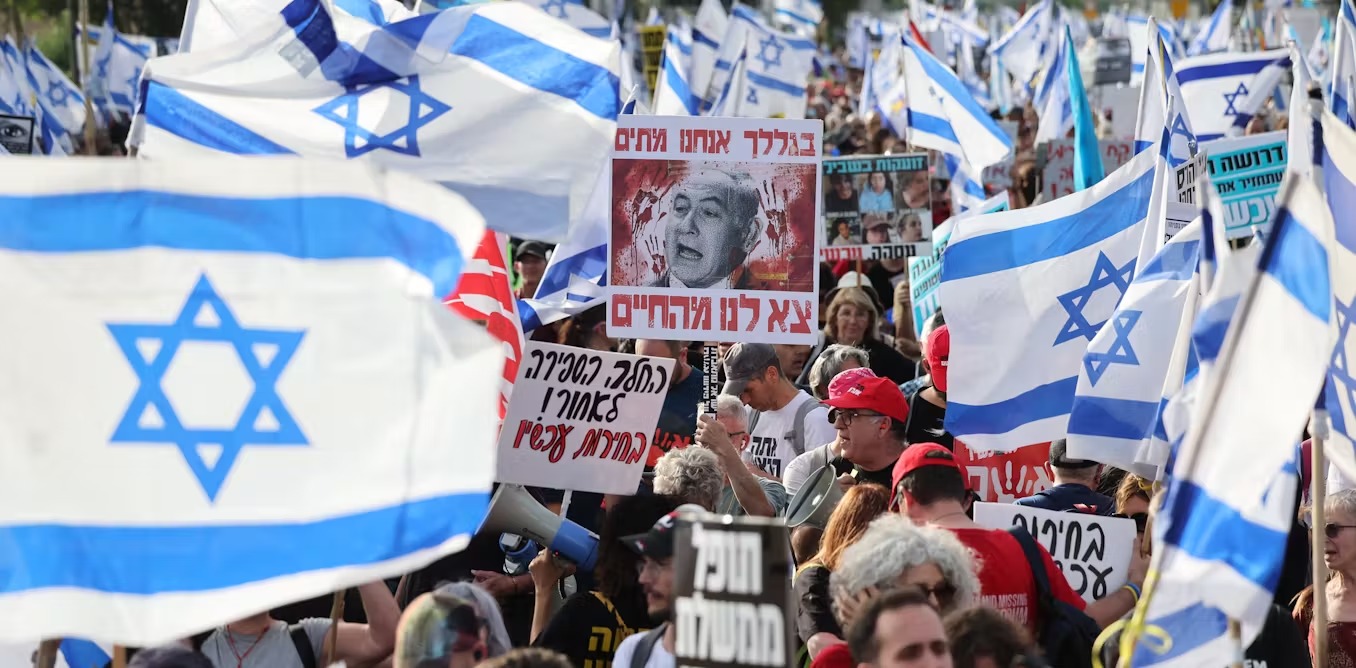
A new national poll from Hebrew University of Jerusalem reveals that nearly two-thirds of Israelis oppose the Iran ceasefire brokered by Pakistan between the United States and Iran. The survey, the first conducted after the truce was announced, shows the Israeli public is sharply divided on whether their government should honor the agreement or resume military strikes against Iran.
Of those surveyed, 39 percent believe Israel should press forward with attacks on Iran, while 41 percent support respecting the ceasefire. Another 19 percent remain undecided. The poll sampled 1,312 Israeli adults between April 9 and 10, carrying a margin of error of 3.2 percent.
The ceasefire has paused U.S. and Israeli airstrikes on Iran, but fighting between Israel and Hezbollah in Lebanon continues unabated. Israeli forces have maintained heavy bombardment in Lebanon, resulting in significant civilian casualties, while Hezbollah has kept firing rockets into northern Israeli towns. Weekend negotiations in Islamabad failed to produce a wider agreement to end the broader conflict.
On the Lebanon front, over 61 percent of Israelis believe the ceasefire should not be extended to cover the war with Hezbollah — a position that directly conflicts with one of Iran's central demands in ongoing diplomatic talks with Washington.
The poll also signals political trouble for Prime Minister Benjamin Netanyahu, who faces a national election due by October. His approval has slipped since the Iran conflict began, with 34 percent of Israelis now preferring him as prime minister compared to 40 percent at the war's outset. Most existing polls suggest he is on track to lose.
With a fragile truce and no comprehensive deal in sight, Israeli officials have reportedly concluded that a prolonged, multi-front conflict across the Middle East may be unavoidable.







