


 Organon Stock Surges After Reports of $13 Billion Buyout Bid by Sun Pharma
  U.S. Army Soldier Charged in $400K Insider Betting Scheme on Maduro Capture
  Moderna Stock Drops After FDA Declines Review of mRNA Flu Vaccine
  CDC Monitors U.S. Travelers After Hantavirus Outbreak on Luxury Cruise Ship
  RFK Jr. Expands CDC Vaccine Advisory Panel's Scope Amid Legal Battles
  Supreme Court Asked to Reinstate Mail-Order Access to Abortion Pill Mifepristone
  Florida Investigates OpenAI and ChatGPT Over Alleged Role in FSU Shooting
  Trump Administration Files Fraud Charges Against Southern Poverty Law Center Over Informant Payments
  AstraZeneca Q1 2026 Earnings Surge on Strong Oncology and Rare Disease Drug Sales
  Medicare to Cover GLP-1 Weight-Loss and Diabetes Drugs Starting July 1
  Judge Delays SEC Settlement With Elon Musk Over Twitter Stock Disclosure Case
  Novo Nordisk Raises 2026 Outlook on Strong Wegovy Demand
  U.S. Officials Express Optimism Over New CDC Director Selection Amid Vaccine Policy Turmoil
  The four types of dementia most people don’t know exist


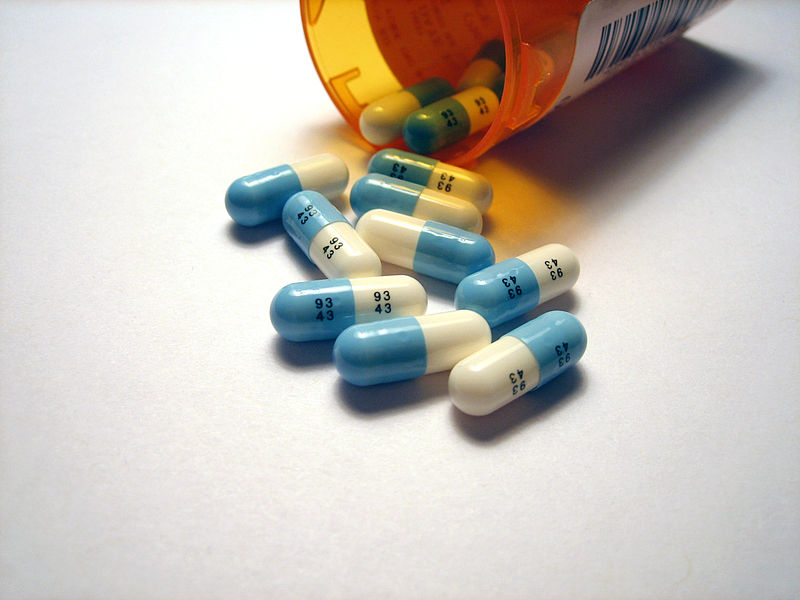

Not a week goes by without a financial crisis in the NHS making the headlines. Cutbacks and closures are a constant threat as money runs dry for trusts and health boards across the country. The need for cash is reaching a desperate point, but despite this one massive drain on health service resources is going mostly unnoticed.
Every year, £300m worth of unused medicines are being thrown away in England alone. This is down to a number of reasons, such as a change of treatment by the prescriber; the patient not being convinced of the need to take their medication; patients taking less because they are worrying about or experiencing side effects; or possibly that the patient has sadly passed away. Patients or their families will often return these medicines to the pharmacy, but most of the time they are then just thrown away.
It is a widely held view, particularly by the UK’s Medicines Regulators, that once a medicine has left the pharmacy, its safety and quality cannot be guaranteed. For example, there is a risk that the medicine container may have been tampered with, or the packaging may have been exposed to high temperatures – perhaps stored on top of the radiator in the patient’s home – rendering it ineffective. However, increasingly, questions are being asked about the role of newer packaging technologies in providing safeguards against some of these issues, and whether they could allow for the reuse of medications.
Pharmacists' opinion
As those who guard access to and distribute medications, pharmacists are in the best position to give an opinion on the reuse of medications. In our recent study, we asked 17 pharmacists about the barriers and solutions to the development of a hypothetical scheme to reuse medicines. Contrary to what is widely thought, we found that the pharmacists did not see the potential for medicines to be tampered with as being problematic. Advances have been made in tamper evidence seals that could potentially identify if the packaging has been interfered with.
It is interesting to note, however, that the participating pharmacists also said that any re-dispensing of medicines would rely on the packaging being in pristine condition: a particular concern was raised that any packaging which smelled of cigarette smoke should not be re-dispensed. The pharmacists did think that storage of medicines at high temperatures was a problem but that this could perhaps be addressed with the use of new technologies. “Smart” irreversible temperature-sensitive stickers are now available and could be attached to the medicine container. As soon as the temperature reached a level that would deteriorate the effectiveness of the medicine, the sticker would change colour.
Previous studies have found that pharmacists are fairly resistant to any form of medicine reuse. However, the presence of these new devices could now change widely held opinions on the issue. Indeed, all pharmacists in this small study wanted a strong steer and endorsement from the professional regulator on the development of standards for any potential schemes to redistribute medicines.
Patients' perspective
But would patients feel comfortable taking “secondhand” medication? While we did not directly collect patients' views as part of the study, the participating pharmacists thought that the public would be supportive of such a scheme. From our own professional experience, we know that many patients already assume that returned medicines are reused – at least in third world countries. Furthermore, an Ipsos Mori survey has previously found that 52% of people in England would be likely to accept re-issued medicines, compared to 32% who would not.
The World Health Organisation does not condone the practice of reusing medication, however. While there has been little research into patients' views, we are in the process of pursuing this.
In addition, it may not actually be economical to re-dispense all medication returned unused by patients – particularly medicines, such as older antibiotics, which cost £1 or less for a course. A high cost drug, which is frequently returned unused by patients perhaps because of the side effects it causes, may be a good place to start.
In the meantime, what can or should be done about unused medications? It is still very important that any unused medicines are disposed of safely. Taking them to a pharmacy is the best way of ensuring that they are incinerated safely, without any possible harm to the environment, which can happen if they are simply thrown in the bin or poured down the drain.
 This research was conducted by David McRae, research and development pharmacist at Cwm Taf University Health Board as part of an MSc in Clinical Pharmacy at Cardiff University, and led by Dr Delyth James as research supervisor, who is now at Cardiff Metropolitan University.
This article was originally published on The Conversation. Read the original article.







