


 Jack Lang Resigns as Head of Arab World Institute Amid Epstein Controversy
  Trump Slams Super Bowl Halftime Show Featuring Bad Bunny
  Ghislaine Maxwell to Invoke Fifth Amendment at House Oversight Committee Deposition
  New York Legalizes Medical Aid in Dying for Terminally Ill Patients
  Japan’s Prime Minister Sanae Takaichi Secures Historic Election Win, Shaking Markets and Regional Politics
  Anutin’s Bhumjaithai Party Wins Thai Election, Signals Shift Toward Political Stability
  Trump Congratulates Japan’s First Female Prime Minister Sanae Takaichi After Historic Election Victory
  Trump Backs Nexstar–Tegna Merger Amid Shifting U.S. Media Landscape
  Trump Says “Very Good Talks” Underway on Russia-Ukraine War as Peace Efforts Continue
  U.S. Lawmakers to Review Unredacted Jeffrey Epstein DOJ Files Starting Monday
  Bosnian Serb Presidential Rerun Confirms Victory for Dodik Ally Amid Allegations of Irregularities
  Israel Approves West Bank Measures Expanding Settler Land Access
  Japan Election 2026: Sanae Takaichi Poised for Landslide Win Despite Record Snowfall
  Nicaragua Ends Visa-Free Entry for Cubans, Disrupting Key Migration Route to the U.S.
  India–U.S. Interim Trade Pact Cuts Auto Tariffs but Leaves Tesla Out
  Taiwan Says Moving 40% of Semiconductor Production to the U.S. Is Impossible


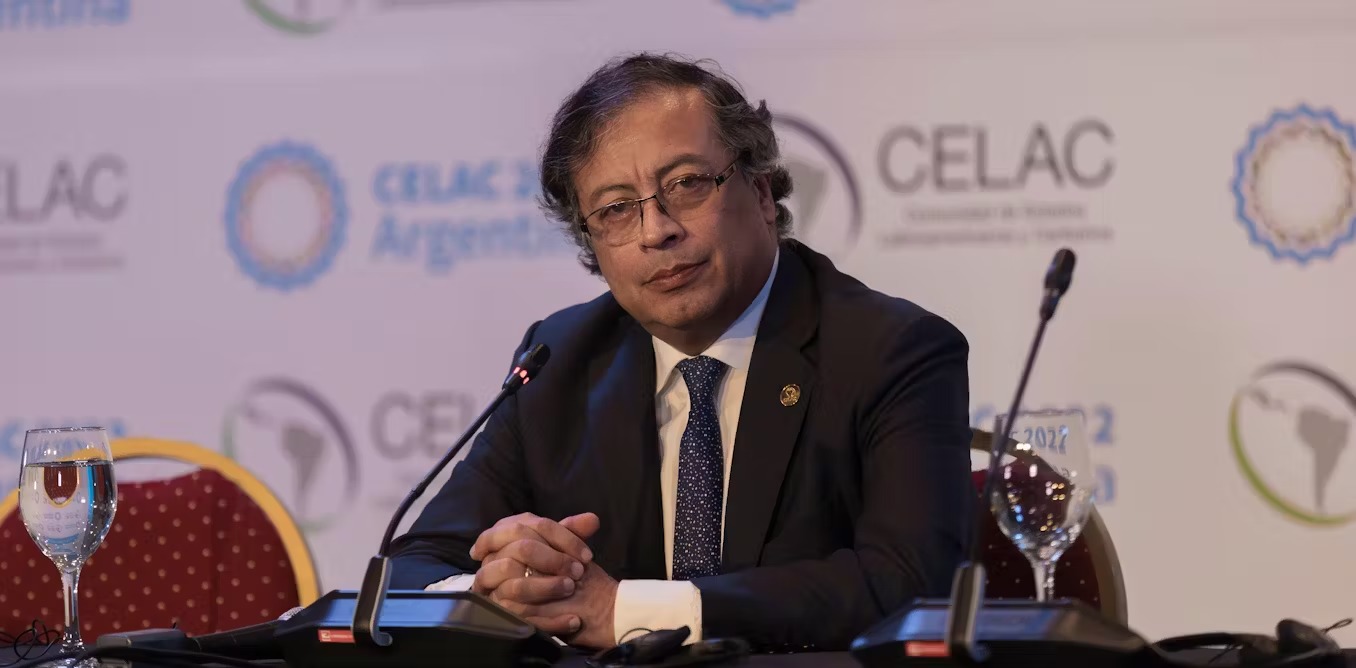
Colombian President Gustavo Petro downplayed the potential impact of the United States suspending aid to his country, saying it would have little effect on Colombia’s economy or governance. However, he acknowledged that changes to U.S. military funding could pose significant challenges, particularly concerning operational capabilities and access to key equipment like helicopters.
The remarks came after U.S. President Donald Trump announced that all funding to Colombia had been halted and threatened to increase tariffs. Colombia, once one of the largest recipients of U.S. aid in the Western Hemisphere, saw its funding abruptly reduced following the closure of USAID, Washington’s humanitarian assistance arm. Despite this, military cooperation between the two countries has continued.
“What happens if they take away aid? In my opinion, nothing,” Petro told reporters, explaining that much of the aid benefits U.S. agencies rather than Colombia directly. “Now in military aid we would have some problems,” he added, warning that losing U.S. helicopters would have the most severe consequences for national security.
The Trump administration recently “decertified” Colombia’s anti-narcotics efforts, raising the possibility of further aid cuts. Although U.S. forces remain in Colombia and intelligence sharing continues, tensions have escalated over U.S. military actions in the Caribbean that have resulted in civilian casualties. Petro condemned these strikes as unlawful and destabilizing, echoing criticisms from international legal and human rights experts.
Amid the diplomatic strain, Petro recalled Colombia’s ambassador from Washington but maintained communication with U.S. representatives in Bogotá. Trump’s harsh remarks — labeling Petro a “bad guy” and “illegal drug leader” — have fueled political backlash in Colombia.
Petro also argued that increased tariffs on Colombian exports could undermine long-standing trade policies meant to curb drug trafficking through economic opportunity. He emphasized that Colombia could mitigate the impact by diversifying export markets, especially for oil and coal, which make up 60% of its exports to the U.S.
Despite ongoing security challenges, Petro highlighted his government’s record cocaine seizures — totaling 2,800 metric tons in three years — attributing this success to expanded efforts at Pacific ports. He further accused Trump of using the aid suspension and tariffs as political leverage to boost far-right factions ahead of Colombia’s upcoming elections.













