


 Florida Supreme Court Allows GOP Congressional Map to Stand Ahead of 2026 Midterm Elections
  Ukraine and Latvia Sign Drone Defense Deal to Boost Military Cooperation in 2026
  LePage Wins GOP Nomination in Key Maine House Race Ahead of 2026 Election
  US Urges Europe to Impose Ebola Travel Restrictions Ahead of FIFA World Cup 2026
  Trump Signals Opposition to USMCA Renewal as U.S. Reviews Trade Relations with Canada and Mexico
  Alaska Senate Candidate Named Dan Sullivan Faces Investigation Over Alleged Voter Confusion Scheme
  Xi’s North Korea Visit Strengthens Ties and Elevates Kim Jong Un’s Global Standing
  Peru Election Results Remain Uncertain as Tight Presidential Race Heads Toward Legal Review
  Iran and Israel Halt Attacks After Trump Appeal as Regional Tensions Remain High
  Venezuela Deploys Troops to Crack Down on Illegal Gold Mining Amid Push for Foreign Investment
  Keiko Fujimori Narrowly Leads Peru Presidential Election as Overseas Votes Shift Race
  Steve Hilton and Xavier Becerra Advance to California Governor Election After Primary Results
  Peru Election 2026: Tight Race Between Keiko Fujimori and Roberto Sanchez Boosts Markets
  US Launches New Strikes on Iran as Middle East Conflict Intensifies in 2026
  Randy Villegas Advances to Face David Valadao in Key California Congressional Race


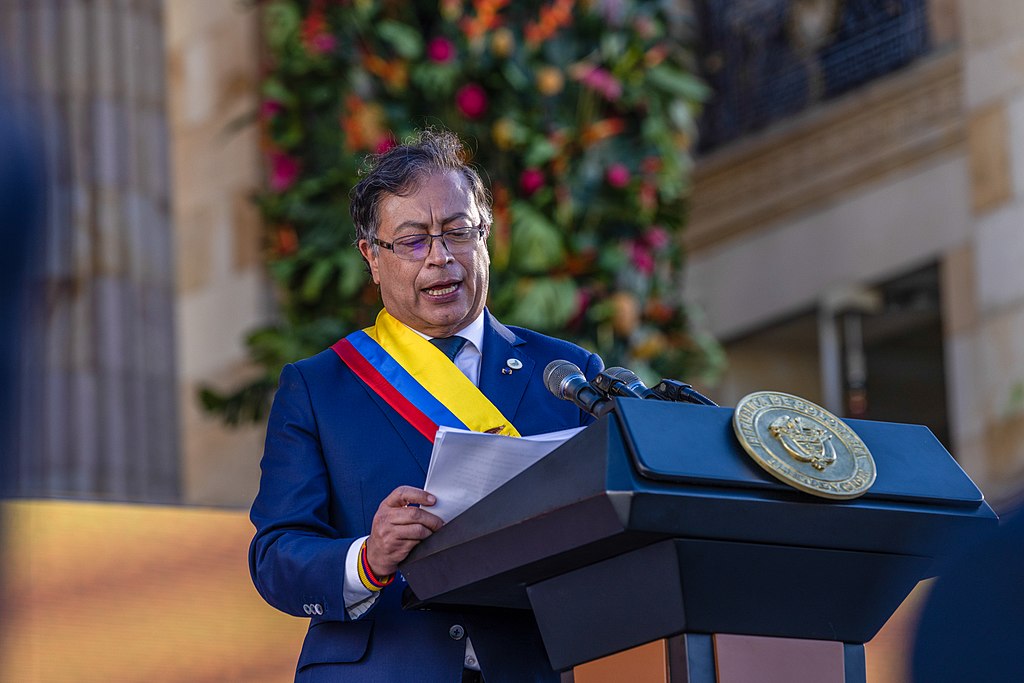
Colombian President Gustavo Petro alleged on Wednesday that a vessel recently bombed by the United States in the Caribbean may have been Colombian, claiming citizens of his country were aboard. The White House swiftly rejected the accusation, calling it “baseless and reprehensible.”
Petro posted on X that “indications show that the last boat bombed was Colombian with Colombian citizens inside,” framing the incident as an “aggression against all of Latin America and the Caribbean.” The statement comes amid rising regional tensions as the U.S. intensifies its campaign against alleged drug-trafficking operations off Venezuela’s coast.
U.S. President Donald Trump had announced a new strike on Sunday, marking what he described as another successful hit against drug vessels in the Caribbean. However, the Pentagon has not confirmed any such operation took place on Saturday.
In response to Petro’s comments, a White House official told Reuters that the U.S. expected the Colombian leader to retract his statement, emphasizing that Colombia remains an “essential strategic partner” with shared priorities in regional security and prosperity. The official added that Washington remains committed to maintaining strong diplomatic ties despite policy differences.
Petro, currently visiting Belgium for talks with European leaders, was replying to U.S. Senator Adam Schiff, who said he would vote to block further U.S. military actions in the Caribbean. Colombia’s presidency has yet to release further details about the alleged incident.
Meanwhile, Venezuela launched military exercises in the coastal states of La Guaira and Carabobo in response to what Defense Minister Vladimir Padrino called a “serious threat” from U.S. forces. The exercises follow Washington’s move to double its reward for information leading to Venezuelan President Nicolás Maduro’s arrest to $50 million, accusing him of drug-trafficking ties.
The U.S. has deployed seven warships, a nuclear-powered submarine, and F-35 fighter jets in the southern Caribbean, underscoring escalating military and diplomatic tensions in the region.







