


 Nomura Upgrades PDD Holdings to Buy, Calls Stock Too Cheap to Ignore
  Gold is meant to be a ‘safe haven’ in uncertain times. Why is it crashing amid a war?
  Google's TurboQuant Algorithm Sends Memory Chip Stocks Tumbling
  Cybersecurity Stocks Tumble After Anthropic's Claude Mythos AI Leak Sparks Market Fears
  Oil Prices Slip as Middle East Tensions Ease, Heading for Weekly Loss
  Asian Stocks Rebound as Trump Delays Iran Strike Deadline
  U.S. Stocks Tumble as Iran Peace Deal Uncertainty Spooks Markets
  Lynas Rare Earths Signs Vietnam Deal with LS Eco Energy to Boost Magnet Metal Production
  Brown-Forman and Pernod Ricard in Merger Talks to Create World's Largest Spirits Giant
  WTO Reform Talks Begin in Cameroon Amid Global Trade Tensions
  EU and CPTPP Nations Push for Landmark Digital Trade Agreement
  Henkel in Advanced Talks to Acquire Olaplex at $2 Per Share
  U.S. Praises Kurdistan's Role in Oil Markets Amid Iran War Fallout
  Innate Pharma Reports 55% Revenue Drop and €49.2M Net Loss for 2025
  SpaceX IPO Filing Expected This Week as Valuation Could Surpass $75 Billion
  Golden Dome Missile Defense: Anduril and Palantir Join Forces on Trump's $185B Space Shield
  Meta Ties Executive Pay to Aggressive Stock Price Targets in Major Retention Push


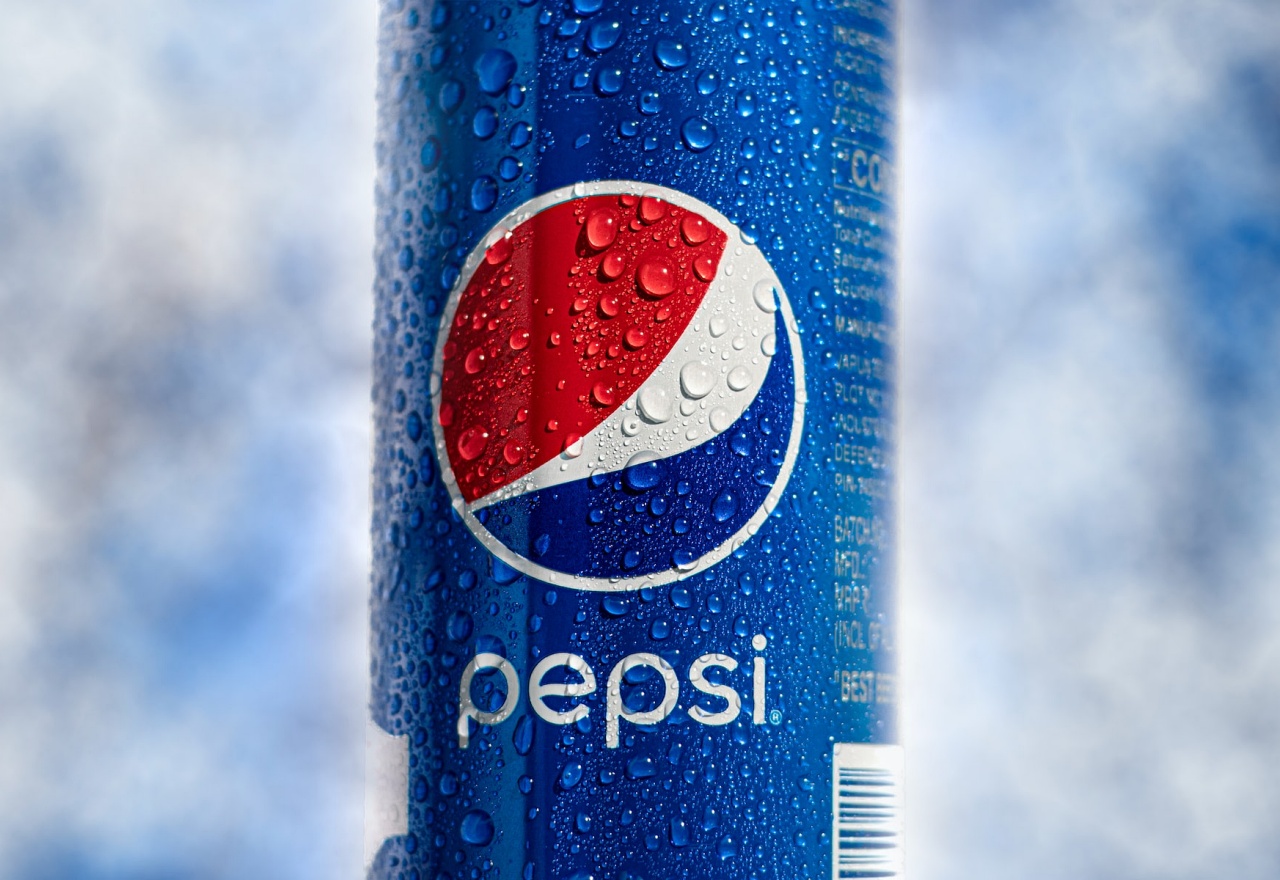
PepsiCo Inc. officially halted the production of its carbonated beverage brands, including Pepsi, Mountain Dew, and 7UP, in Russia. The decision came almost six months after the company promised to stop the sales and manufacturing of its products after Vladimir Putin ordered the invasion of Ukraine in late February this year.
According to Reuters, Pepsico made the announcement after the publication saw many supermarkets, retailers, gyms, and other places in Moscow with cans and bottles of Pepsi beverages bearing the production dates of July and August. Apparently, these were produced in Pepsico's Russian factories.
Reuters further shared that it saw first-hand that the Pepsi products in Russia were produced very recently, and the latest was dated Aug. 17. After the discovery, the American multinational food, snack, and beverage firm sent a statement to the publication. Pepsico informed Reuters that it had already stopped producing concentrates for the production of 7UP, Mirinda, Pepsi Cola, and Mountain Dew in Russia.
In a statement sent to the publication on Sept. 8, PepsiCo's spokesman said, "All concentrates have subsequently been exhausted in Russia and production has ended." It was noted that this short remark was the company's first public comment after stating in March that it would suspend its business activities, including production in the country.
"As many of you know, we have been operating in Russia for more than 60 years, and we have a place in many Russian homes. Pepsi-Cola entered the market at the height of the Cold War and helped create common ground between the United States and the Soviet Union," PepsiCo's chief executive officer, Ramon Laguarta, wrote in a message that was sent to the company's associates at that time.
He added, "However, given the horrific events occurring in Ukraine we are announcing the suspension of the sale of Pepsi-Cola, and our global beverage brands in Russia, including 7Up and Mirinda. We will also be suspending capital investments and all advertising and promotional activities in Russia."
Meanwhile, the spokesperson said that the decision to halt the production is in line with the statements the company gave in March. However, he declined to comment about the sales, and these were halted as well.







