


 ICE Agent Arrested in Minneapolis Over Venezuelan Man Shooting
  UN Allows Mahmoud Abbas Video Address After US Visa Denial
  Saudi Arabia Shuts East-West Oil Pipeline After Drone Attack
  South Korea’s Lee Rules Out Military Role in Middle East War
  U.S. Imposes New Visa Restrictions Over South Africa Policies
  Trump Grants Clemency to Jay-Z Associate Emory Jones
  Texas Republicans Turn Against AI Data Centers as Election Backlash Grows
  DOJ Will Investigate AI-Related Crimes, Attorney General Blanche Says
  Trump Threatens EU Tariffs Over Canada Membership Proposal
  US-China Experts Push AI Nuclear Safeguards to Prevent Military Escalation
  North Korea Vows to Expand Nuclear Arsenal Amid U.S.-Led Military Buildup
  Vietnam, U.S. Firms Plan 29 Deals Across Energy, Tech and Aviation
  SEC Seeks ISS Client Voting Records in Proxy Adviser Probe
  Venezuela Nears Deal to Move $4 Billion in Gold to New York Fed
  Trump Says US Army Base in Poland Talks Make Progress
  Iran Economic Crisis Forces Afghan Families to Return Home
  Google Changes EU Spam Policy Amid Antitrust Scrutiny


 Add as a preferred source on Google
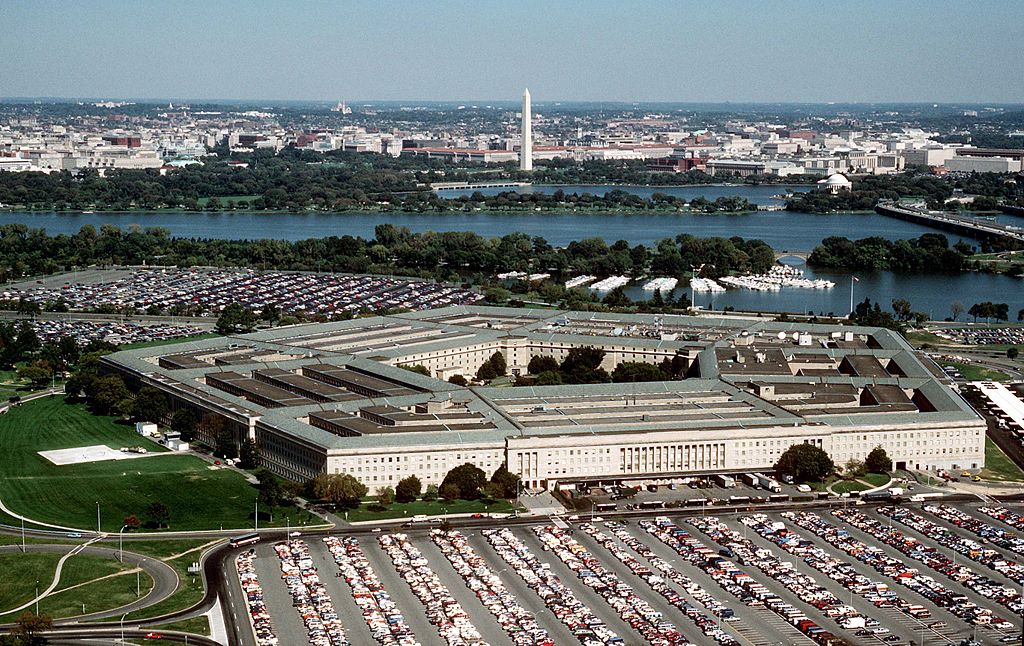
The Pentagon is reinstating mandatory testosterone deficiency screening for U.S. service members aged 30 and older, reviving a controversial military health policy that has drawn concerns from medical professionals over potential risks and the need for widespread testing.
Defense Secretary Pete Hegseth first announced the testosterone screening requirement in July as part of an effort aimed at improving military readiness. Hegseth has promoted testosterone treatment as a potential tool for supporting the health and performance of service members.
The original Pentagon guidance also included provisions for women. Female service members were expected to undergo questionnaire-based screening before potentially receiving further evaluation and treatment for health conditions linked to hormonal imbalances.
However, the Defense Department temporarily withdrew the published medical guidance in early September, saying officials needed additional time to make updates. The latest Pentagon decision ends that pause and allows mandatory testosterone testing to proceed.
It remains unclear whether the Defense Department made significant changes to the original policy before reinstating it.
"Effective immediately, this guidance addresses male testosterone deficiency, establishing uniform screening and treatment pathways," Pentagon spokesperson Sean Parnell said in a statement Thursday.
The policy establishes a standardized approach for identifying testosterone deficiency among eligible male service members and determining potential treatment options.
The initiative has faced criticism from some medical experts, who question whether routine testosterone screening is necessary for otherwise healthy men without symptoms. Medical professionals have also cautioned that testosterone therapy can carry health risks when prescribed without an appropriate clinical need.
Among the potential concerns is reduced fertility, as externally administered testosterone can suppress the body's natural hormone production and interfere with sperm production. Other health consequences may also arise depending on a patient's condition, dosage and treatment duration.
With the Pentagon lifting its temporary suspension, testosterone deficiency screening is now set to resume across the U.S. military under the updated Defense Department guidance.







