


 Qualcomm Stock Falls as Weak Q4 Forecast, Apple Revenue Decline Overshadow AI Data Center Growth
  SpaceX Wins $1.6 Billion U.S. Space Force Launch Contracts for Falcon 9 Missions Through 2027
  X Challenges Australia’s Expanded Social Media Ban Enforcement Powers
  TSMC Gradually Restarts Japan Chip Plant After Kumamoto Earthquake
  Rio Tinto Stock Jumps as Strong Earnings, Higher Dividend and AI Metal Demand Boost Outlook
  Samsung Q2 Profit Surges on AI Memory Chip Demand, Forecasts Strong Second Half
  SK Hynix Q2 Profit Hits Record as AI Memory Chip Demand Fuels Growth
  TeamViewer Shares Fall Despite Profit Growth as ARR and Customer Base Decline
  BHP, Port Hedland Unions Fail to Reach Wage Deal as Negotiations Continue
  Seagate Stock Jumps as AI-Fueled Earnings Beat and Strong FY2027 Outlook Impress Investors
  Toyota First-Half Global Sales and Production Decline on Weak China Demand, RAV4 Transition
  Standard Chartered Beats Profit Forecasts as First-Half Earnings Rise 9%
  Robinhood Q2 Earnings Beat Estimates, But HOOD Stock Falls as Investors Question Profit Quality
  Meta-backed research finds exposure to ‘untrustworthy’ social media is rare. The fine print is less reassuring
  Exosens H1 Profit Beats Forecasts as Defense Demand Drives Growth
  Meta CEO Zuckerberg Opposes U.S. Ban on Chinese AI Models, Warns Against Overregulation
  World game at war: why some European nations have threatened a World Cup boycott


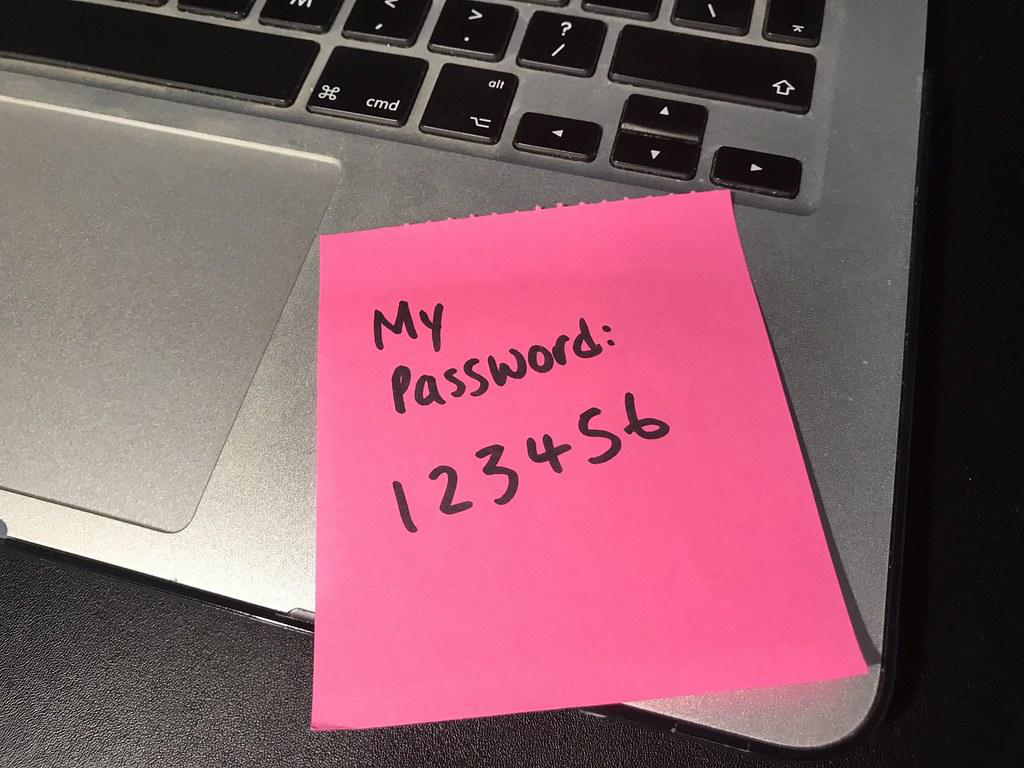
Passwords are the glue that holds our digital lives together. They're the only gateway between a blank Facebook login and thousands of memories, photos, and blurbs from our friends and family. Keeping them safe is vital to staying secure from a variety of crimes- many of which can affect your life offline.
Identity theft is a very real threat that can cripple you emotionally and financially. This can start with a hacked Facebook and in time, evolve into hacked bank accounts. All things considered, you can't afford not to secure your digital identity.
The 3 Most Common Ways Passwords are Stolen
Passwords are stolen through a variety of methods, but these 3 ways seem to be the most common.
1.Dictionary attacks. The power of AI and automation are creeping into our everyday lives and into the criminal underground. Dictionary attacks are a prime example. In this form of password theft, computers are used to generate random passwords and try to login to accounts. These types of digital threats are easy to execute on, especially when the majority of people still think ‘passwords123’ is a good password.
2.Data breaches. Many hackers who look to break into a database are doing so to sell the information on the dark web. Unfortunately, there are a lot of buyers (and almost as many hackers). Those who conduct data breaches are often looking to make a pretty penny on the information they’ve stolen.
3.Phishing. Instead of coming right out and asking you for your password, phishing can be used to trick you into giving it away. This doesn’t have to be in the classic form of the ‘Nigerian prince’ either. Many phishers will do so by deploying an app, calling you to inform you of security risks, and more. If you suspect that something is off about the person calling you to verify your bank account, hang up. Real companies and services will never ask you to share your personal information.
Best Practices for Password Security
Password security is an ongoing effort. There are no best practices that include a one time action. Here are a few tips to keep your passwords safe:
Use case sensitive passwords.
Now is not the time use ‘passwords123’, as a password. Your passwords should be dynamic and include:
- a capital letter
- a number
- a special character like ‘!’ or ‘@’
To add to this, the longer you make your password- the better. With more characters guess at, this lowers your risk of attackers taking the time to decode your password. They would rather move right on to the ‘password123’ users.
Update your passwords regularly.
One of the easiest ways to reduce the risk of compromising your online security is regularly updating your passwords. The simple logic to this best practice is that it's much easier to hack an account that’s had the same password for 5 years, rather than an account that has a password that updates every month.
Don’t write your passwords down.
As tempting as it may be, it’s not safe to write your passwords down either. If someone were to break into your home and steal those passwords, you’re in the same danger. If you absolutely must write them down, keep them in a lockbox that cannot be broken into.
Use a VPN
The best way to prevent passwords from being stolen through your ISP network? Using a VPN or Virtual Private Network. A VPN allows you to create a secure and secret connection to the internet. It’s easily one of the best ways to protect your passwords online.
Maintenance is a big part of password security, but it doesn't have to be time-consuming. Schedule a Google event or calendar event that reminds you to spend 10 minutes a month of these best practices.
Final thoughts: Make time for password security
Do not overlook the value of password security. Take the time to update your passwords regularly and use a VPN whenever possible. Even if you think the site you’re creating an account on isn’t a threat. In today’s digital world, criminals are finding new ways to leverage even a simple social media hack into a full-on threat to a person’s financial wellbeing every day. Don’t be one of their victims.
Have your accounts been hacked? What did you learn about password security? Share your story in the comments.
This article does not necessarily reflect the opinions of the editors or management of EconoTimes.







