


 U.S. Cybersecurity Pushes Faster Patch Deadlines Amid Rising AI-Driven Threats
  Novo Nordisk Raises 2026 Outlook on Strong Wegovy Demand
  BMW Keeps 2026 Outlook Despite 25% Profit Drop Amid Tariff Pressure
  Judge Delays SEC Settlement With Elon Musk Over Twitter Stock Disclosure Case
  BHP Attracts AI-Focused Investors as Copper Demand Surges
  Shell Q1 Profit Surges to Two-Year High as Dividend Rises Despite War-Driven Debt Pressure
  Lufthansa Q1 Loss Narrows as Strong Summer Travel Demand Boosts Outlook
  Infineon Raises 2026 Outlook as AI Data Center Chip Demand Surges
  AWS Data Center Overheating Disrupts Cloud Services in Northern Virginia
  U.S.-China AI Talks May Take Center Stage at Trump-Xi Summit
  Hua Hong Semiconductor Stock Surges to Multi-Year High Amid AI Boom
  Philips Reaffirms 2026 Outlook After Strong Q1 Sales and Margin Beat
  Trump Invites Top CEOs Including Nvidia, Apple, Boeing to China Summit With Xi Jinping
  Continental AG Shares Jump After Q1 Profit Beats Expectations
  Arm Stock Drops Despite Strong AI Chip Demand and Earnings Beat


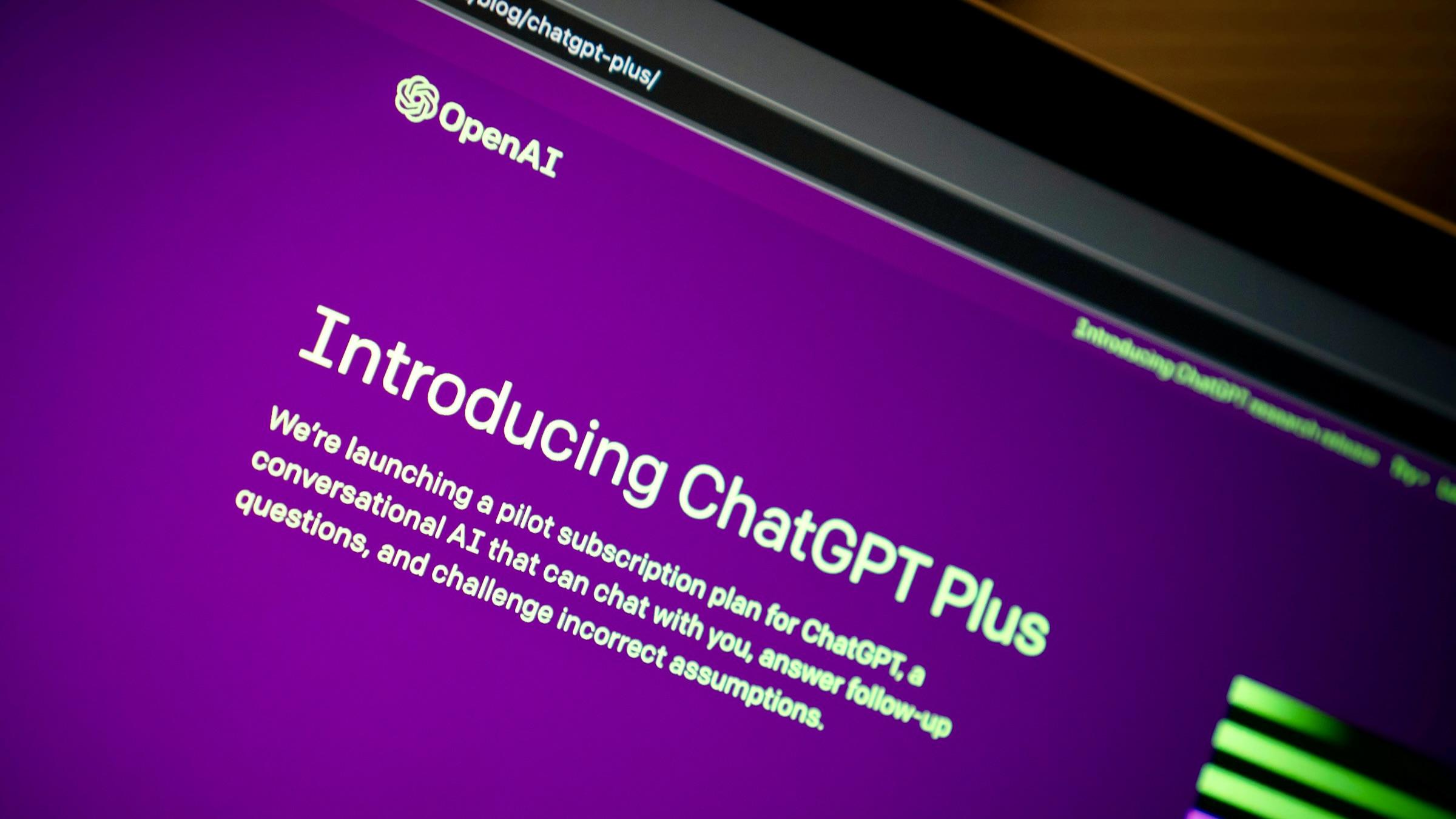
OpenAI has launched its o1 model, part of the innovative Strawberry project, designed to enhance reasoning in AI. The o1 model surpasses previous versions, outperforming human PhDs in math and science, and delivering remarkable results in programming tasks.
OpenAI Unveils o1 and o1-mini Models
On Thursday, OpenAI, which has backing from Microsoft, announced the release of its "Strawberry" line of artificial intelligence models. These models are built to spend more time processing query replies in order to tackle challenging challenges.
The models, which were first reported by Reuters, can answer more difficult issues in science, coding, and arithmetic than earlier models, according to the AI firm's blog post.
o1 and o1-mini Unveiled as Part of Strawberry Project
Inside the company, OpenAI referred to the project as Strawberry, while the models that were unveiled on Thursday were called o1 and o1-mini. The business said on Thursday that the o1 will be accessible through ChatGPT and its API.
One of OpenAI's researchers, Noam Brown, who worked on ways to improve the models' reasoning, verified in an X post that the models were identical to the Strawberry project.
The o1 model outperformed its predecessor, GPT-4o, by 83% on the International Mathematics Olympiad qualification test, according to OpenAI's blog post.
AI Model Surpasses PhDs in Science and Coding Competitions
The business also boasted that the model outperformed humans with PhD degrees on a standard set of scientific challenges and increased performance on competitive programming questions.
According to Brown, the models achieved these results by using a method called "chain-of-thought" reasoning. This method entails dividing complicated problems into smaller, more manageable parts.
AI Now Automatically Deconstructs Complex Problems
Scientists have shown that using the method as a prompting tactic helps artificial intelligence models perform better on complicated challenges. Thanks to OpenAI's automation, models can now deconstruct problems automatically without any input from the user.
"We trained these models to spend more time thinking through problems before they respond, much like a person would. Through training, they learn to refine their thinking process, try different strategies, and recognize their mistakes," as stated by OpenAI.







