


 Goldman Sachs Names Simon Lyons UK Investment Banking Co-Head
  BMW 2028 Margin Target Could Fall Below Consensus, UBS Says
  China Vanke Shares Jump as Beijing Moves to Ease Debt Pressure
  South Korea, US Discuss Warship Building Cooperation
  Meta Partners With Shopify to Bring Shop Pay Checkout to Muse AI
  Oil Prices Jump 3% as Houthi Attack Revives Supply Fears
  Oil Prices Surge as U.S.-Iran Diplomacy Hopes Fade
  European Stocks Fall as Bond Yields and Geopolitical Risks Weigh
  US, China Extend Trade Truce to Jan. 10 Ahead of Trump-Xi Summit
  Swimming in the sweet spot: how marine animals save energy on long journeys
  H&M Q3 Profit Beats Estimates as Margins Improve
  OpenAI Urges US-Led Global Standards for Frontier AI
  Microsoft Stock Upgraded as Stifel Sees Stronger Azure Growth
  Ukraine minerals deal: the idea that natural resource extraction can build peace has been around for decades
  SoftBank Raises $11.1 Billion in Bond Sale to Fund OpenAI Investment


 Add as a preferred source on Google
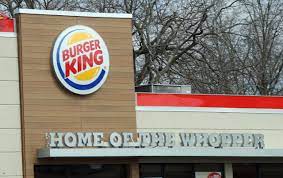
Only a handful of Burger King restaurants in New Jersey are taking the environmentally-friendly approach to food packaging under a program introduced in 2020.
The fast-food company recently partnered with global reuse platform Loop to limit the amount of waste created by Burger King’s traditional packaging, according to a press release.
New Jersey has over 200 Burger King locations, but it’s unknown whether others will introduce the reusable packaging.
The five participating New Jersey locations are Bayonne at 1088 Broadway, Clark at 118 Central Ave., East Brunswick at 1022 Route 18, Harrison at 751 Harrison Ave., Maplewood at 1833 Springfield Ave.
Customers at these five spots can purchase sandwiches, soft drinks, and coffee in reusable packaging.







