


 Nations will release an extra 400 million barrels of oil to the market. All we need to do now is not panic at the pump
  ANZ and Westpac Forecast Two RBA Rate Hikes in March and May 2026
  Oil Prices Surge Toward $100/Barrel After Tanker Attacks in Iraqi Waters
  Asian Currencies Face Pressure as U.S.-Iran Conflict Weighs on Markets
  UK Housing Market Slows Amid Geopolitical Tensions and Mortgage Rate Fears
  U.S. Markets Slip Amid Iran Conflict Uncertainty as Oil Prices Retreat
  German Exports Drop 2.3% in January, Exceeding Forecast Decline
  Trump Administration Launches Trade Investigations Against 16 Countries Over Industrial Overcapacity
  Gold Prices Slip as U.S.-Israel-Iran War Fuels Dollar and Oil Demand
  Iran-U.S. Oil Tensions Escalate as Revolutionary Guards Threaten Strait of Hormuz Blockade
  RBA Rate Decision: Deputy Governor Signals Genuine Debate Ahead of March Meeting
  Asia FX Steady as Iran War Signals and U.S. Inflation Data Weigh on Sentiment
  IEA Plans Record Emergency Oil Release Amid Iran Strait of Hormuz Crisis
  Dollar Steadies as Traders Await Clarity on U.S.-Israel-Iran War
  China's Trade Surplus Surges Past Forecasts in Early 2026
  Dollar Strengthens Amid Oil Price Surge and Inflation Fears


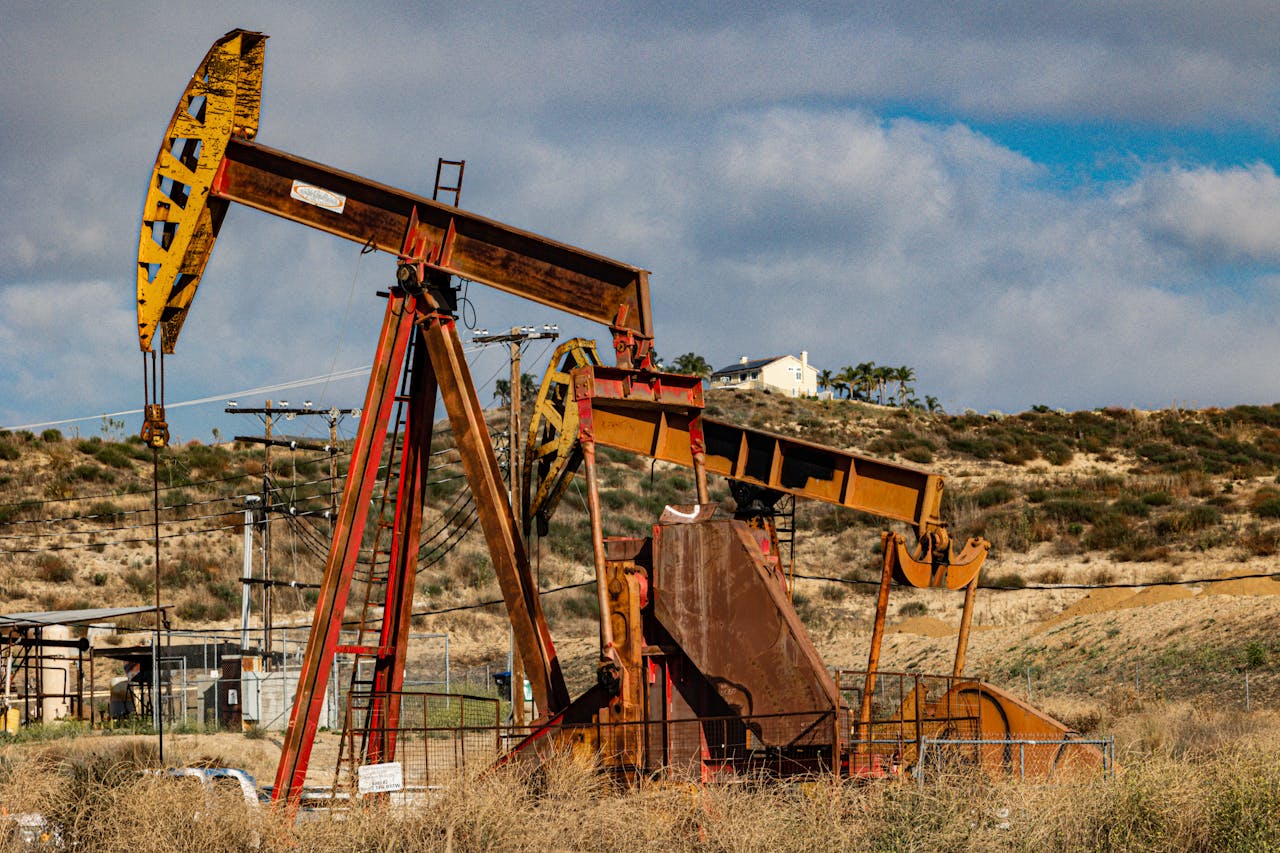
Oil prices were mostly steady during Asian trading on Friday, but both major benchmarks were still on track to record a second consecutive weekly decline as persistent concerns over a global supply glut continued to dominate market sentiment. Fears that supply will outpace demand well into the coming years have outweighed support from ongoing geopolitical risks, keeping crude prices under pressure.
As of late Asian hours, Brent crude futures for February delivery slipped around 0.2% to trade near $59.71 per barrel, while U.S. West Texas Intermediate crude edged down about 0.3% to $55.99 per barrel. For the week, both Brent and WTI were poised to post losses of nearly 2.5%, reflecting growing caution among traders amid signs of ample global oil supply and uncertain demand growth.
Market pressure has largely stemmed from expectations that global oil production will remain elevated into 2026. Rising output from non-OPEC producers, combined with relatively muted consumption growth in major economies, has kept global inventories well supplied. At the same time, the Organization of the Petroleum Exporting Countries and its allies have continued to gradually increase output as they roll back earlier voluntary production cuts, adding more barrels to an already saturated market.
Weak demand signals from China have further weighed on oil prices. As the world’s largest crude importer, China has shown slower momentum in industrial activity and consumer spending, limiting growth in fuel consumption. Recent data indicating comfortable crude and refined fuel stockpiles in the United States and parts of Asia have reinforced the view that the market remains well cushioned against near-term supply disruptions.
Despite these bearish factors, traders continue to closely monitor geopolitical developments that could affect supply. Potential additional U.S. sanctions on Russia’s energy sector remain a key risk, particularly if diplomatic efforts related to the Ukraine conflict fail. Any restrictions on Russian crude exports or shipping could tighten global supply, although the scale and timing of such measures remain uncertain. Meanwhile, concerns over Venezuelan oil exports persist following stricter U.S. enforcement actions, with fears that further disruptions could limit the country’s ability to ship crude to global markets.













