


 Lee Seung-heon Signals Caution on Rate Hikes, Supports Higher Property Taxes to Cool Korea’s Housing Market
  Asian Markets Surge as Japan Election, Fed Rate Cut Bets, and Tech Rally Lift Global Sentiment
  Japan Economy Poised for Q4 2025 Growth as Investment and Consumption Hold Firm
  Japanese Pharmaceutical Stocks Slide as TrumpRx.gov Launch Sparks Market Concerns
  Gold and Silver Prices Climb in Asian Trade as Markets Eye Key U.S. Economic Data
  South Africa Eyes ECB Repo Lines as Inflation Eases and Rate Cuts Loom
  Trump Lifts 25% Tariff on Indian Goods in Strategic U.S.–India Trade and Energy Deal
  Dollar Near Two-Week High as Stock Rout, AI Concerns and Global Events Drive Market Volatility
  Dow Hits 50,000 as U.S. Stocks Stage Strong Rebound Amid AI Volatility
  UK Starting Salaries See Strongest Growth in 18 Months as Hiring Sentiment Improves
  Global Markets Slide as AI, Crypto, and Precious Metals Face Heightened Volatility
  China Extends Gold Buying Streak as Reserves Surge Despite Volatile Prices
  Nikkei 225 Hits Record High Above 56,000 After Japan Election Boosts Market Confidence
  Trump Signs Executive Order Threatening 25% Tariffs on Countries Trading With Iran
  Australian Pension Funds Boost Currency Hedging as Aussie Dollar Strengthens
  Oil Prices Slip as U.S.-Iran Talks Ease Middle East Tensions
  Asian Stocks Slip as Tech Rout Deepens, Japan Steadies Ahead of Election


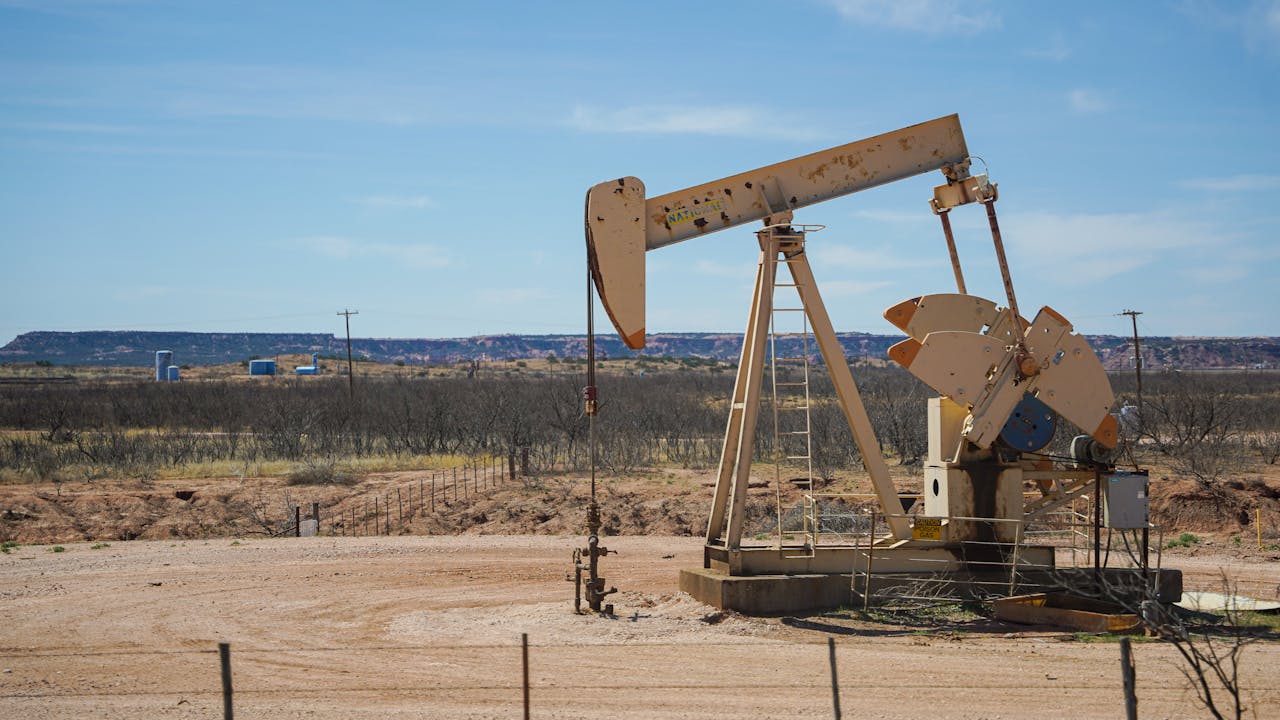
Oil prices were mostly steady during Asian trading on Friday, following a sharp selloff in the previous session that erased most of the gains recorded earlier in the week. The stabilization in crude markets came as geopolitical tensions eased after U.S. President Donald Trump downplayed the likelihood of military action against Iran, reducing fears of supply disruptions from the Middle East.
Brent crude futures for March delivery edged up around 0.2% to trade near $63.86 per barrel, while West Texas Intermediate (WTI) crude futures gained approximately 0.3% to around $59.35 per barrel. Despite these modest gains, both benchmark oil prices remained on track to end the week largely flat after plunging more than 4% in the prior session.
Oil prices had previously surged to multi-month highs earlier in the week amid widespread anti-government protests in Iran, one of the largest oil producers within OPEC. Markets feared that escalating unrest could disrupt Iranian crude exports, tightening global oil supply. These concerns were further intensified after Trump issued strong warnings regarding the use of force against protesters, which traders interpreted as increasing the risk of U.S. military intervention.
However, sentiment shifted on Thursday when Trump clarified that the United States was not planning any immediate military action against Iran. His comments helped deflate the geopolitical risk premium that had been priced into oil markets, triggering a sharp correction in crude prices as investors reassessed supply risks.
Additional pressure on oil prices came from developments in Venezuela. The U.S. administration has signaled a softer stance toward the country, supporting its continued participation in OPEC and allowing Venezuelan oil exports to resume more fully. According to a Reuters report, Venezuela’s state-owned oil company PDVSA has begun rolling back production cuts imposed during a strict U.S. embargo, with exports restarting under U.S. oversight. Shipments had previously fallen to near zero, leaving Chevron as the only exporter operating under a special license.
Any increase in Venezuelan oil supply would add to an already well-supplied global market. This concern was reinforced by recent U.S. inventory data showing higher crude oil and fuel stockpiles, further weighing on oil prices and highlighting ongoing oversupply pressures.













