


 RBA Set for Back-to-Back Rate Hikes, Westpac Forecasts
  Oil Prices Surge Toward $100/Barrel After Tanker Attacks in Iraqi Waters
  Asian Stock Markets Rise as Oil Prices Pull Back; U.S. CPI in Focus
  Asia FX Steady as Iran War Signals and U.S. Inflation Data Weigh on Sentiment
  U.S. Futures Slide as Oil Prices Surge on Middle East Shipping Attacks
  Diesel Price Surge Threatens Global Economy Amid Middle East Conflict
  Asian Markets Retreat as Oil Prices Surge Toward $100 Amid Middle East Tensions
  Chinese AI Stocks Surge as Tencent, MiniMax, and Zhipu Launch Agentic AI Programs
  Gold Prices Climb Above $5,200 as Iran War Uncertainty and Inflation Data Loom
  Bank of Japan Expected to Hold Rates at 0.75% Before June Hike Amid Middle East War Uncertainty
  IEA Plans Record Emergency Oil Release Amid Iran Strait of Hormuz Crisis
  Iran-U.S. Oil Tensions Escalate as Revolutionary Guards Threaten Strait of Hormuz Blockade
  Asian Currencies Face Pressure as U.S.-Iran Conflict Weighs on Markets
  Nations will release an extra 400 million barrels of oil to the market. All we need to do now is not panic at the pump
  IEA Releases Record 400 Million Barrels of Oil Amid U.S.-Iran War
  Dollar Strengthens Amid Oil Price Surge and Inflation Fears


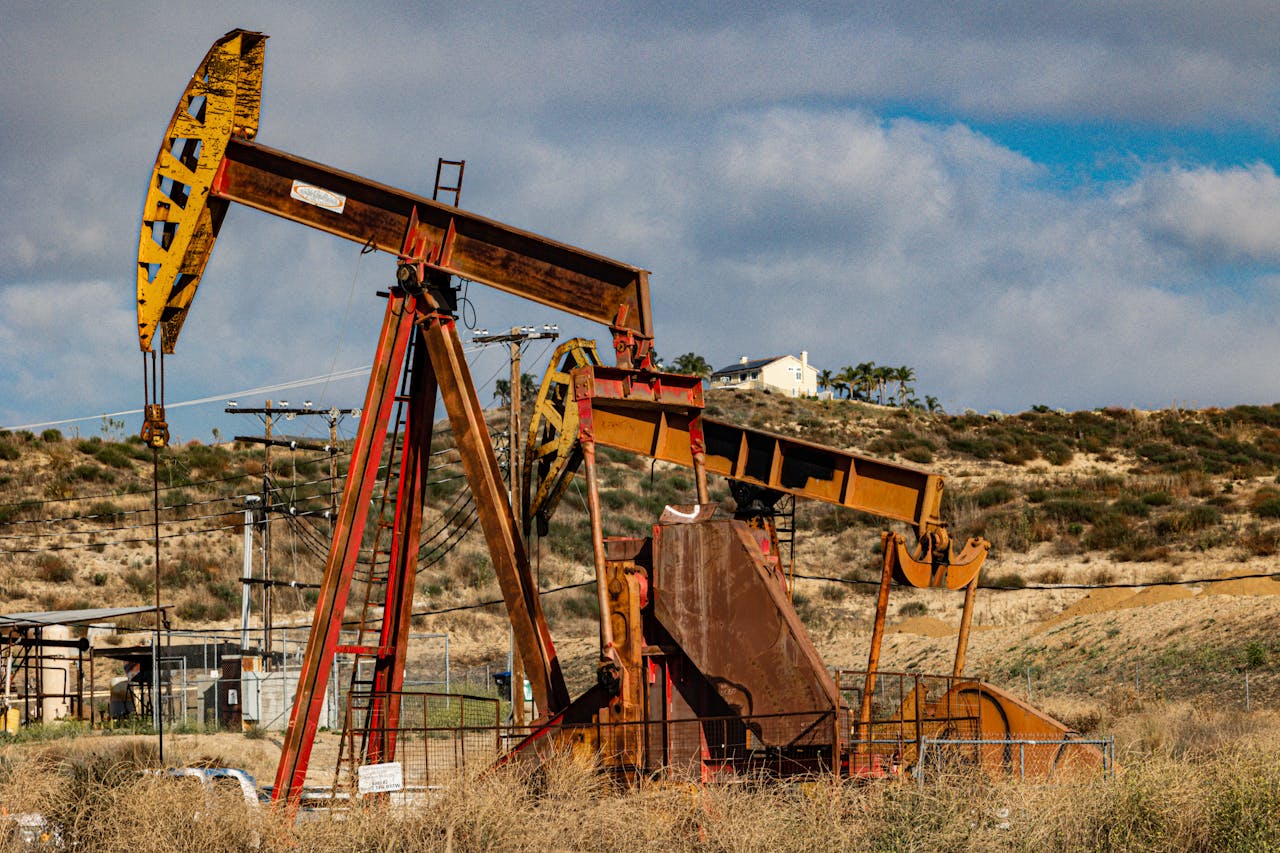
Oil prices were largely steady during Asian trading on Monday, reflecting a cautious market mood after significant volatility last week driven by geopolitical and trade-related developments. Brent crude futures for March hovered around $64.10 per barrel, showing little change, while U.S. West Texas Intermediate (WTI) crude was not traded due to a public holiday in the United States. Despite subdued movement at the start of the week, crude prices ended last week higher overall after sharp fluctuations tied to Middle East supply concerns and shifting political signals.
Earlier gains in oil prices were fueled by fears that unrest in Iran could disrupt crude supplies from the Middle East, a region responsible for a substantial portion of global oil production. These concerns pushed prices higher as traders priced in potential supply risks. However, the rally lost momentum after U.S. President Donald Trump indicated that there would be no immediate military intervention involving Iran. His comments helped calm markets, leading to a pullback in crude prices before they stabilized toward the end of the week.
Investor attention has now shifted toward escalating trade tensions between the United States and Europe. Trump announced plans to impose tariffs on eight European countries that have opposed his proposal for the U.S. to acquire Greenland. Major economies such as France, Germany, and the United Kingdom are among those targeted, along with several Nordic and northern European nations. According to Trump, a 10% tariff is set to take effect on February 1, potentially rising to 25% by June if negotiations fail, raising concerns about a broader transatlantic trade conflict.
Reports suggest the European Union is preparing retaliatory measures, including halting a proposed EU-U.S. trade agreement and reviving tariffs on approximately 93 billion euros worth of American goods. French officials have also urged the EU to consider deploying its anti-coercion instrument, a move that could significantly escalate trade tensions.
Market participants are closely watching these developments, especially as global leaders convene at the World Economic Forum in Davos. Analysts note that ongoing uncertainty, combined with expectations of potential U.S. interest rate cuts later this year, could influence oil demand by easing financial conditions and supporting economic growth.













