


 U.S. Stock Futures Steady as Iran Reviews U.S. Ceasefire Proposal
  U.S. Dollar Weakens as Trump Signals Iran Deal Possibility
  Bank of Japan Officials Signal Continued Interest Rate Hikes Amid Inflation Concerns
  Oil Prices Plunge Over 6% as Middle East Ceasefire Hopes Ease Supply Fears
  Asian Markets Rally as Oil Prices Tumble and Middle East Peace Hopes Emerge
  WTO Reform Talks Begin in Cameroon Amid Global Trade Tensions
  Japan's Private Sector Growth Slows in March Amid Rising Costs and Middle East Uncertainty
  Australia-EU Free Trade Deal Signed After Years of Negotiations
  Oil Prices Climb as Iran Reviews U.S. Peace Proposal Amid Middle East Tensions
  Australia's Inflation Eases in February but Core Pressures Persist
  Asian Currencies Weaken as Dollar Rebounds Amid Middle East Uncertainty and Japan Inflation Data
  Oil Prices Rebound as Iran Denies U.S. Talks, Middle East Tensions Persist
  U.S. Futures Slide as Iran Denies Nuclear Talks with Washington
  UK Consumer Confidence Weakens Amid Middle East Conflict and Rising Living Costs
  Middle East War Rattles Global Markets as Oil Tops $100 and Dollar Surges
  Bank of Japan Eyes April Rate Hike Despite Inflation Dip, ING Says


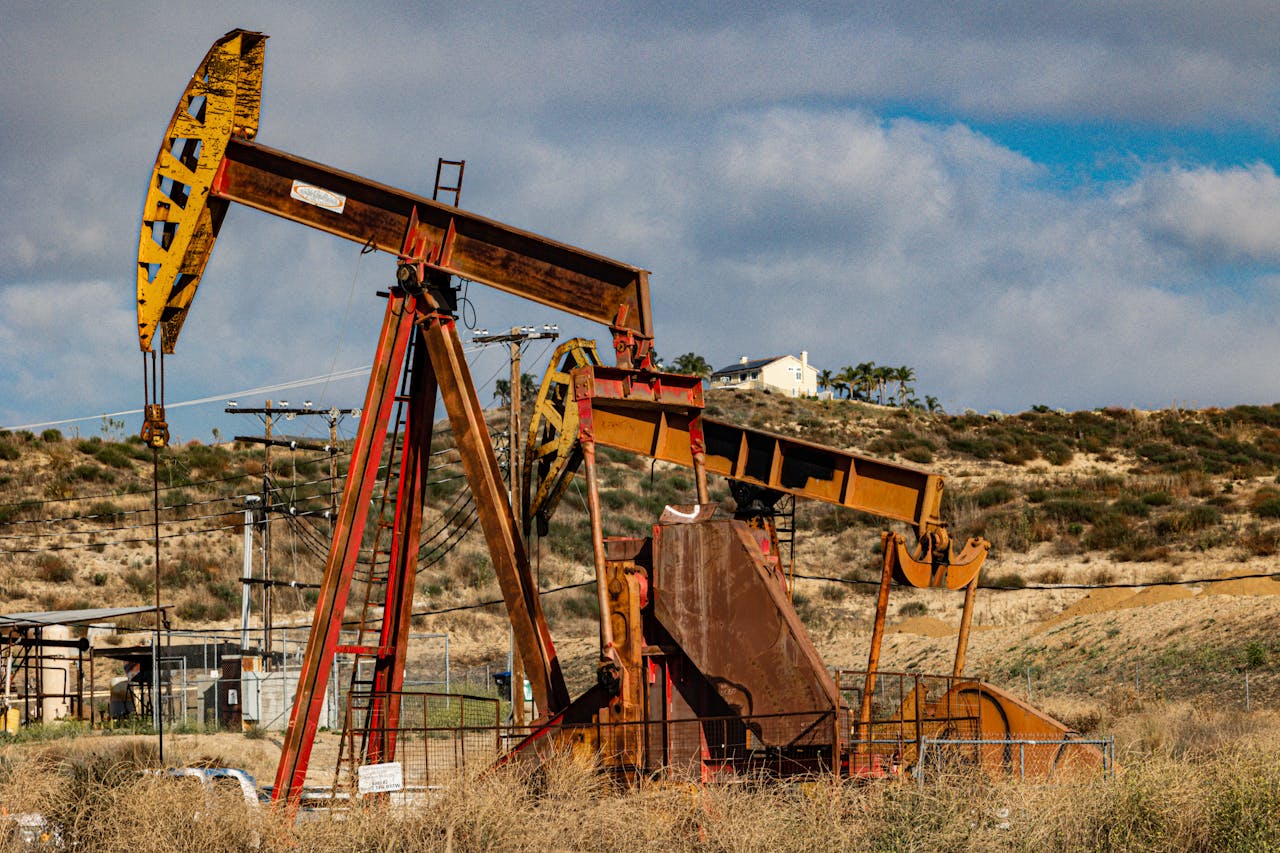
Oil prices held steady in Asian trading on Tuesday as investors weighed the impact of OPEC+’s latest production decision. Brent crude futures for January slipped 0.2% to $64.77 per barrel, while West Texas Intermediate (WTI) crude fell 0.2% to $60.95 per barrel at 01:46 GMT. The slight decline followed a volatile start to the week as markets balanced concerns of oversupply against risks of tighter flows from Russia due to U.S. sanctions.
OPEC+ announced on Monday a modest production increase of 137,000 barrels per day (bpd) for December, marking the final phase of its gradual rollback of earlier supply cuts. However, the group stated it would pause further output hikes through the first quarter of 2026, citing “uncertain demand trends” and “seasonal softness.” Analysts at ING noted that the market is expected to experience a peak surplus in early 2026, making the decision to pause production hikes “a logical step.” They added that any disruption to Russian exports caused by sanctions could offset the expected surplus, potentially prompting OPEC+ to revisit its production strategy early next year.
On the demand side, weaker U.S. economic data reinforced concerns about slowing fuel consumption. The Institute for Supply Management (ISM) reported that the U.S. manufacturing PMI dropped to 48.7 in October—its eighth consecutive month in contraction territory—indicating persistent weakness in industrial activity. Traders are now awaiting the latest crude inventory data from the American Petroleum Institute (API) for further insight into short-term market direction.
Overall, the oil market remains caught between conflicting signals—rising supply capacity and softening demand—keeping prices in a narrow range as investors assess how geopolitical and economic developments will shape global energy trends.













