


 Oil Prices Surge Toward $100/Barrel After Tanker Attacks in Iraqi Waters
  Asian Markets Retreat as Oil Prices Surge Toward $100 Amid Middle East Tensions
  Dollar Stabilizes Amid Iran War Uncertainty as Oil Prices Remain Elevated
  German Exports Drop 2.3% in January, Exceeding Forecast Decline
  IEA Releases Record 400 Million Barrels of Oil Amid U.S.-Iran War
  RBA Set for Back-to-Back Rate Hikes, Westpac Forecasts
  UK Housing Market Slows Amid Geopolitical Tensions and Mortgage Rate Fears
  Bank of Japan Expected to Hold Rates at 0.75% Before June Hike Amid Middle East War Uncertainty
  Asia FX Steady as Iran War Signals and U.S. Inflation Data Weigh on Sentiment
  Dollar Steadies as Traders Await Clarity on U.S.-Israel-Iran War
  Diesel Price Surge Threatens Global Economy Amid Middle East Conflict
  IEA Plans Record Emergency Oil Release Amid Iran Strait of Hormuz Crisis
  Dollar Strengthens Amid Oil Price Surge and Inflation Fears
  ANZ and Westpac Forecast Two RBA Rate Hikes in March and May 2026
  Gold Prices Slip as U.S.-Israel-Iran War Fuels Dollar and Oil Demand
  Trump Administration Launches Trade Investigations Against 16 Countries Over Industrial Overcapacity


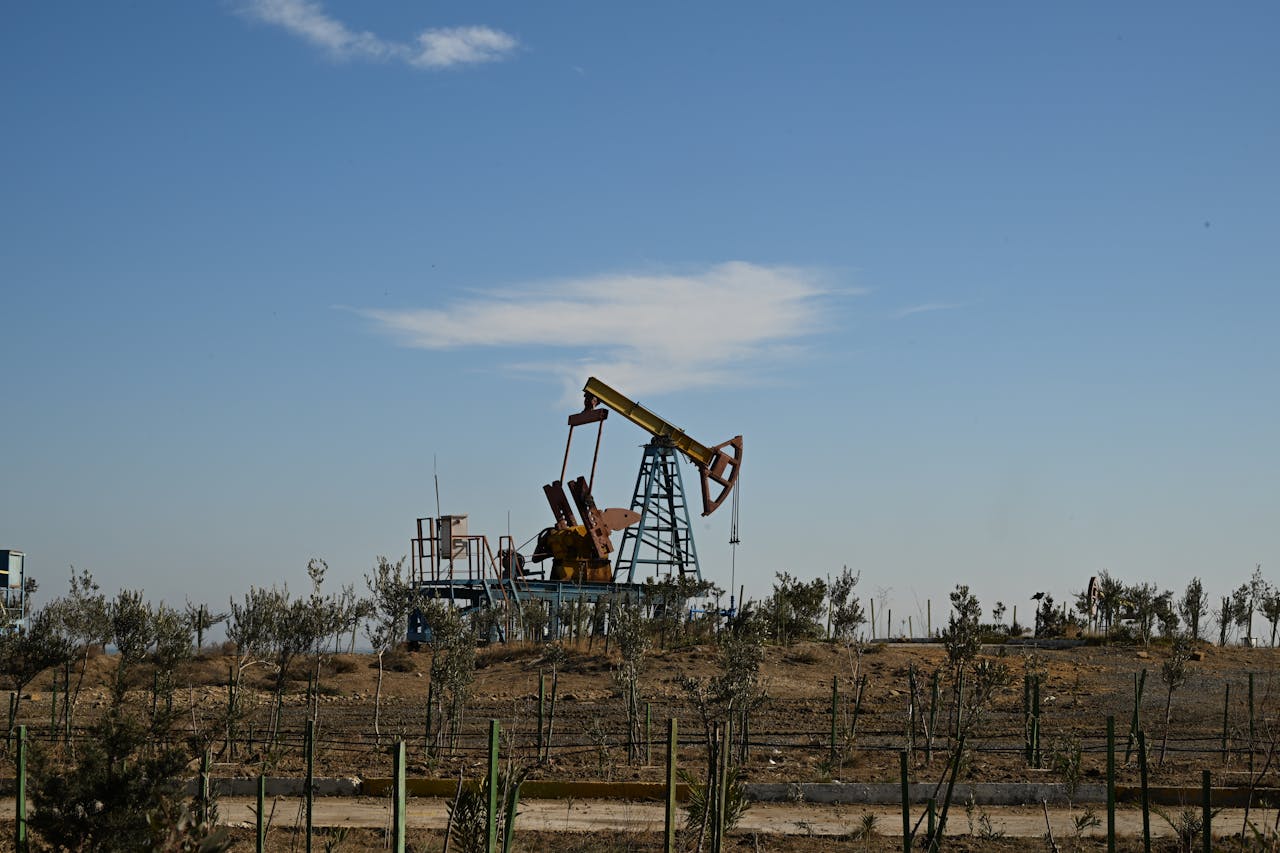
Oil prices were largely unchanged on Monday as easing geopolitical tensions in Iran reduced immediate supply disruption risks, while investors shifted their focus to a growing diplomatic standoff involving the United States, Europe, and Greenland. Crude markets showed limited movement amid thin trading volumes due to a U.S. federal holiday, keeping price action muted.
Brent crude futures edged up by just one cent, or 0.02%, to trade at $64.14 per barrel, while U.S. West Texas Intermediate (WTI) crude for February delivery held steady at $59.44 per barrel. Market participants appeared cautious, weighing a mix of geopolitical, economic, and weather-related factors that could influence global oil demand and supply in the coming months.
Concerns over Iran had previously supported oil prices, as violent unrest and speculation about possible U.S. military intervention raised fears of supply disruptions from the major oil producer. However, those worries have subsided after Iran’s government quelled protests that reportedly resulted in thousands of deaths. At the same time, U.S. President Donald Trump appeared to retreat from earlier threats of intervention, easing immediate market anxiety.
With Iran-related risks fading, attention has turned to rising tensions over Greenland. President Trump has intensified calls for U.S. control over Greenland, currently governed by Denmark, and has threatened tariffs against countries opposing the move. This has prompted the European Union to consider retaliatory measures, raising concerns about a broader U.S.-Europe trade conflict. EU leaders are expected to discuss the issue at an emergency summit in Brussels later this week.
Although Greenland does not produce oil, analysts note that escalating trade tensions could dampen global economic growth and reduce oil demand. This risk-off sentiment was reflected in global equity market declines and a weaker U.S. dollar against traditional safe-haven currencies such as the yen and Swiss franc.
Additional factors influencing oil prices include concerns over potential damage to Russian energy infrastructure, tighter distillate supplies amid colder weather forecasts in North America and Europe, and increased Venezuelan crude flows to the U.S. Gulf Coast. Looking ahead, stronger global growth forecasts for 2026 from the International Monetary Fund could support oil demand, leaving crude prices range-bound as bullish and bearish forces balance out.













